Codex with GPT-5.6 Sol Ultra builds richer game, ships with bug
Simon Willison ran the same one-shot game-building prompt through Codex Desktop using GPT-5.6 Sol Ultra that he had previously given Claude Fable 5, and the result was a more complex game - though it arrived with a prominent rendering bug that required two follow-up prompts to fix.
👁 115 reads
Simon Willison ran the same one-shot game-building prompt through Codex Desktop using GPT-5.6 Sol Ultra on 7 August 2026 that he had previously given Claude Fable 5, and the model produced what he describes as a noticeably better game - though it shipped with a visible rendering bug that the agent failed to catch on its own.
- GPT-5.6 Sol Ultra produced a multi-character museum heist game in 52 minutes, judged more faithful to the original prompt than Claude Fable 5's single-raccoon version
- The one-shot output contained a bug where each raccoon had an oversized black sphere floating above its head, which Codex failed to catch despite reviewing screenshots during development
- Two plain-English follow-up prompts were enough to identify and fix the bug; the full session transcript and generated textures are published in the GitHub repository
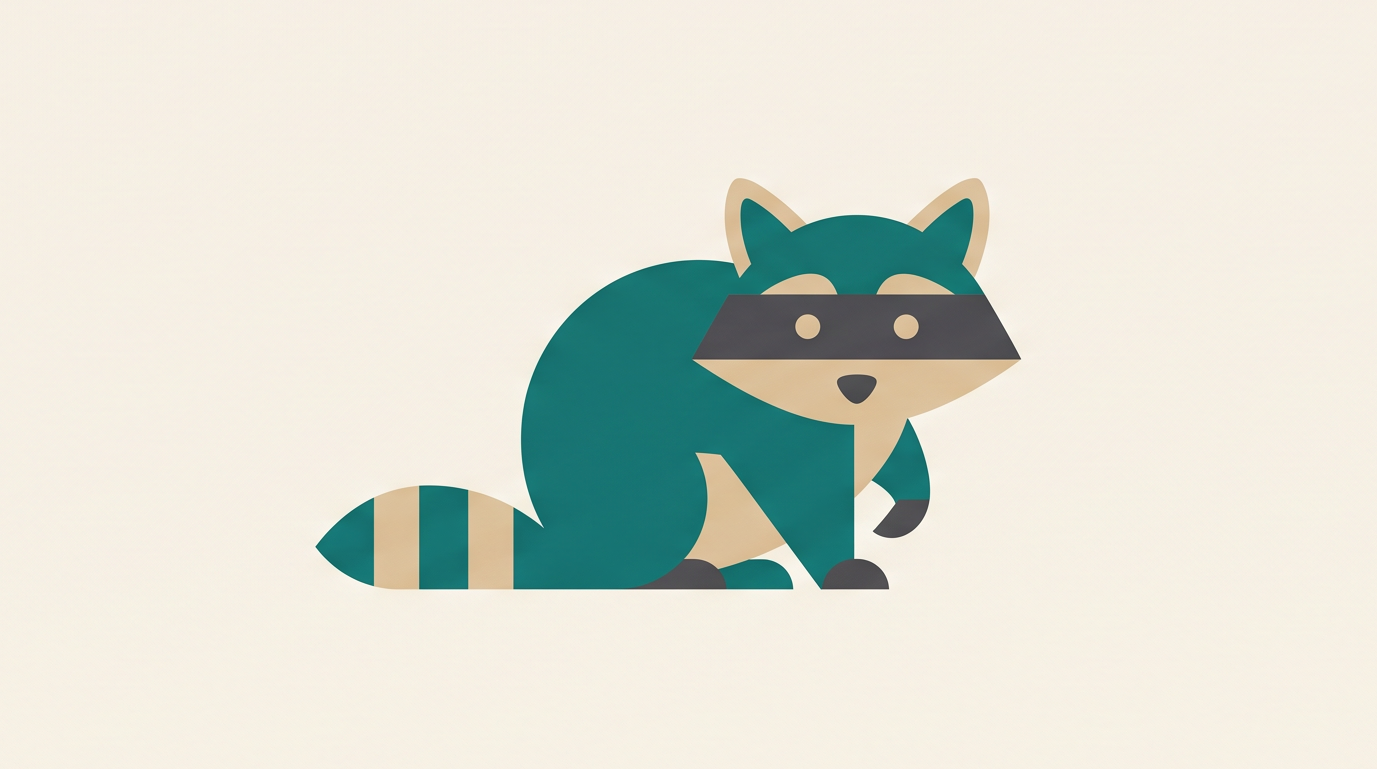
The original premise, generated with GPT-3 and DALL-E four years ago, described a team of raccoons pulling off a series of daring heists. Claude Fable 5 had interpreted that as a single raccoon collecting coins and fish in a back yard. GPT-5.6 Sol Ultra, running in the mode where Sol makes aggressive use of sub-agents, produced a museum scenario in which the player rescues two raccoon crewmates, stacks them together, and breaks a golden sardine out of its display case - much closer to the multi-character heist concept in the source material.
The session ran for 52 minutes. An AgentsView cost estimate for the work at full API prices was included in Willison’s post, though he used a monthly Codex subscription rather than paying per token. All assets - including textures and image prompts generated via gpt-image-2 - are published in the GitHub repository along with the full Codex transcript.
Despite reviewing screenshots during development, Codex did not catch a bug that gave every raccoon an eyeball enlarged to the size of a giant sphere floating above its head. Willison corrected it with two blunt prompts: first asking why the raccoons had huge black spheres on them, then simply saying “Fix it.”
For practitioners, the episode illustrates a recurring pattern with autonomous coding agents: the first pass can clear a high creative bar while still missing obvious visual or functional errors that a human reviewer would catch immediately. Keeping a human in the loop for a quick screenshot review - rather than relying on the agent’s self-review - would have caught the sphere bug before delivery. The two-prompt fix also confirms that plain, descriptive language remains the fastest path to correcting agent output when something goes wrong.
Google · Your sourcesQuantslant higher in your Google - one clickAdd to preferred sources →


More on this from QUANTSLANT


 news·DeepMind’s WeatherNext Gives Hurricane Forecasters Extra Day