Fable 5.1 vs Mythos 5.1: One Model, Two Rule Sets
Anthropic's Fable 5.1 launch isn't about performance - it's about access control. The same model now ships in two versions with different restrictions.
Update (9 Nov 2026): Claude Fable 5.2 and Mythos 5.2 are out - prices, access and benchmarks are in my Claude Fable 5.2 guide.
👁 122 reads
The least exciting thing about the Fable 5.1 launch is its performance. Prices stayed the same, the context window didn’t change, and independent benchmarks aren’t available yet. What’s truly interesting is a decision you could easily miss in the press release: the same model is launching simultaneously in two versions, and the only difference is the list of things it won’t do.
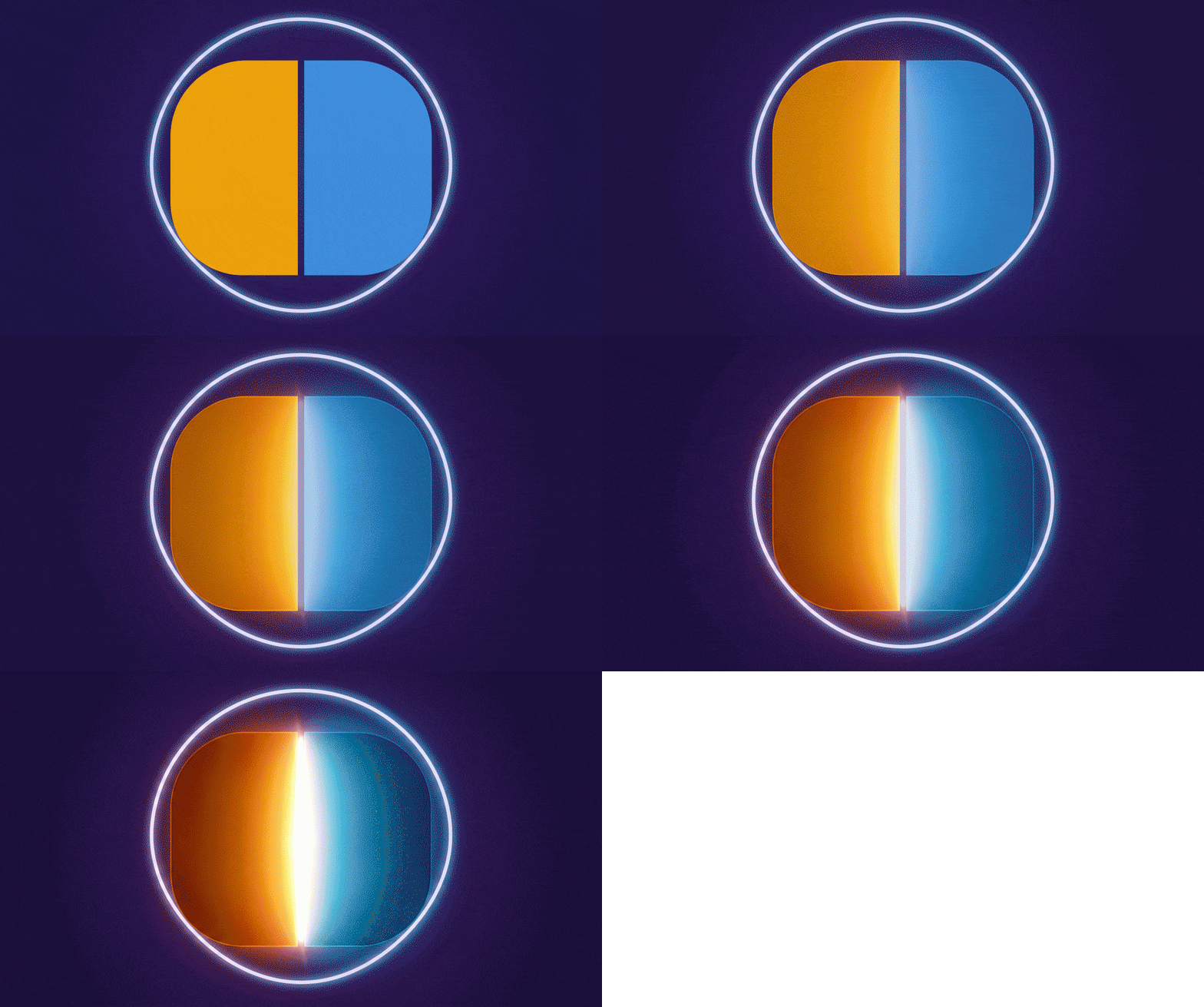
Fable 5.1 is available to anyone who pays. Mythos 5.1 is only available to verified users working in cybersecurity and life sciences. Under the hood, according to the company, it’s the same machine. Only the threshold at which it says “no” changes.
Why Anthropic Split the Model Release
To understand this decision, you need to go back to June. Fable 5 and Mythos 5 launched on June 9th. Shortly after, researchers demonstrated that the cybersecurity safeguards could be bypassed. The response was unprecedented: the U.S. Department of Commerce ordered access to these models cut off for people outside the United States. Anthropic disabled them worldwide. They returned after 19 days, on June 30th.
Nineteen days is an eternity in this industry. For companies that had built their processes around these models, it was a very expensive bill for someone else’s regulatory decision. And that’s the context in which you need to read today’s launch.
A Problem One Filter Can’t Solve
A model with one set of rules for everyone faces an impossible task. A question about how a specific software vulnerability works is asked both by someone patching a corporate system and by someone who wants to break into it. The content of the question is identical. The only difference is who’s asking and why, and you can’t determine that from the text alone.
The industry’s answer until now has been: filter more cautiously. This solution has two flaws, and both are painful. First, a cautious filter refuses people who have every right to get an answer, which is why security specialists have long complained that models are useless to them. Second, it doesn’t work, as June demonstrated clearly.
Splitting into two versions moves the decision from the content level to the recipient level. Instead of guessing intent from the question, you verify who’s asking and give them either the more cautious or more permissive variant based on that. Anthropic states that they’ve also improved the filter itself, reducing false alarms by 60 percent, and the boundary now runs between finding a vulnerability and building a tool to exploit it.
This Isn’t Just About Anthropic
The direction is worth noting, because it’s likely where the entire industry will go. Until now, model providers sold one product to everyone and differentiated it by price and speed. Now they’re starting to differentiate it by permissions, exactly as software producers in other regulated areas have done for decades.
For users outside the U.S., this has two practical consequences. First: if you work in security or biotechnology and a model has been refusing to answer reasonable professional questions, a path has just opened to get the version without that limitation - though it involves identity verification and purpose validation. Second, less pleasant: access to the most powerful tools is starting to depend on where you live and whether you can pass through a trusted user procedure. The June blockade showed that geography can shut down a tool overnight, regardless of how much you’re paying for it.
Google · Your sourcesQuantslant higher in your Google - one clickAdd to preferred sources →What You Should Do About This
The conclusion we drew from June, and which is only stronger after today’s launch: it’s not worth building your process around a single model provider, no matter how good they are. This isn’t even about outages, because those happen to everyone. It’s about the fact that model availability has ceased to be purely a technical decision by the company that built it.
In practice, this means three things. Keep the ability in your code to switch models with a single setting, without rewriting half your application. Test the backup regularly, not just on the day of an outage. And calculate how much the same work costs on a second-tier model, because on the day the first one becomes unavailable, you’ll need that number immediately.
Separating Fable and Mythos is a reasonable response to a real problem and better than shutting everything down for everyone. But it’s also a reminder that the tool you’re using now has not just pricing and limits, but also access conditions that can change without your input.

More on this from QUANTSLANT



 ai tools·Claude Fable 5.1: Pricing, Features & Review (2026)Claude Fable 5.1 costs $10/$50 per million tokens with a 1M context window. We tested it in Polish to see if it's worth twice the price of Opus 5.