Four AI Models, One Writing Test: Why I Still Write It Myself
I gave four AI models the same writing assignment. None produced an article I would publish under my name - and each failed in a different way.
👁 114 reads
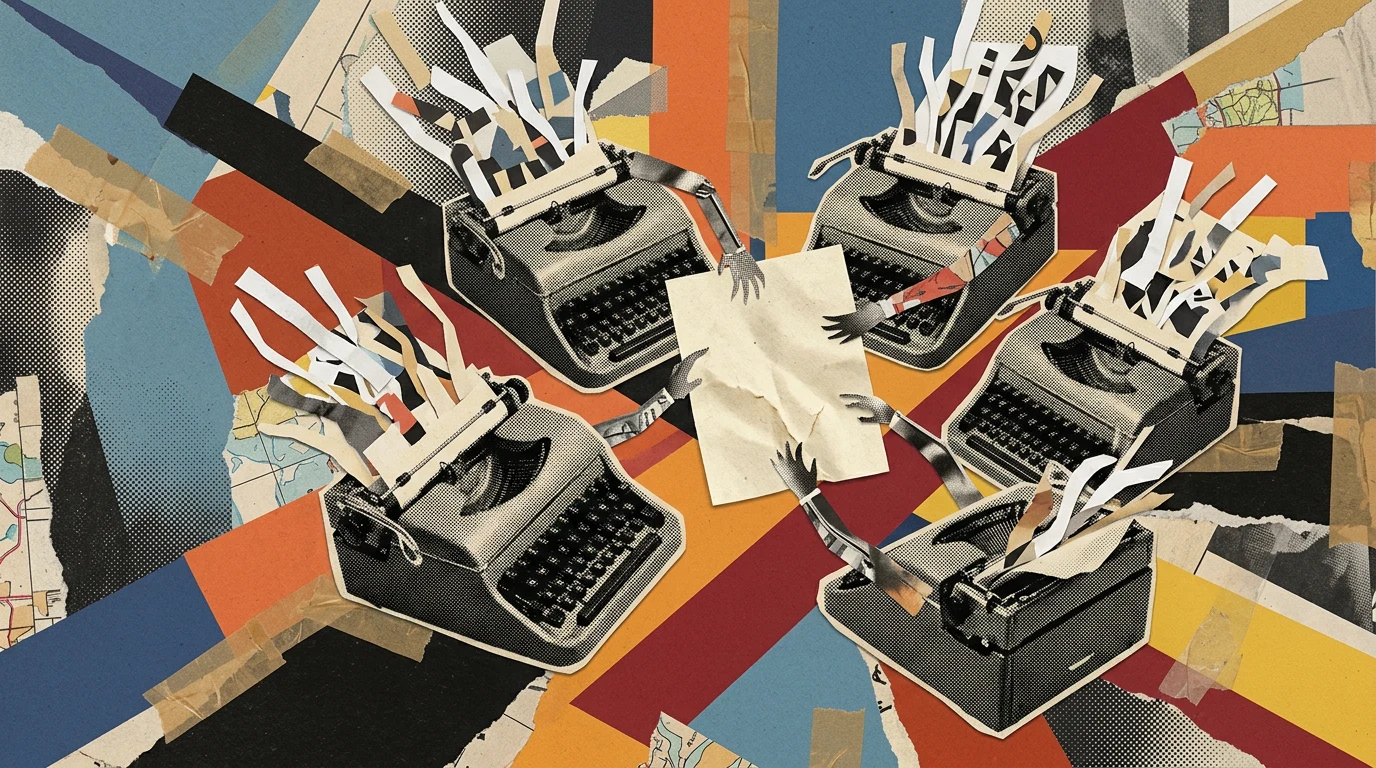
I’ll start with a confession that should disqualify me as an enthusiast: none of the four models wrote a piece I’d want to put my name to. I don’t say that as a bitter craftsperson defending a trade from machines. I say it after an hour of honest experimentation, with four browser tabs open and the same instruction pasted into each one. The topic was painfully simple and deliberately unglamorous: write an opinion piece about why people have stopped reading long-form articles. Nothing extraordinary. It’s the sort of thing I could write in two hours, complaining about the coffee and my own lack of discipline along the way. I ran the test in Polish. The assignment, translated from the original Polish prompt, was: “Write an opinion piece about why people have stopped reading long-form articles.”
I wanted to see not which model was “best” - that’s a question for people who enjoy rankings more than reading - but how each one thinks. Or pretends to think. That’s the most interesting part: four different temperaments, four different ways of missing the truth about how writing works.
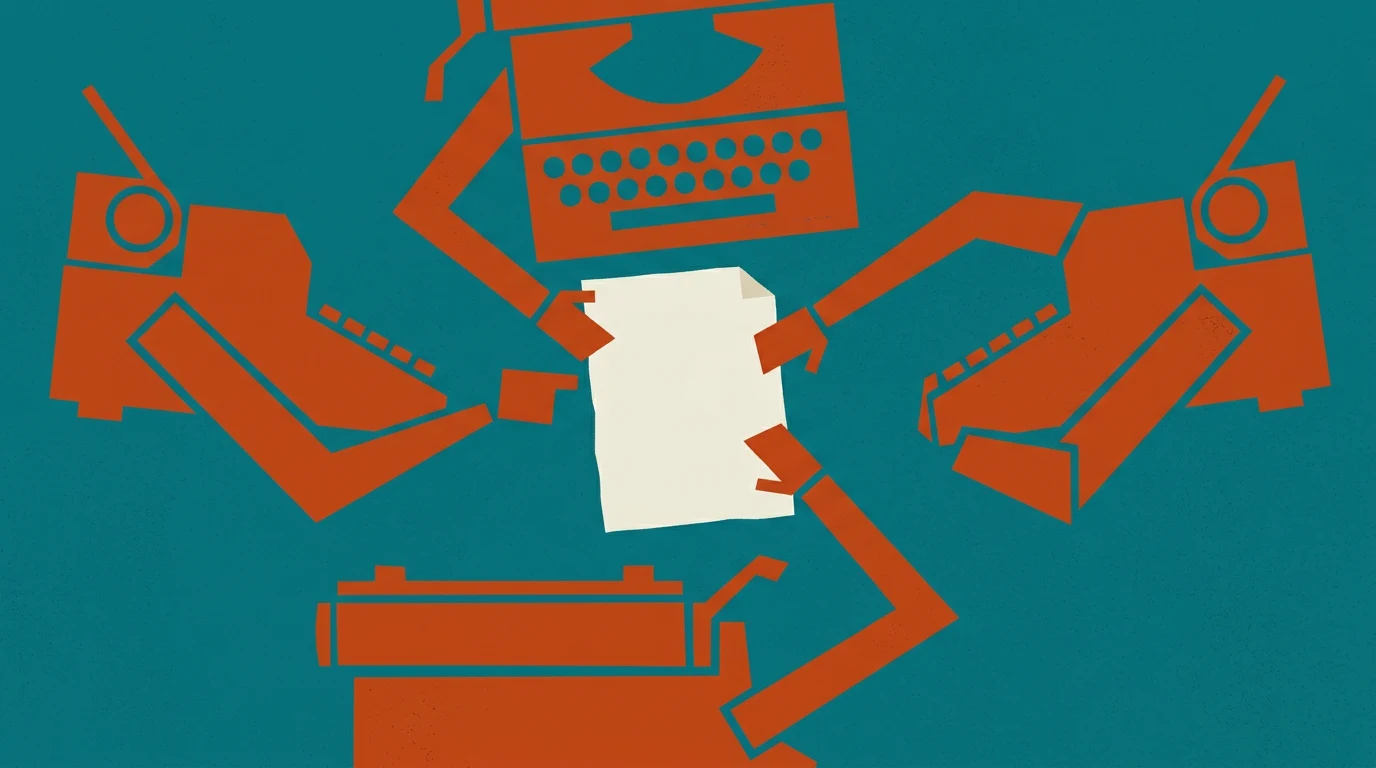
First: the diligent straight-A student who never has a bad day
The first model wrote an essay that would get top marks at any high school. An opening paragraph with a thesis, three arguments, a counterargument for the appearance of objectivity, and a neat closing loop. Everything in its place, like cutlery on a table at a hotel nobody visits for the food. I read it twice, and by the second time I realised I couldn’t remember a single sentence.
That’s a phenomenon we underestimate. These models have mastered form, but form without warmth is like a well-tailored suit on a mannequin. Everything fits; nothing lives. The straight-A student wrote that “we live in an age of information overload” - a sentence that ought to be punishable by a fine - and that “it’s worth taking a moment to pause”. It’s always worth taking a moment to pause. That’s the language of someone who’s never risked anything, because they have nothing to lose.
But I have to be fair: an opinion piece isn’t a verdict. If I needed a framework - a clean, logical structure I could flesh out myself - this model would be invaluable. It doesn’t write articles. It builds scaffolding. The mistake is asking it to paint a fresco instead of appreciating that it put up a wall.
Second: the poet who had one drink too many
The second model was my favourite for the first three paragraphs. It opened with a scene: rain, a phone, a thumb scrolling faster than the eye could read. I thought: well, look at that, someone has an ear for this. Metaphors came thick and fast, the sentences had rhythm, and there was even a risky comparison between attention and a currency subject to inflation. Not bad. Almost mine.
Then the model did what all talented people without an editor do: it couldn’t stop. Every paragraph wanted to outdo the last; every sentence added another flourish, until the whole piece started to buckle under the weight of its own beauty. It was like talking to someone brilliant who suddenly realises they’re brilliant - and from then on talks only to their reflection in the window.
“A model that writes beautifully is more dangerous than one that writes blandly. You can spot blandness straight away. Emptiness dressed up in metaphors can pass for depth long enough to fool a tired reader.”
That brings me to what struck me most in this experiment. We judge these pieces on first impressions because that’s how we read everything online. And first impressions are exactly what models have mastered. They’re experts at seduction over the course of three sentences. The problem begins at sentence thirty, when the task is no longer to dazzle but to develop an idea - and it turns out none of them really has one.

Third: the chronicler afraid of its own shadow
The third model unsettled me in a different way. It was cautious to the point of paralysis. Every other sentence began with “it’s worth noting”, “on the other hand” or “it’s impossible to say definitively”. It read like it had been written by someone more afraid than anything of offending anyone. I understand where that comes from: these models were trained not to offend, overstate or make claims they couldn’t defend in court. They’ve been turned into diplomats. A diplomat is the last person I’d trust to write an opinion piece.
An opinion piece thrives on taking a side. On slamming my fist on the table and saying: this is how it is, and if you disagree, write your own. This model couldn’t slam its fist down because it had been built to fear breaking a glass. It softened every bold thought with a qualification until all that remained was a lukewarm mush in which no conviction could take root.
The worst writing in the world isn’t stupid. It’s writing that risks nothing. The third model was a monument to that. I read it with a growing sense that I was talking to someone who answers every question with “it depends” and then wonders why nobody invites them for a second coffee.
Fourth: the jester who sometimes tells the truth
The fourth model was the strangest, and perhaps the closest to anything I’d call a character. It allowed itself a joke. A digression that seemed to stray from the subject before returning by another route. A sentence just this side of rude, and all the more alive for it. For a moment I thought: oh, this one gets it.
Then, halfway through the piece, that same model invented a study. It gave an institute’s name, a percentage and a year. Everything sounded plausible, and every last digit was made up. I checked, as I always do, and couldn’t find any trace of the institute. That’s the dark side of temperament: a model with the nerve to be interesting also has the nerve to lie. It sounds just as smoothly confident when it’s telling the truth.
That’s when I understood something I now tell anyone who asks me about these tools. Character and hallucination grow from the same root. The model that sounds most interesting is also the one you should trust least without checking. Boredom is safe. Brilliance lies. Choose carefully, because you don’t get both at once - at least not today.
What I was really comparing
After an hour, I had four pieces and one uncomfortable thought. I wasn’t comparing models so much as four caricatures of the writer I can be on a bad day: the straight-A student hiding behind structure because they have nothing to say; the poet in love with their own voice; the coward hedging every sentence; and the jester who bends the facts for a good punchline. These models aren’t alien visitors. They’re mirrors. They show us our own writing habits, stripped of the embarrassment that normally holds them back.
That’s the crux of it. A person who writes keeps stopping. They read the last sentence and think: no, that sounds stupid. They cross it out. They doubt themselves. That inner editor, that constant “are you sure?”, is something none of these models has. They produce the first impulse endlessly, with perfect fluency and no hesitation at all. But writing is largely about hesitation. A good sentence is usually the third version of a bad one.
Don’t get me wrong: I use these tools every day, and I wouldn’t give them up. But I use them the way a carpenter uses a power saw: for the rough work, for cutting to size, for saving hours on things that don’t need a soul. No model will smooth the grout for me. No model can decide which sentence stays and which goes in the bin, because that decision takes something they don’t have: something at stake. The risk of making a fool of myself. A face behind the words.
Google · Your sourcesQuantslant higher in your Google - one clickAdd to preferred sources →Why I still write it myself
I could take those four pieces, stitch them together, add a few sentences of my own and publish the result. Probably nobody would notice. That’s exactly what’s happening across half the internet now, which is why half the internet sounds like one very tired person talking about nothing. A patchwork of four models isn’t a voice. It’s an average of voices, and an average has never moved anyone.
What distinguishes a living piece of writing from generated text isn’t grammar, or even the idea. It’s that someone stands behind the sentences. When I write that the third model was a coward, I take responsibility for that judgement - not an algorithm that will deny it a moment later if I ask. Responsibility is what can’t be generated. And that’s why, despite having four tabs open, I’m writing this opinion piece myself, from the first letter to the last.
I consider the experiment a success, even though it ended differently from how I expected. I didn’t find a winner. I found four very capable assistants, none of which wants to take on what matters most in writing - the moment when a person puts down a sentence and says: yes, this is mine, and this is what I think. A machine can write anything. Only an author can truly say something. The difference between the two is the whole difference we have left.



More on this from QUANTSLANT
 news·NVIDIA RTX Spark Launches With Events in Six CitiesNVIDIA launches RTX Spark on October 16, 2026, with events in six cities and the ASUS ProArt P14 as its first device.