Qwen-Image-2.1 License: Why You Can’t Use It Commercially
Qwen-Image-2.1 is open and free to download. But you can't use it commercially without permission. Here's what the license actually says.
👁 121 reads
Qwen-Image-2.1 is open, free, and you can download it in two minutes. And you can’t use it commercially. The license says this in one sentence that’s missing from most coverage of the launch - and it’s the sentence that determines whether this model is suitable for your work at all.
Verdict in One Paragraph
The model is covered by the Qwen Research License, which permits non-commercial use only - and its definition of non-commercial is “solely for research or evaluation purposes.” For learning, testing, prototypes, and projects you’re not making money from - go ahead. For graphics on a site with ads, materials for a client, or a product you’re selling - you need a separate agreement with the maker, which you request by email. This isn’t an oversight or fine print: it’s a separate clause in the agreement, written in capital letters.
What the License Actually Says
The document is called the Qwen Research License Agreement and was issued on September 20, 2026, the day the model launched. Three passages that settle the matter:
Definition of Non-Commercial
In the definitions section, the maker states that “non-commercial” means solely for research or evaluation purposes. This is a very narrow definition - narrower than many other open licenses, where non-commercial simply means “not for sale.”
Scope of Granted Rights
The maker grants a license to use, reproduce, distribute, create derivative works, and make modifications - and adds in the same sentence, in capital letters, that this is for non-commercial purposes only.
Commercial Path
The next clause states explicitly: you may not use the materials for any commercial purpose without obtaining a separate commercial license, which you must request at the maker’s specified email address. The maker anticipated this path - you just need to follow it, instead of assuming that because the model is downloadable, it’s available for everything.
What This Means in Practice
| Use Case | Without Separate Agreement |
|---|---|
| Learning and testing the model | yes |
| Comparison with other models, review | yes |
| Prototype that serves no commercial purpose | yes |
| Graphics on a blog with ads | no |
| Materials for a client | no |
| Product or service based on the model | no |
| Graphics for a store and product pages | no |
This is my reading of the agreement, not legal advice - I’m not a lawyer, and for serious decisions it’s worth having someone who is review the document. But the sentence about non-commercial use requires no interpretation: it’s unambiguous.
Distribution Terms That Few Are Talking About
If you distribute the model further - in a product, in a service, in a modified version - the license imposes four obligations:
- Provide the recipient with a copy of the license agreement.
- Mark modified files with visible notice that they were modified by you.
- Include a file with copyright information in the wording specified in the agreement.
- You may reserve your own rights to your modifications, but this doesn’t exempt you from the above.
Point two directly applies to all modified versions circulating on Hugging Face - including those advertised as “uncensored.”
What About Modified Versions from the Web?
At launch, a wave of modifications appeared: on the day I checked, Hugging Face showed 38 quantized versions and 20 fine-tuned ones. Some advertise the removal of safeguards.
Two things worth knowing about them:
- The license follows the model. A derivative work doesn’t remove the non-commercial restriction - modifying the files doesn’t change the terms under which you’re allowed to use them.
- You don’t know who made them. These are weight files from random accounts. Weights in safe formats are data, not code, but repositories can also contain scripts - and those do execute.
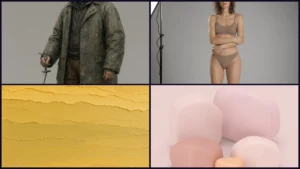
Something I tested that makes this discussion less relevant than it appears: the official weights generate ordinary catalog photos - figures, swimwear, lingerie - without any refusal. I ran two such prompts and both produced anatomically correct photos in the style of a department store campaign. For typical commercial applications, modified versions aren’t needed at all.
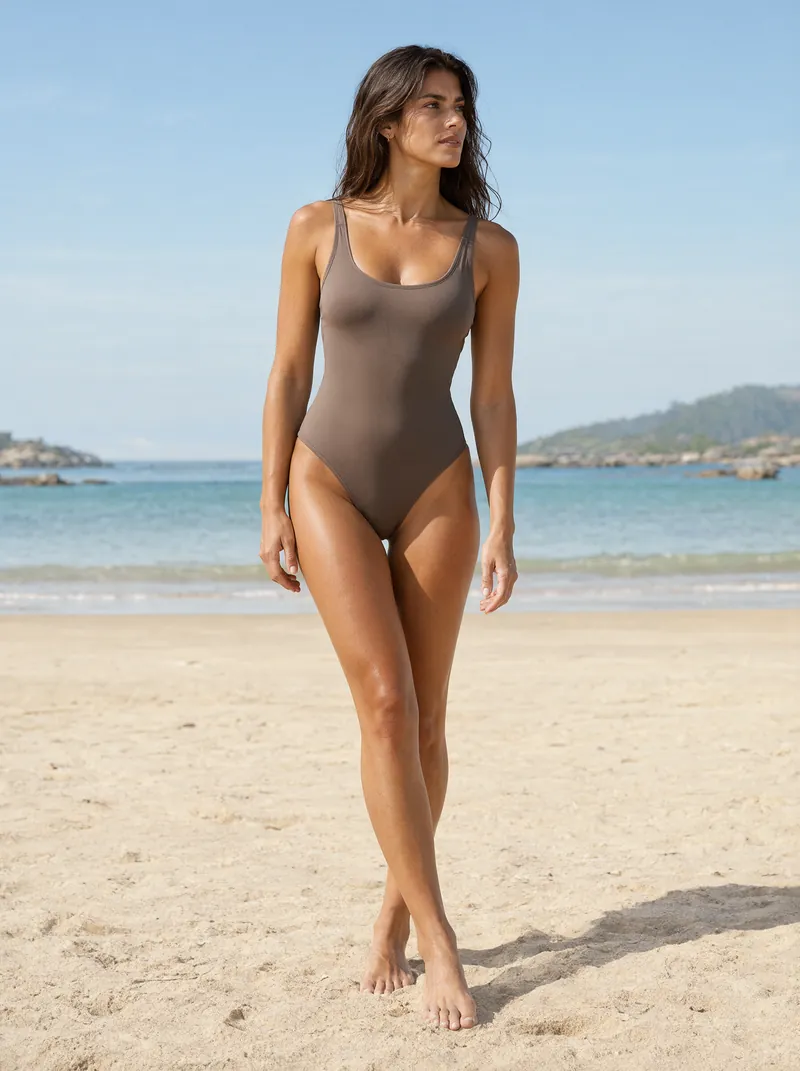
Catalog photo from official model weights, without any modification and without generation refusal.
What the Ban Covers
The frames below are exactly what the license doesn’t allow you to use commercially without a separate agreement: material that would be suitable for a product page or campaign.
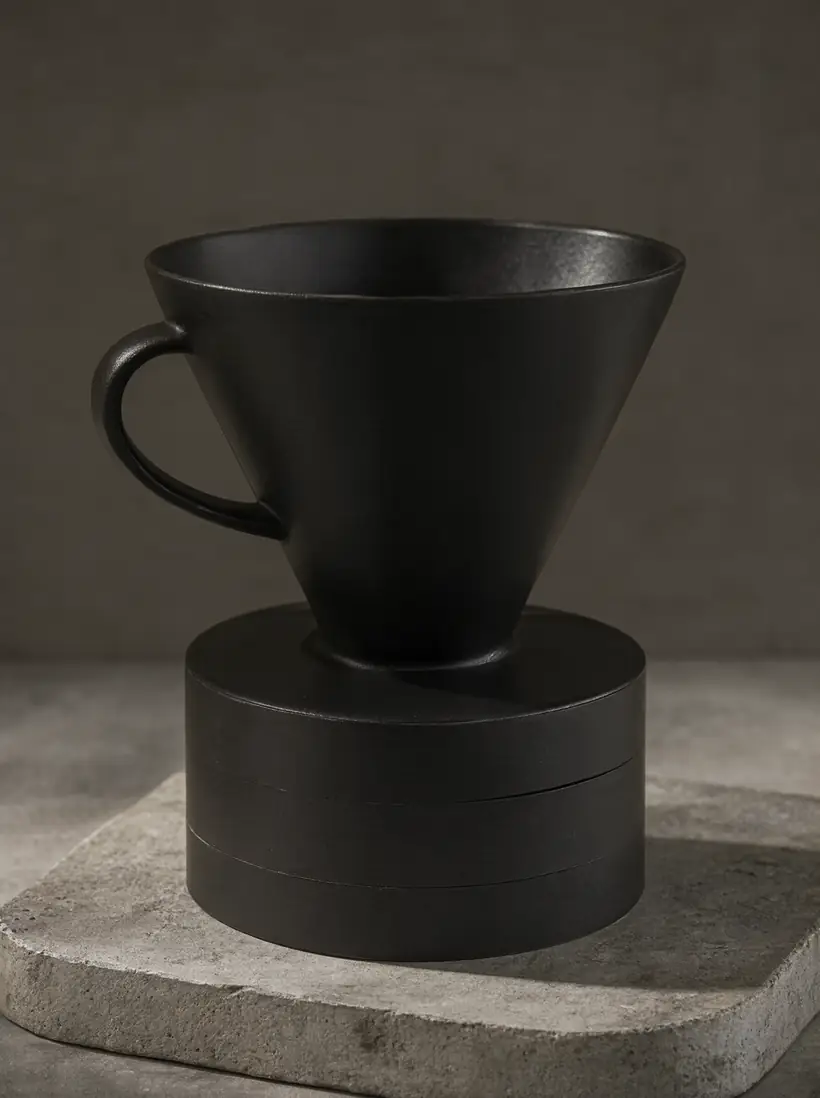
Product photo - ready for a product page and covered by the commercial use ban.
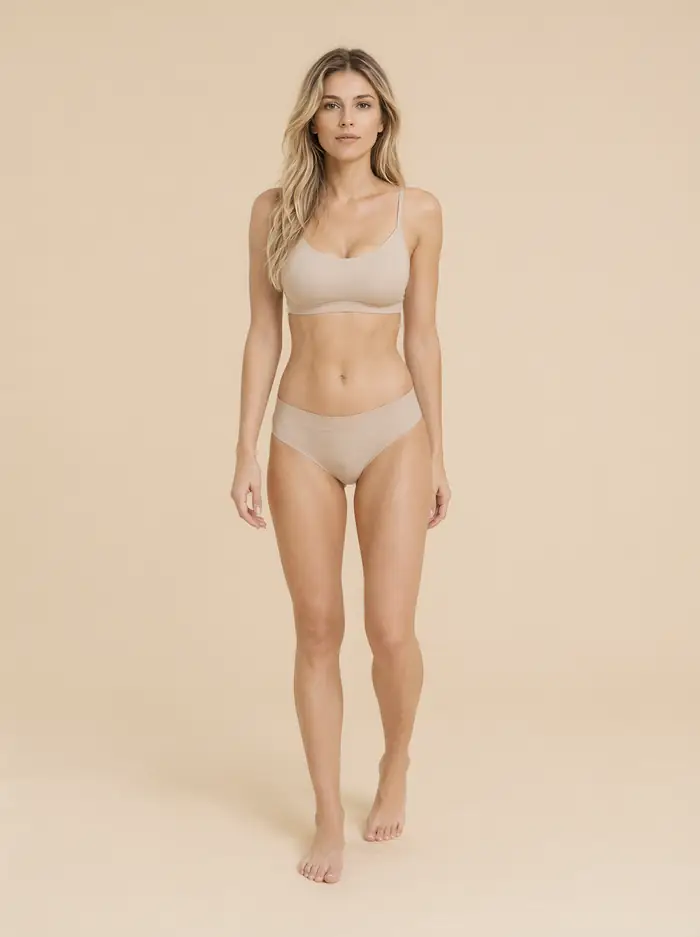
Catalog shot in a minimalist studio - same legal situation.
How This Compares to Other Models
This isn’t standard in this category - which is why it’s surprising. Earlier image models from the same family were released under licenses permitting commercial use. Here the maker changed approach with a release that’s clearly stronger than its predecessors: 7 billion parameters and 60.28 points versus 20 billion and 52.06 for the immediate predecessor.
This is opinion: it’s hard not to read this as a deliberate decision. A model that beats competition requiring paid access would, on a permissive license, be a serious problem for the maker’s own paid offering.
What to Do If You Want to Use It Commercially
- Request a commercial license at the address given in the agreement. The maker itself points to this path.
- Until you get a response, stick to evaluation and testing. Getting to know the model and checking whether it’s even suitable for your tasks falls within the license without any restrictions.
- Calculate how much you’ll actually save. Without that number, you don’t know if it’s worth bothering with an agreement - we calculated this separately.
Frequently Asked Questions
Can Qwen-Image-2.1 Be Used Commercially?
Not without a separate commercial license from the maker. The Qwen Research License restricts use to research and evaluation.
Does This Apply to Generated Images Too?
The license restricts use of the materials, meaning the weights and code, for commercial purposes. Generating graphics for sale is using the model for a commercial purpose.
Do Modified Versions from Hugging Face Have a Different License?
A derivative work doesn’t remove the restrictions of the original, and the license additionally requires marking modified files and including a copy of the agreement.
How Do You Obtain a Commercial License?
The agreement specifies the maker’s email address where you should submit a request.
Can I Use It for Learning and Testing?
Yes. Research and evaluation are exactly the purposes the license permits.
Were Previous Qwen Models Also Non-Commercial?
Earlier image releases in this family came out under terms permitting commercial use. With this release the maker changed the license - check the terms for each model separately.
Sources and Date Checked
License content read on September 22, 2026 from the LICENSE file in the repository Qwen/Qwen-Image-2.1; the document bears an issue date of September 20, 2026. Number of derivative versions from the model card on the same day. This is not legal advice - I’m a technology writer, not a lawyer. For a business decision, have a lawyer review the agreement. I conducted the generation refusal test myself on the official weights.
More on this from QUANTSLANT
 guides·How Much Does Grok Cost? Free, SuperGrok $30, Plus $100Complete breakdown of Grok's subscription plans from free to $100/month. What you actually get at each tier and when upgrading makes sense.