California AI Worker Protection Laws Set National Precedent
California just passed the first comprehensive AI workplace regulations in the US - banning AI-only firings, emotion tracking, and bathroom surveillance.
👁 115 reads
There are moments when law lags behind technology. And there are moments when it decides to catch up. In recent weeks, California chose to sprint.
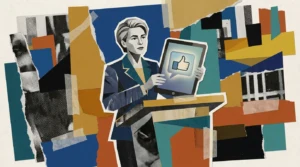
Governor Gavin Newsom signed a package of laws that comprehensively regulate AI use in the workplace for the first time. These aren’t vague declarations about responsible artificial intelligence - they’re concrete prohibitions: employers cannot rely solely on algorithms when deciding to fire an employee. They cannot use AI to predict workers’ emotional states. They cannot collect neural data - information derived from electrical signals in the brain and nervous system. They must inform employees when mass layoffs are a direct result of AI system decisions. And they cannot use algorithmic surveillance in bathrooms.
That last one may sound absurd - until you remember that Amazon warehouse workers have complained for years about having their bathroom time measured. Or that at Kaiser Permanente, one of the largest hospital networks in the US, nurses reported automated systems evaluating their tone of voice during patient conversations. Law doesn’t emerge in a vacuum - it appears where technology has already caused harm or come dangerously close.
Federal Vacuum, State Action
The political context here is no accident. The federal administration has taken a laissez-faire approach to AI - no binding national regulations, no oversight body with real authority. In this vacuum, California - the state where dozens of leading AI companies are headquartered - decided to take matters into its own hands. This isn’t the first time; a similar pattern played out with data privacy regulations and emissions standards.
Lorena Gonzalez, head of the California Labor Federation AFL-CIO, put it bluntly:
“This is a turning point. This is really the first time we’re seeing California workers show the whole country that we don’t have to accept this.”
Gonzalez is actively helping union leaders from other states draft similar regulations - meaning California isn’t treating these laws as a local experiment, but as a model for replication.
Other states have already moved partially in this direction: Colorado, Connecticut, Illinois, and Texas have passed individual workplace AI regulations. But they’re narrower in scope. None has created as cohesive a package as California.
We Don’t Know Where AI Is Already Operating
One of Gonzalez’s strongest arguments is precisely this uncertainty. “We don’t know all the places where companies are using AI, and that is and should be terrifying,” she stated. The Federation is responding methodically: tracking products sold by AI companies, working from the assumption that if something is on the market, it’s probably already in use.
This is a sober, detective-like approach to regulation. Instead of waiting until specific harm is proven, advocates are asking: what can be purchased? What might have already been quietly deployed? The new laws have this preemptive logic - the provision banning bathroom surveillance doesn’t wait for a court to find that a specific worker suffered harm. It prohibits the practice before it becomes normalized.
Employers With Algorithms Instead of Decisions
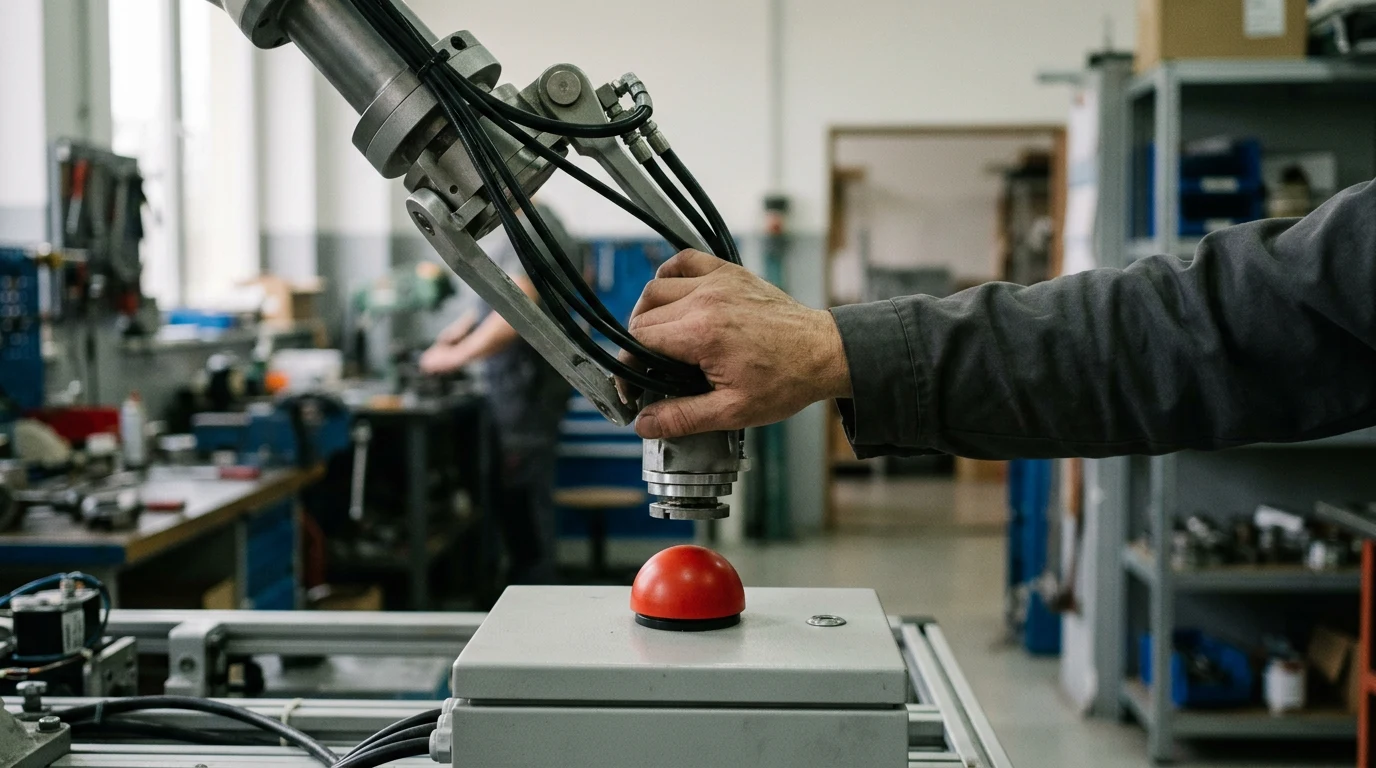
The toughest provision from a worker perspective is the ban on making employment decisions - especially terminations - solely through AI. That word “solely” does all the work here. The law doesn’t say companies can’t use AI in evaluating employees. It says a human must be in the decision loop. Algorithms can recommend, flag, analyze - but the final decision must belong to a person who can be held accountable.
This distinction matters because industry narratives often blur “AI as a support tool” into “AI as a decision-making system.” When a manager says the “system indicated” a candidate for termination, the boundary between support and delegation becomes fluid. The new law hardens that boundary.
Google · Your sourcesQuantslant higher in your Google - one clickAdd to preferred sources →A Precedent Still Being Built
It’s worth being precise about the scale of this step. The regulations are just taking effect - we don’t yet know how they’ll be enforced, how many cases will reach courts, how companies will find loopholes. Gonzalez plans to use California’s momentum for further campaigns, including requiring employers to disclose automated decision systems. This indicates the current package is a stage, not a destination.
But clearly a first stage. In a country where federal AI regulations remain a song of the future, California just proved that comprehensive labor law for the age of artificial intelligence is possible - and can be enacted before algorithms get around to sending termination notices on their own.