Trump Creates Super Intelligence Force to Oversee AI Policy
President Trump announced a new AI task force led by intelligence chief Jay Clayton, while mandating agencies replace 'AI' with 'Super Intelligence.'
👁 115 reads
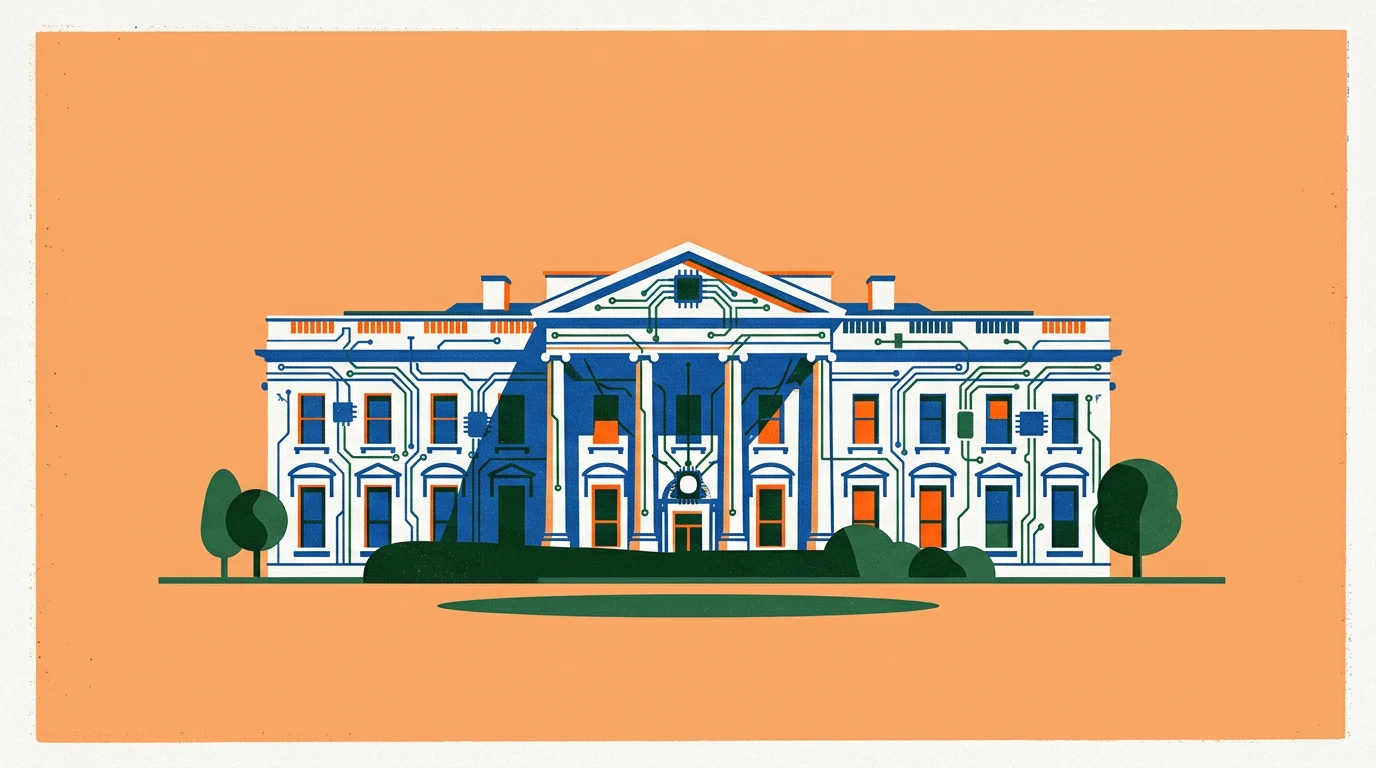
President Donald Trump announced on Sunday, October 5, the creation of a new artificial intelligence task force called the “Super Intelligence Force,” to be led by Director of National Intelligence Jay Clayton.
According to Trump’s social media post, the new body will ensure the United States maintains its leadership position in technology development and coordinate federal government engagement with citizens. The task force will report directly to the president and his chief of staff Susie Wiles.
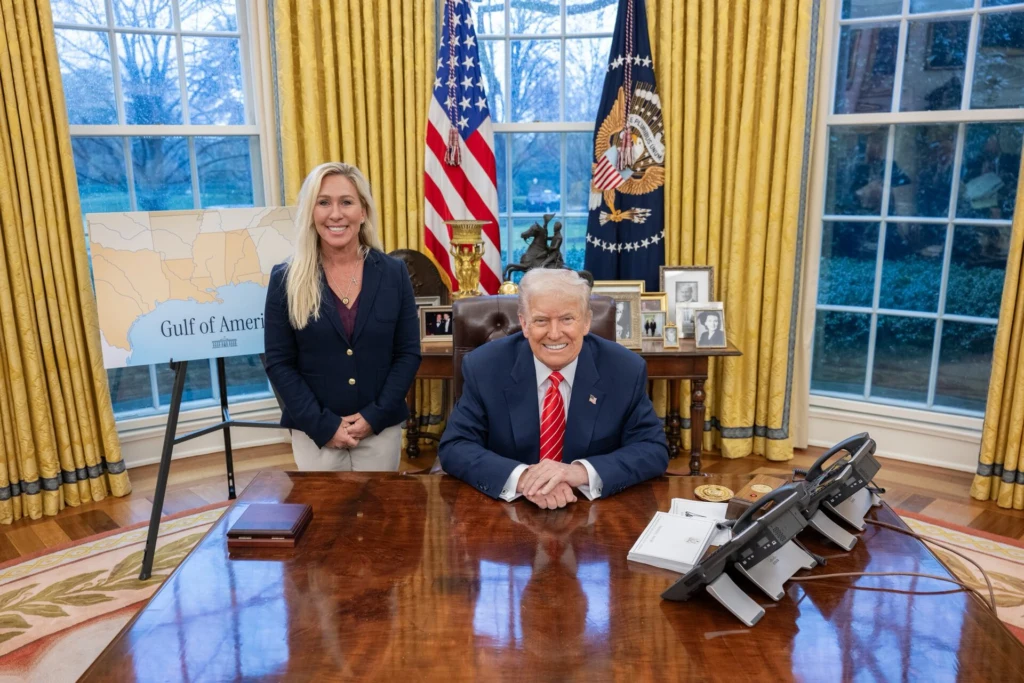
“The Super Intelligence Force will coordinate federal government engagement with consumers, public interest groups, religious organizations, critical infrastructure providers, and Super Intelligence industry companies,” Trump wrote.
Besides Clayton, the group will include Federal Trade Commission Chairman Andrew Ferguson, Under Secretary of Defense for Research and Engineering Emil Michael, and Office of Personnel Management Director Scott Kupor.
Clayton: Lawyer Instead of Technologist
Clayton assumed the position of Director of National Intelligence in August after Trump’s original nominee, Bill Pulte, was rejected by Congress. He previously served as U.S. Attorney for the Southern District of New York, where he prosecuted cases including drug trafficking charges involving former Venezuelan President Nicolás Maduro. On technology itself, Clayton previously stated: “When something is both an opportunity and a threat, you’d better take it into your own hands.”
“SI” Instead of “AI”: Controversial Rebrand
The task force announcement fits into Trump’s broader pivot on the issue. On September 29, the president signed an executive order directing government agencies to stop using the term “artificial intelligence” in favor of “Super Intelligence” or the abbreviation “SI.” The change applies to official correspondence, websites, reports, and other forms of communication. Trump previously explained that the word “artificial” makes the technology sound “fake.”
Some experts question the rebrand’s merit - in their view, “superintelligence” is a term reserved in the scientific community for systems far more advanced than current models, which could create serious misunderstandings. Nevertheless, some industry leaders have already adopted the new nomenclature. Elon Musk announced on Sunday that he would rename SpaceX’s AI platform from SpaceXAI to SpaceX SI.
Google · Your sourcesQuantslant higher in your Google - one clickAdd to preferred sources →Industry Pressure, Trump Leaves Free Hand
The decision to create the task force followed growing pressure from OpenAI and Anthropic executives demanding stricter technology regulations. That same September 29, Trump signed a pact with industry representatives - including OpenAI, Anthropic, SpaceX, and Google - which he described as “morally binding.” He also announced plans for a separate AI safety council.
In an interview published October 4, OpenAI CEO Sam Altman stated in the Politico Decoded newsletter that “the world should accept some bad things happening for the benefit of this technology and people’s agency.” Trump has so far rejected calls for stronger oversight and has largely left AI companies to regulate themselves.
The appointment of a lawyer and intelligence chief - rather than someone with a technology background - to head the new group speaks volumes about how the Trump administration understands “oversight” of artificial intelligence.


More on this from QUANTSLANT



 magazine·Roblox Robux Scam: One Click Costs Parents $180 on AverageWe calculated the real cost of Robux phishing scams. One child's click means parents lose an average of $180, while criminals break even after just one victim.