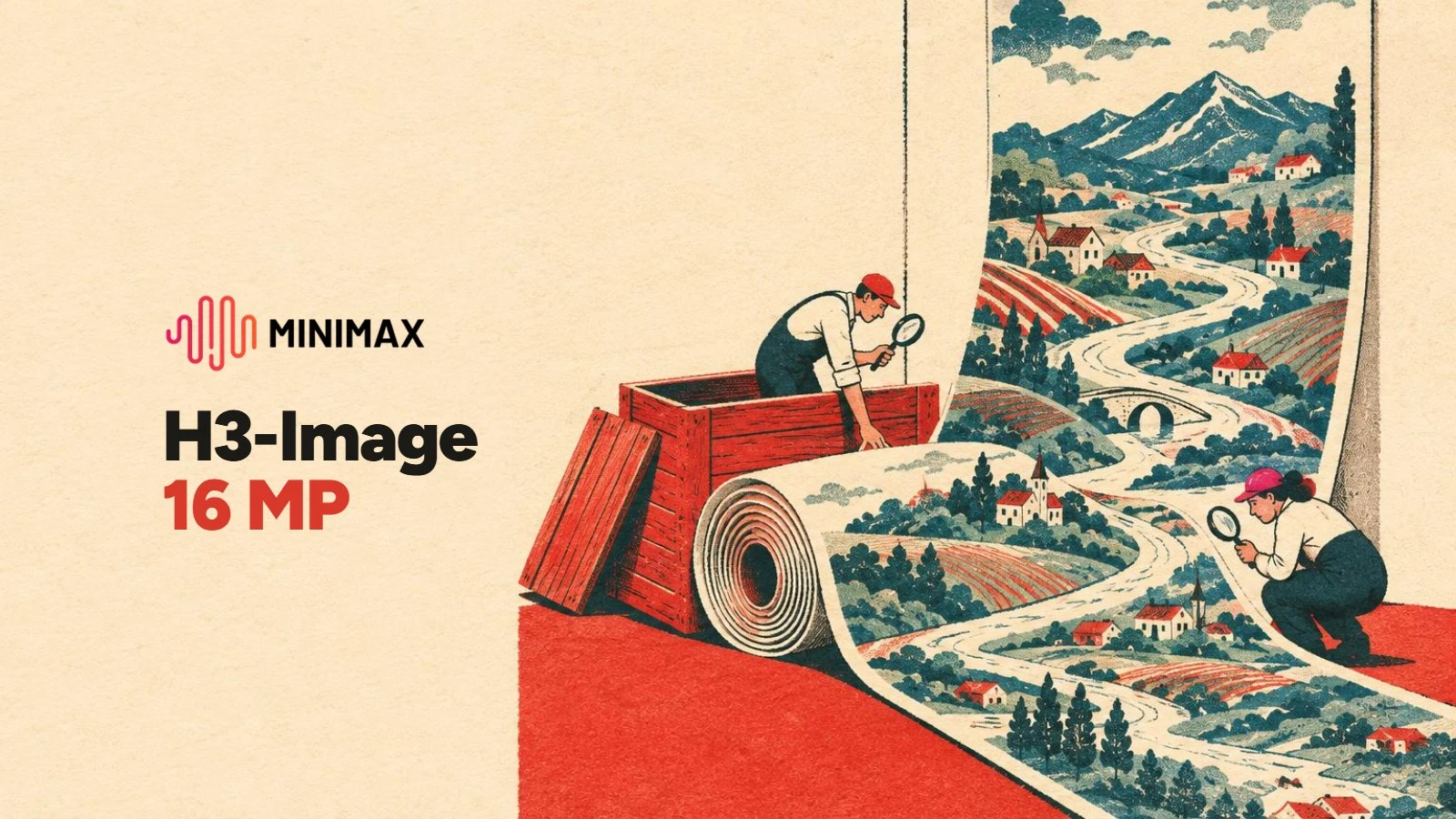
MiniMax H3-Image Is Out: 16 MP, Open Weights, Price and My Test
MiniMax released H3-Image: 16 MP images, up to 16 references, open weights and 4K for 0.034 USD in launch week. I ran 170+ images through it.
👁 129 reads
On 10 November 2026 MiniMax, the Chinese company behind Hailuo AI and the H3 video model, released MiniMax H3-Image: an image generation and editing model that outputs about 16 megapixels (4K) natively, accepts up to 16 reference images and ships with open weights. The same evening I ran more than 170 images through it via API for less than 5 US dollars. Here is what MiniMax announced and what I measured myself.
The short version: a 4K image costs about 0.034 USD during launch week and takes 22-24 seconds, photo and illustration quality is very good, and 16 references really work. The weak spots: non-English text with diacritics (I tested Polish), no transparent backgrounds, and a weights licence with a territorial restriction. All details are collected in my MiniMax H3-Image guide.
What MiniMax announced
- 16 MP without an upscaler. From 4096×4096 (1:1) to 6272×2688 (21:9). MiniMax says 4K takes about 10 seconds.
- One model for generation and editing. Editing accepts 1 to 16 reference images.
- Open weights. Repository
MiniMaxAI/MiniMax-H3-Image: a 33.1-billion-parameter diffusion transformer (66.28 GB in BF16) plus the text encoder from MiniMax H3 (66.7 GB). Distilled to 6 steps, no CFG, no negative prompt. - API and apps. platform.minimax.io, MiniMax Code and Hailuo AI. There is also a Highspeed version.
- Launch offer. 50% off images of at least 16.6 million pixels until 17 November 2026, 16:00 UTC.
Where it works and what it costs (10 Nov 2026)
| Where | 2K image | 4K image | Notes |
|---|---|---|---|
| MiniMax API (official) | 0.02333 USD | 0.06879 USD, with the offer 0.03439 USD | token pricing, offer until 17 Nov, editing with 1-16 references |
| fal.ai | same token rates as MiniMax | since 10 Nov, Highspeed too | |
| WaveSpeedAI | 0.03 USD | 0.09 USD | editing from 0.038 USD, no launch discount |
| Hailuo AI | 3 credits per image (1K, 2K and 4K) | web app, free starter credits | |
| OpenRouter, Replicate | not available | checked on the evening of 10 Nov | |
In my test 4K cost 0.033-0.036 USD, but four portraits in 4:5 (3648×4544) were charged the full 0.067-0.070 USD. That is 16.58 million pixels, just below the offer threshold. To get the discount, use a size from the official table, for example 4096×4096 or 5472×3072.
My test: what worked
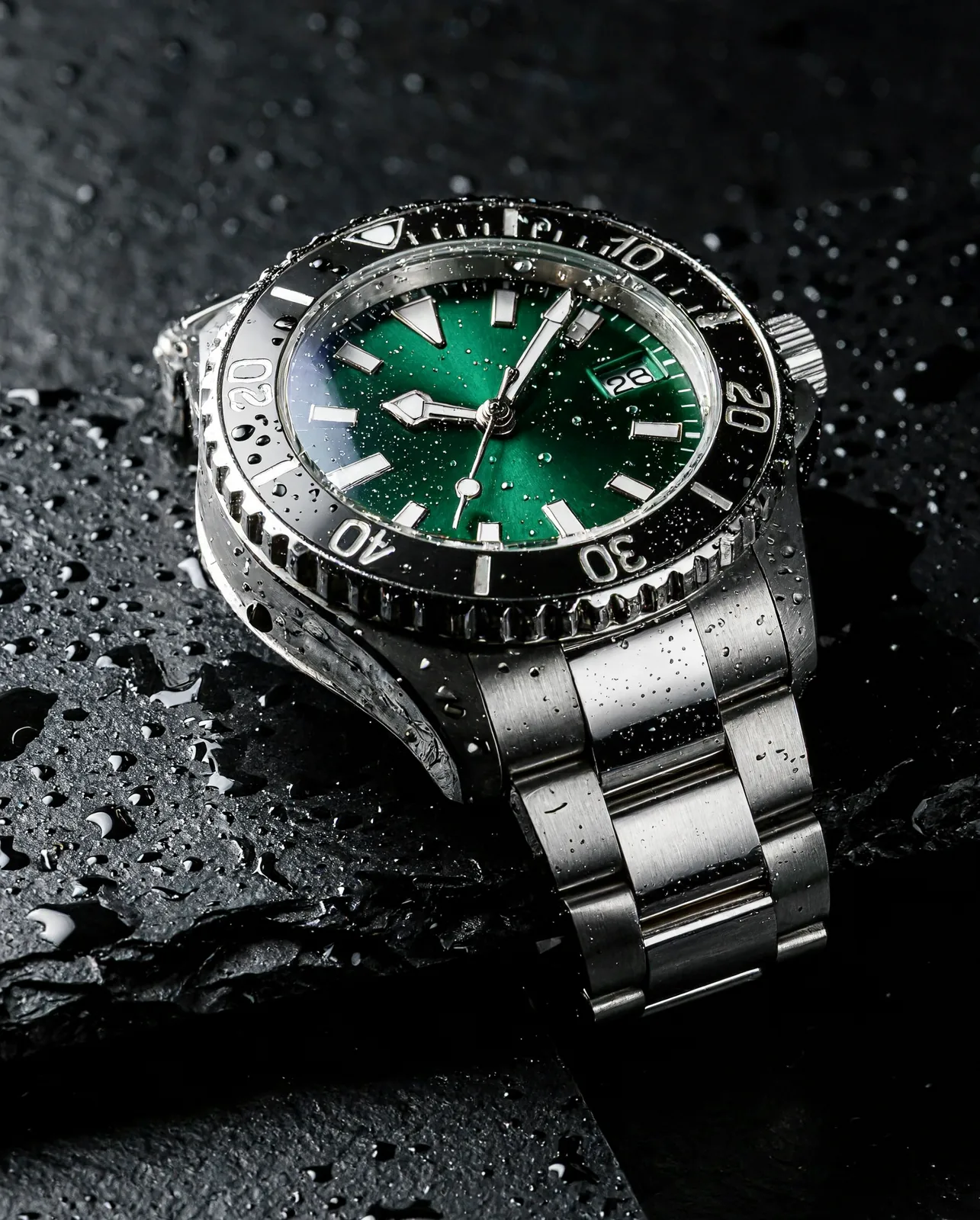
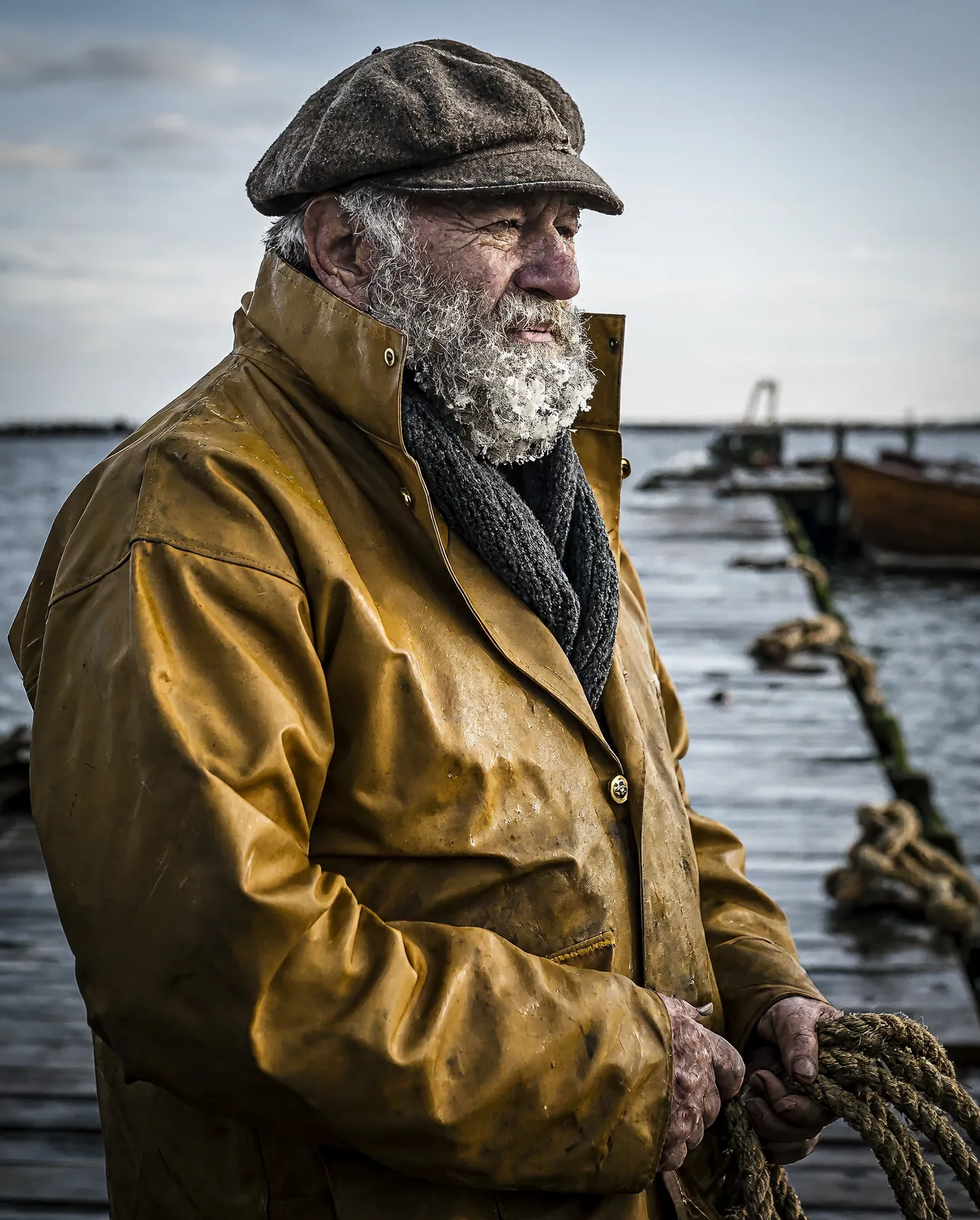
- Photo and illustration quality. None of my 24 gallery prompts (products, portraits, watercolour, anime, a game map, a storyboard, a comic, an infographic) needed a second try. The English text I asked for on posters and covers came out clean.
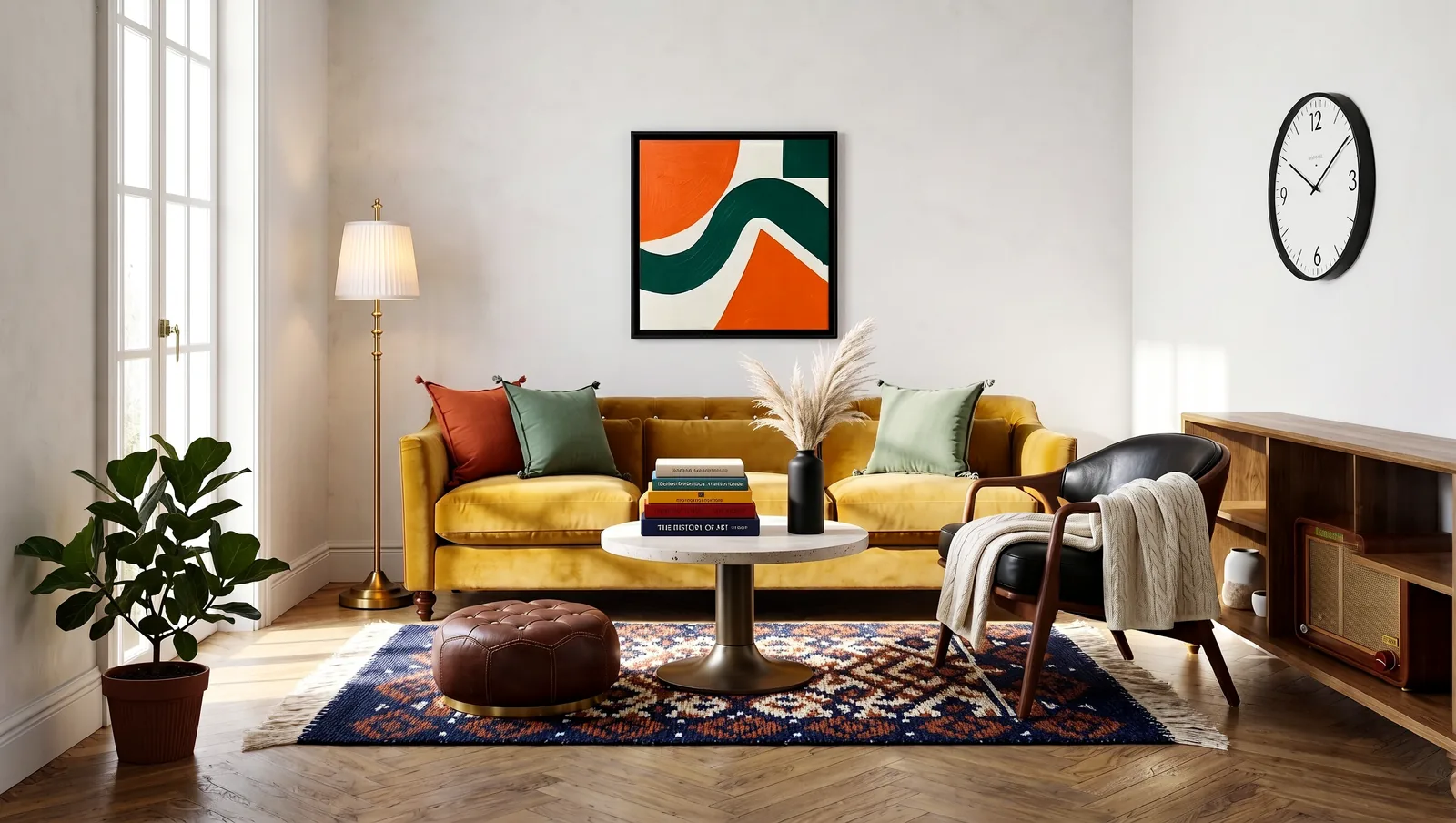
- 16 references. I gave the model a photo of an empty room plus 15 separate pieces of furniture and decor. In both runs all 15 items ended up in the living room with the same colours and shapes. Cost 0.099 USD, about a minute.
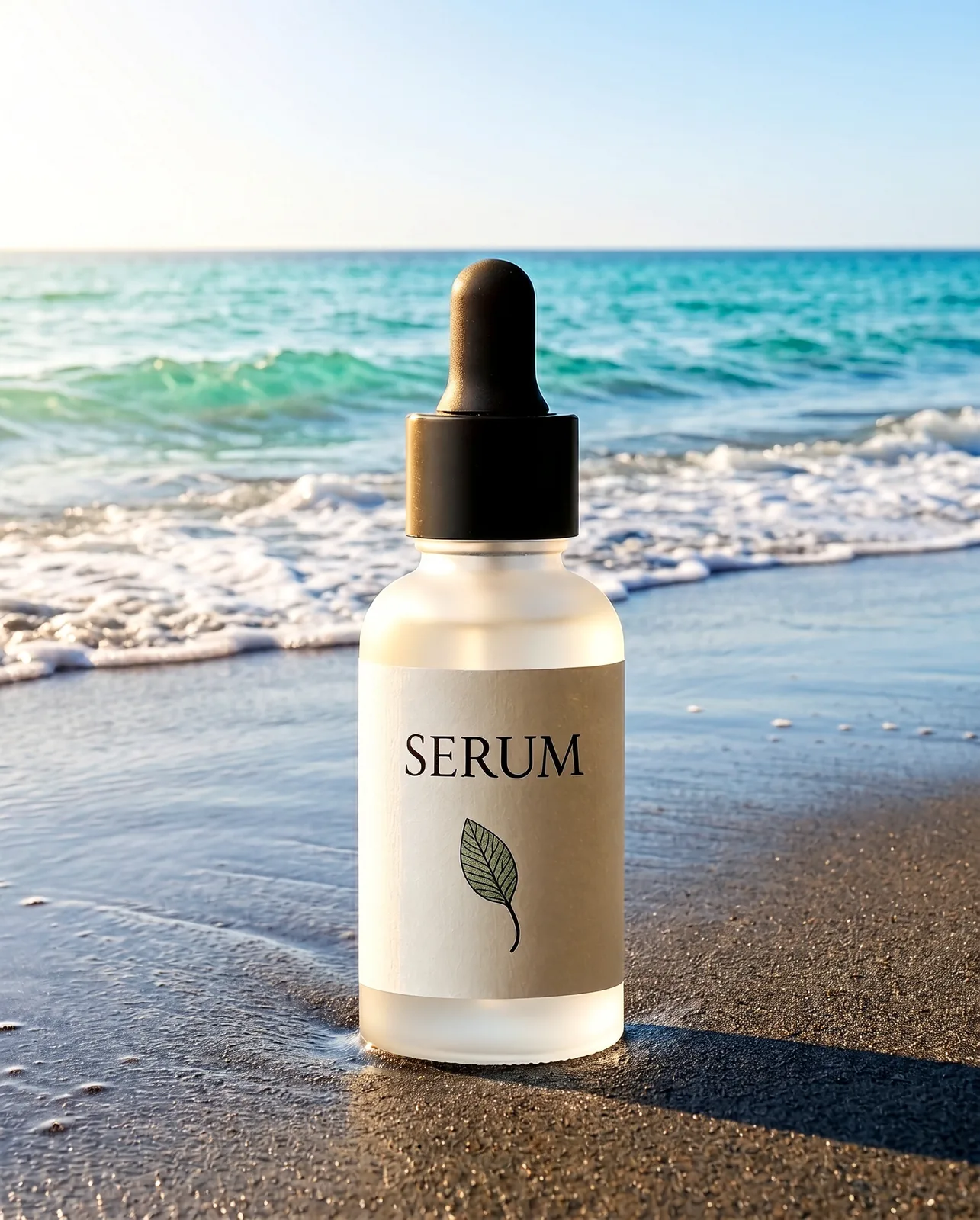
- A product in new scenes. One serum bottle moved into six different settings: 6 out of 6 with the same label.
My test: what did not
- Letters with diacritics. On 7 prompts with Polish text H3-Image averaged 26 errors per roughly 550 characters (Seedream 5.5: 8, Nano Banana 2.1: 0). Not one of 21 images was error-free. It often swaps a diacritic for one from another language, such as a Czech caron.
- Transparency. 0 out of 5. The documentation states that transparent backgrounds are not supported.
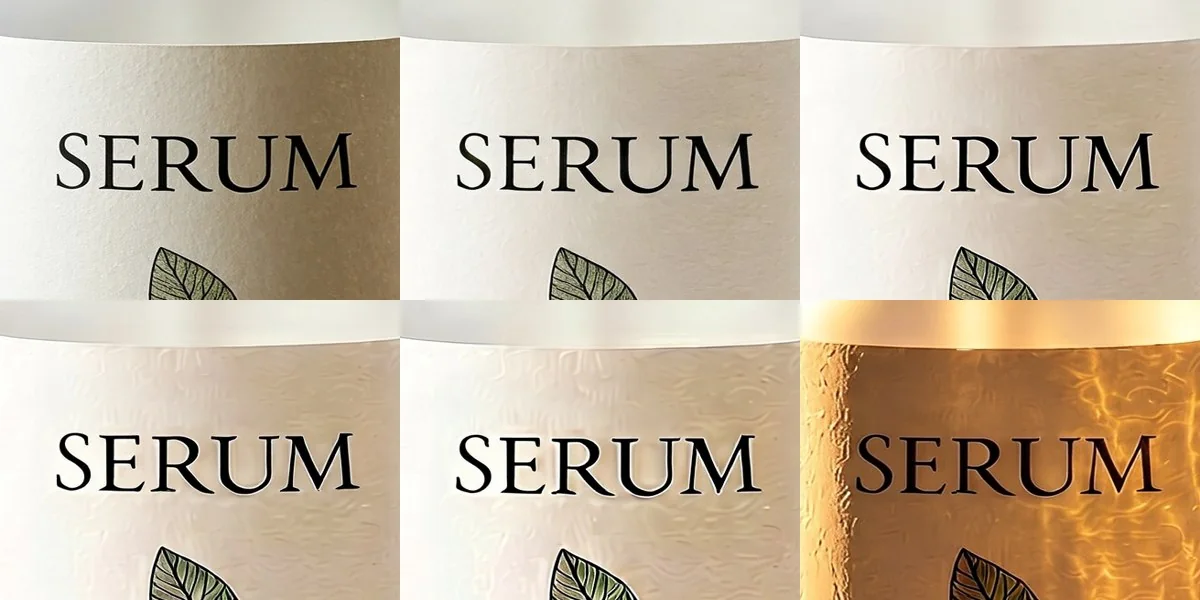
- Chained edits. Every edit made on the previous result adds texture. After 5 rounds the label looks over-sharpened. Editing from the original stays clean.
- Speed. I did not see “4K in 10 seconds” through the API: 4K took 22-24 s, 2K 13-17 s.
What “open weights” means here
The weights can be downloaded, but the MiniMax-H3-Image Community License excludes the EU, the UK, South Korea and the USA from the territory where the weights and their outputs may be used. Readers elsewhere, for example in India, Canada or Australia, may run them under the licence terms, and companies with over 1 million USD in annual revenue or hosted services need separate permission. The transformer alone weighs 66 GB and about 135 GB with the text encoder, so on a 24 GB consumer GPU you would need community quantizations (int8 and GGUF versions appeared on day one). I did not run it locally. The API and Hailuo are separate services with their own terms.
What’s next
My MiniMax H3-Image guide has the full results table, and 24 tested prompts with images show what the model can do. The guide also has, the comparison with Seedream 5.5, Nano Banana 2.1 and GPT-Image-2.6.
Sources
- Hugging Face: MiniMaxAI/MiniMax-H3-Image (model card, 10 Nov 2026)
- MiniMax-H3-Image Community License Agreement
- MiniMax: Image Generation Guide
- MiniMax: API pricing (10 Nov 2026)
- WaveSpeedAI: MiniMax H3 Image
- fal.ai: MiniMax H3 Image
- Hailuo AI
- My own test on 10 Nov 2026 via API: more than 170 images, cost from the API cost field (4.98 USD), text read at full zoom. Seedream 5.5, Nano Banana 2.1 and GPT-Image-2.6 results from my tests on 9-10 Nov 2026 with the same prompts.