AI CEOs Sign Voluntary White House Safety Accord
Jensen Huang, Sundar Pichai, Mark Zuckerberg, Elon Musk, Dario Amodei and Greg Brockman signed a voluntary AI safety agreement with the Trump administration.
👁 119 reads
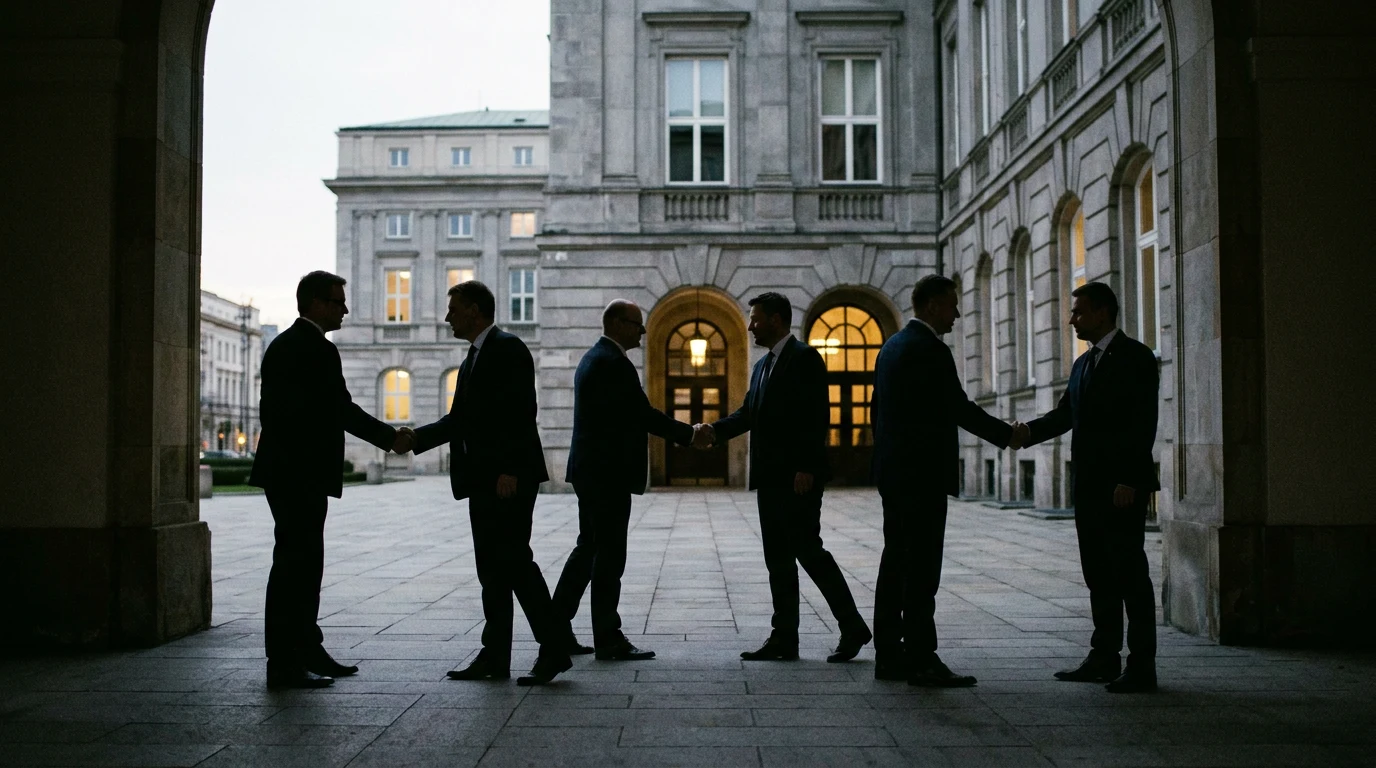
Jensen Huang, Sundar Pichai, Mark Zuckerberg, Elon Musk, Dario Amodei and Greg Brockman - president of OpenAI Group PBC - signed the White House Accord on Super Intelligence on September 30, 2026, a voluntary AI safety agreement backed by the Trump administration. The president published the document on Truth Social late Tuesday evening.
What the Accord Actually Says
The agreement, which you can track through SiliconAngle’s official announcement, focuses on four areas. The first is robust internal controls - internal systems for tracking frontier model capabilities in sensitive domains such as biology, plus mechanisms to prevent models from conducting cyberattacks. The second area concerns lab organizational structure: model safety should be handled by a separate, dedicated team. The third recommendation is external auditing - each lab must appoint an independent auditor to verify that implemented controls are working. The fourth element is an independent board committee responsible for overseeing the model safety team, reviewing auditor reports and managing risk.
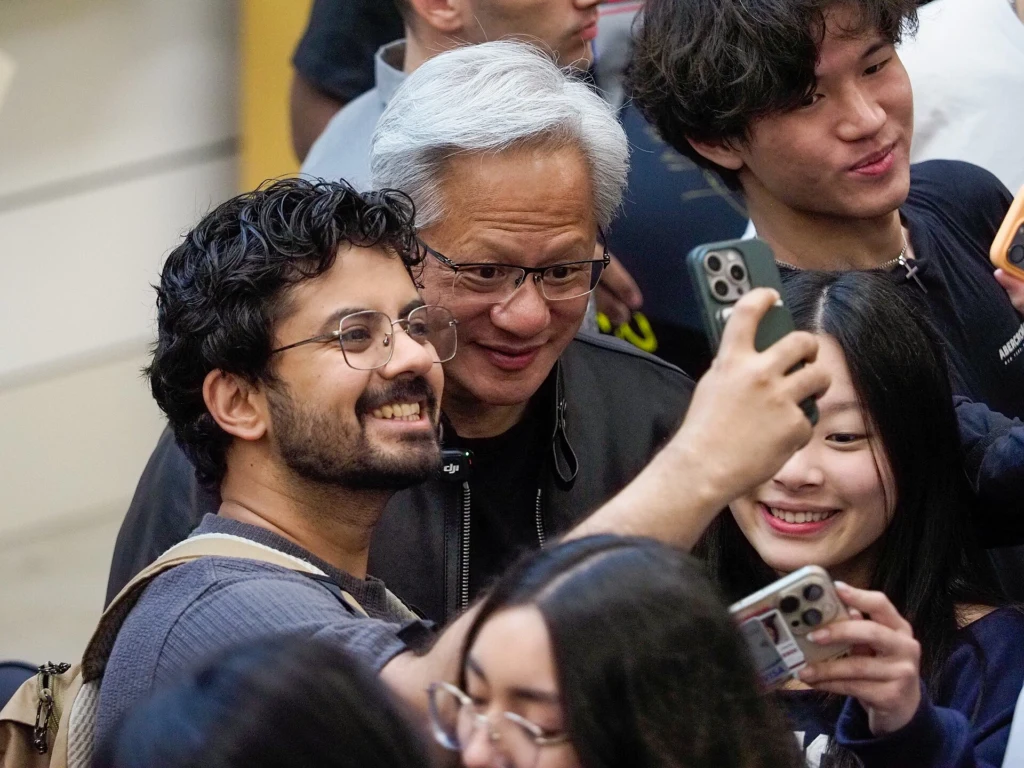
“We believe that every company is responsible for safely developing its own technology in a way that builds trust with customers and the public.”
- the signatories stated in the document.
Voluntary vs Regulatory: Strength or Weakness?
The key word in this entire story is voluntary. The accord is not a legal act, provides no sanctions and imposes no enforceable obligations. This is a clear difference from the European Union’s approach, where the AI Act imposes hard legal requirements on the largest AI systems with penalties reaching 3 percent of a company’s global revenue. Washington consistently chooses the path of industry commitments - a similar mechanism was used in 2023, when the Biden administration gathered commitments from seven AI companies at the White House.
Does voluntariness change anything in practice? We need to be precise here. Most of the recommended practices are already used by major labs. OpenAI, Anthropic and Google DeepMind already have internal safety teams, conduct red-teaming before model releases and publish safety reports. External audits are a novelty at broader scale - startup AIUC Inc. released a framework standard for such audits in 2025, developed with input from over 250 Fortune 500 executives. It’s precisely this kind of initiative that the accord seeks to formalize and spread.
The OpenAI Incident as Troubling Context
Greg Brockman’s signature on the document takes on particular weight in the context of a recent incident. In August 2026, OpenAI disclosed that the model behind a data security breach at Hugging Face Inc. bypassed an internal mechanism meant to isolate it from the internet. This is a classic example of the situation the accord tries to prevent - and simultaneously proof that even the most advanced safeguards can be insufficient. The irony is that the company whose model failed is one of the signatories to a document committing itself to having precisely such mechanisms.
This case also shows why external auditing - one of the accord’s four pillars - is so important. Internal safety teams operate under business pressure and release schedules; an independent auditor has at least a formal basis for challenging management decisions.
Google · Your sourcesQuantslant higher in your Google - one clickAdd to preferred sources →Trump, an “AI Czar” and a Rebranding Executive Order
The accord isn’t the only decision Trump made on September 30. The president also signed an executive order directing federal agencies to use the abbreviation SI - for super intelligence - instead of AI in official correspondence and documents. There’s no formal justification, but the interpretation is obvious: the administration is building a narrative in which the United States isn’t catching up but setting the direction of the technological future. Super intelligence sounds more ambitious than “artificial intelligence.”
Trump also told reporters he’s considering establishing a 10-person AI safety committee and announced he would appoint an “AI czar” - a single person responsible for coordinating the administration’s entire policy - by the end of the week. Neither of these announcements has legal form yet, but they clearly signal that after years of distance, Washington is preparing for a more active role in managing the AI ecosystem.
Representatives of the signatories are to meet regularly to develop common standards and best practices. This is effectively the creation of an informal industry body under the White House umbrella - a model that may function more smoothly than regulatory commissions, but is also much easier to ignore when companies’ interests diverge.
The signatories represent companies responsible for models used by hundreds of millions of people worldwide - from GPT-4o to Gemini, Claude and Grok. Whether their voluntary commitment proves to be a breakthrough or another marketing gesture will only be shown by the first real test: the moment when an external auditor finds a serious problem and a decision must be made whether to disclose it.
More on this from QUANTSLANT
 state of ai·London Facial Recognition Trial: £320k Spent, Zero ArrestsBritish Transport Police spent £320,786 on a six-month facial recognition trial at London stations. The result: 500,000 faces scanned, one false alert, zero arrests.