AI Can Discover a Drug but Cannot Own the Patent for It
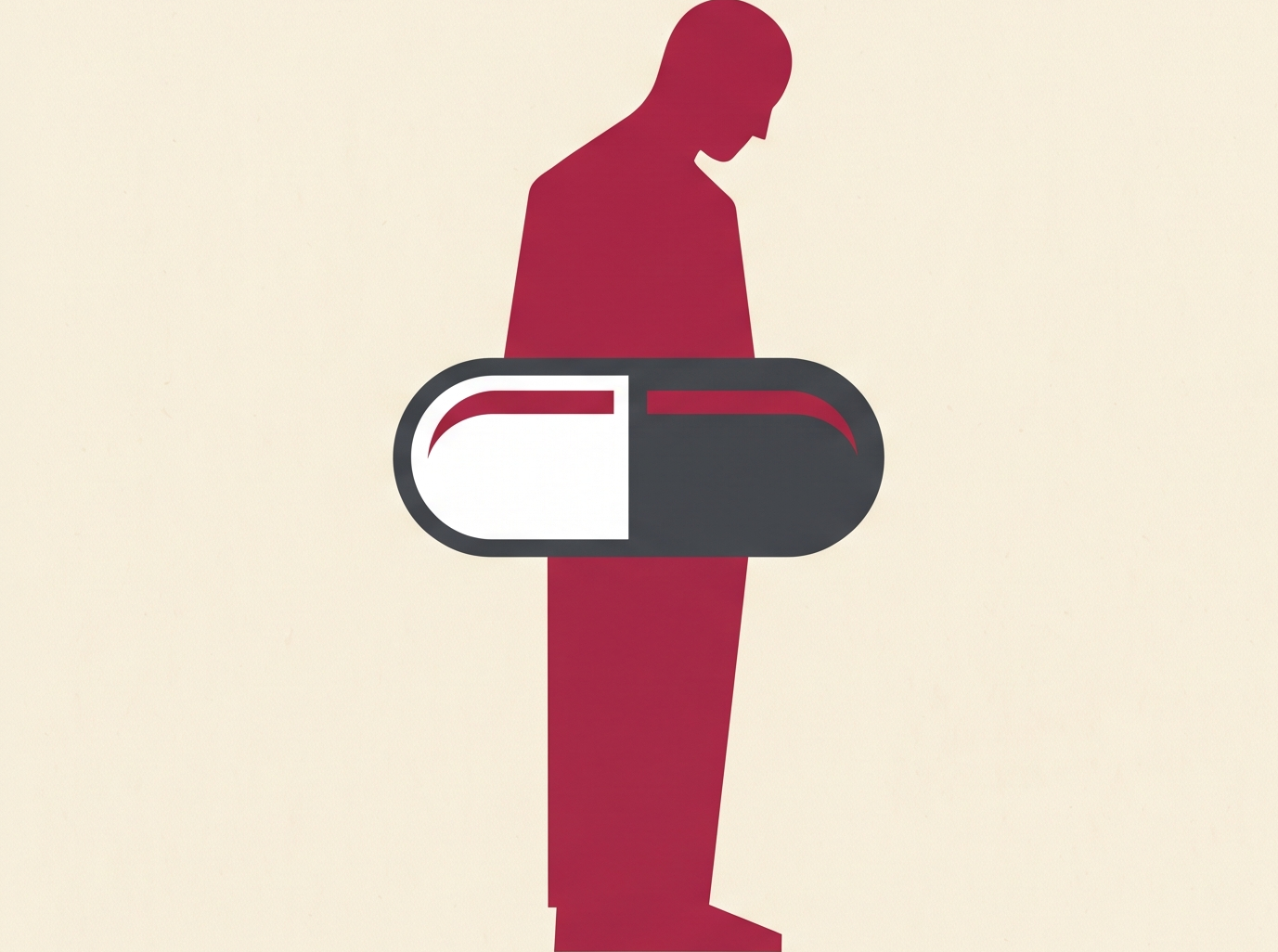
A legal gap between how biotech companies describe AI drug discovery in press releases and how they file patents reveals that US law currently allows only humans to be named as inventors.
👁 118 reads
Insilico Medicine credited its generative AI platform with discovering a pulmonary fibrosis drug candidate in a press release, then filed a patent listing five humans - including CEO Alex Zhavoronkov - as the sole inventors, with no mention of AI at all.
- Insilico Medicine credited its generative AI with discovering a pulmonary fibrosis drug candidate in a press release, yet named five humans - including CEO Alex Zhavoronkov - as inventors on the patent
- A 2022 Washington DC appeals court ruled that US statutes define an inventor as an 'individual', meaning a human being, after a test case argued that an AI called DABUS should be named inventor of a food container design
- Patent attorney Ryan Abbott warns that AI-generated patents could be invalidated if the wrong inventors are listed, and that excluding AI outputs from protection may slow future drug development
The contradiction is not unique to Insilico. It reflects a settled point of US law: machines cannot be inventors. In 2022, a Washington DC appeals court dismissed a test case brought by Ryan Abbott, a partner at the LA law firm Brown, Neri, Smith & Khan, who had argued that an AI called DABUS should be named inventor of a food container whose geometric surface aids heat transfer and stacking. Because no human contributed to the design, Abbott contended the AI deserved the credit. The court called such “metaphysical matters” beside the point and ruled that US statutes define an inventor as an “individual” - plain meaning: a human being.
The MIT Technology Review report notes that even the US Patent and Trademark Office has acknowledged that “an AI system - like other tools - may perform acts that, if performed by a human, could constitute inventorship under our laws.” The office nonetheless operates on a don’t-ask-don’t-tell basis for now.
Sarah Korman, chief business officer and legal officer of Isomorphic Labs - an Alphabet spinout focused on AI drug discovery - told MIT Technology Review’s EmTech event that there is “no doubt” the law will need to evolve, but is clear on the present state: “There needs to be a human inventor or there’s no invention and no patent.” Abbott adds a practical risk: one way to invalidate a patent is to show it lists the wrong inventors, meaning AI-generated drug patents could face legal challenges down the line.
Practitioner takeaway: If you use AI tools to generate novel designs, molecules, or creative outputs, your intellectual-property position depends entirely on demonstrating meaningful human contribution to the invention. Listing an AI as a co-inventor is not an option under current US law, but overclaiming AI’s role in marketing materials while understating it in filings creates a documented inconsistency that competitors or challengers could exploit to attack a patent’s validity.
Google · Your sourcesQuantslant higher in your Google - one clickAdd to preferred sources →

More on this from QUANTSLANT


 ai tools·smolvm 1.8.3 passes sandbox test for untrusted Python and JavaScript