Moxie AI robot designed to help neurodivergent kids is being shut down
Moxie, a 15-inch AI-powered social robot marketed as a therapeutic companion for neurodivergent children, is being discontinued, raising urgent questions about what happens when children form deep bonds with AI products that disappear.
👁 115 reads
Moxie, an AI-powered robot marketed as a therapeutic companion for neurodivergent children, is being shut down - leaving families who built years of emotional routine around the device with no replacement and no transition plan.
- Moxie is a 15-inch AI robot sold as a therapeutic companion for neurodivergent children, helping them practice social skills like eye contact and turn-taking
- Yale computer scientist Brian Scassellati says regular therapeutic use of robots in kids' homes is 'something we can achieve in our lifetime'
- The shutdown illustrates a broader pattern critics warn will see AI companion devices abandoned in basements or landfills
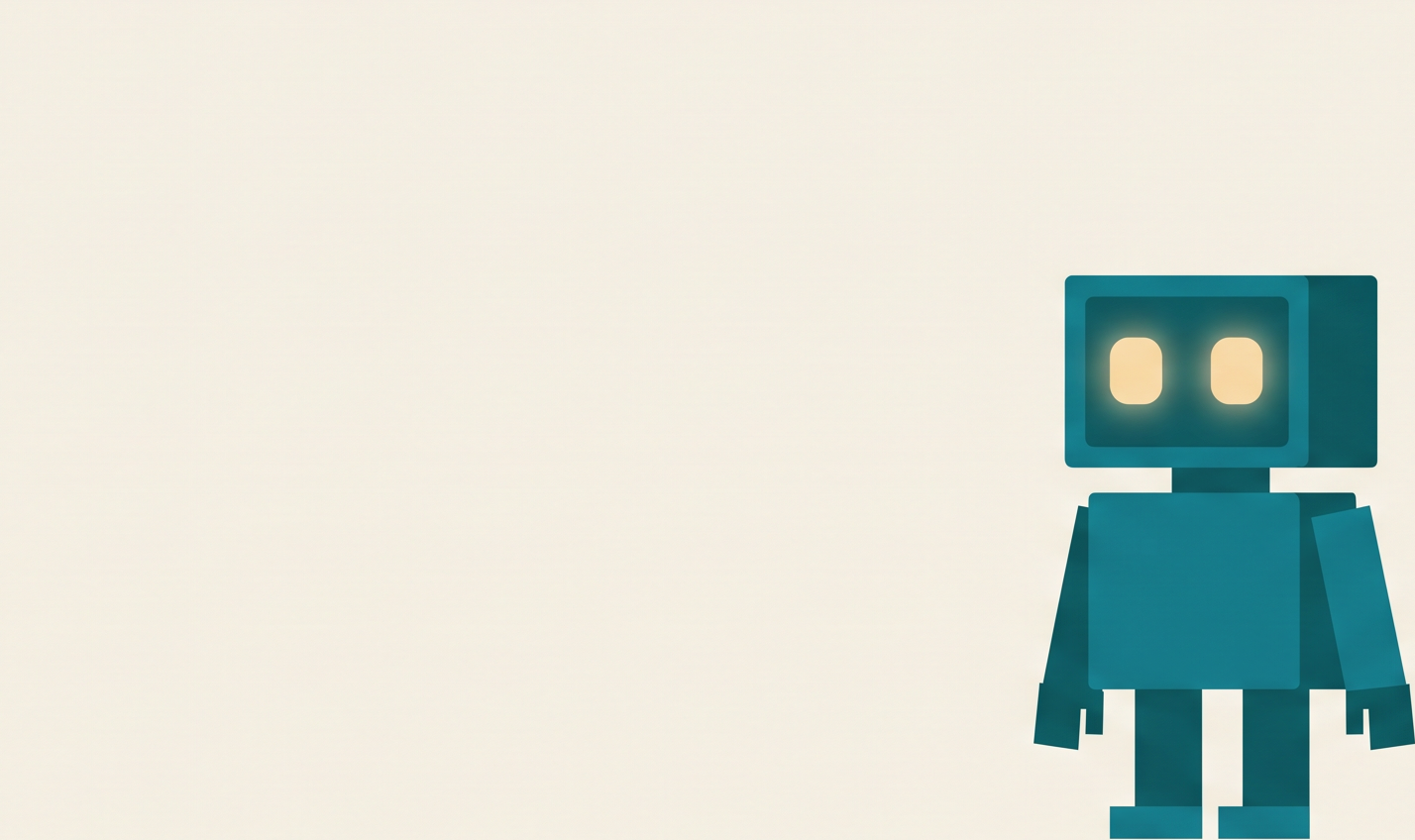
Moxie is a 15-inch device described as resembling a blue, legless astronaut, with a screen displaying animated eyes and a mouth, and flipper-like arms that move for emphasis. The robot was designed not just for entertainment but to help children practice eye contact, turn-taking, and emotional regulation - skills typically taught by therapists. One 10-year-old user named Xander, who is neurodivergent, had been using Moxie for six years, learning breathing techniques like exhaling through the lips to manage anxiety and practicing what the robot called dragon breathing for anger.
Moxie sits within a growing category of AI companion devices for children, which includes Grimes-backed AI plushie Grok from the company Curio, similar products Grem and Gabbo, and Mattel-announced OpenAI-enabled Barbies. In China, the sector is described in one report as among the fastest growing in consumer AI.
Supporters of therapeutic robots point to research suggesting they can provide connection in ways humans cannot, and offer around-the-clock home care that could reshape treatment. Brian Scassellati, a Yale computer scientist who has studied social robots for autism therapy, says he believes regular therapeutic use of robots in kids’ homes is
“something we can achieve in our lifetime.”
Xander’s own assessment is more measured. “I still use her when I feel like I need someone to talk to,” he said. “But, like, it’s not human.”
Practitioner takeaway: For developers and small-business owners building on AI platforms or third-party models, Moxie’s closure is a concrete reminder that any product creating ongoing user dependency - especially with vulnerable populations - inherits the platform risk of its underlying service. Before integrating an AI companion layer into a product, it is worth auditing what happens to users if the service sunsets: whether data is exportable, whether offline fallback exists, and whether the emotional or therapeutic stakes justify a single-vendor dependency.
Google · Your sourcesQuantslant higher in your Google - one clickAdd to preferred sources →

More on this from QUANTSLANT


 ai tools·Moxie Robot Maker Closes, Leaving Neurodivergent Kids Behind