AI Material Study: Glass, Metal, Ceramic & Wood - Same Object
We changed one vase into four materials using AI: transparent glass, polished metal, glazed ceramic, and wood. Here's how to control reflections and texture.
👁 113 reads
Changing a gray vase to “metallic” can simply result in a darker gray vase. But material isn’t just about color. You need believable reflections, edges, transparency, or texture.
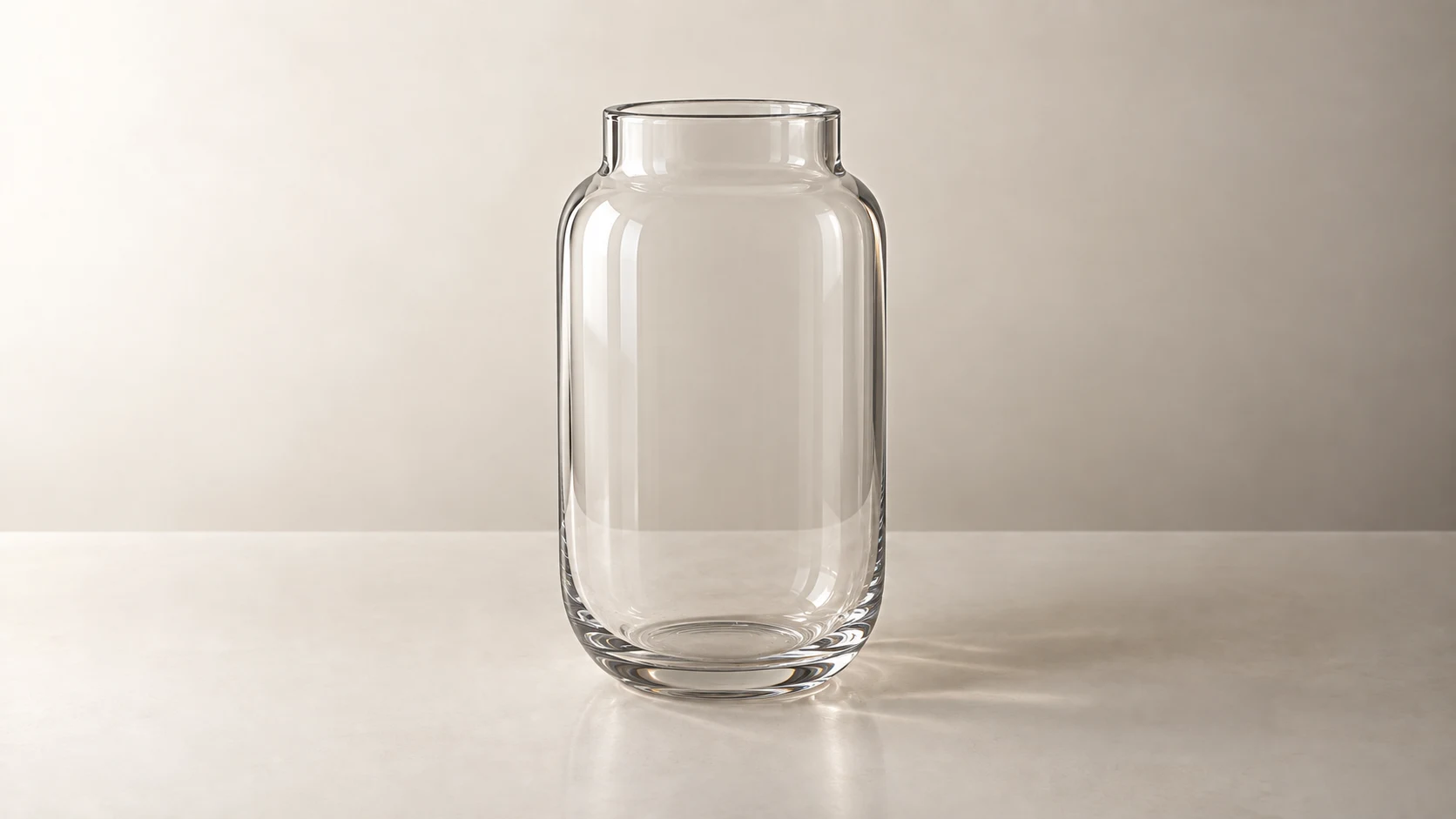
We prepared one simple form and four interpretations: transparent glass, polished metal, green glaze, and wood. We kept the cream-colored surroundings and light from the left. This makes it easier to isolate material differences from changes in the scene.
Same Form, Different Light Behavior
The reference defines height, width, neck, opening, and rounded bottom. In the prompt, we list these features before describing the new material. Otherwise, the generator might draw an entirely new product that merely fits the “vase” category.
For glass, we specify wall thickness and transparency. For metal - broad reflections of the surroundings. The glaze should have limited shine, and the wood should show clear grain. We don’t ask for identical shine across all versions.
Source Materials
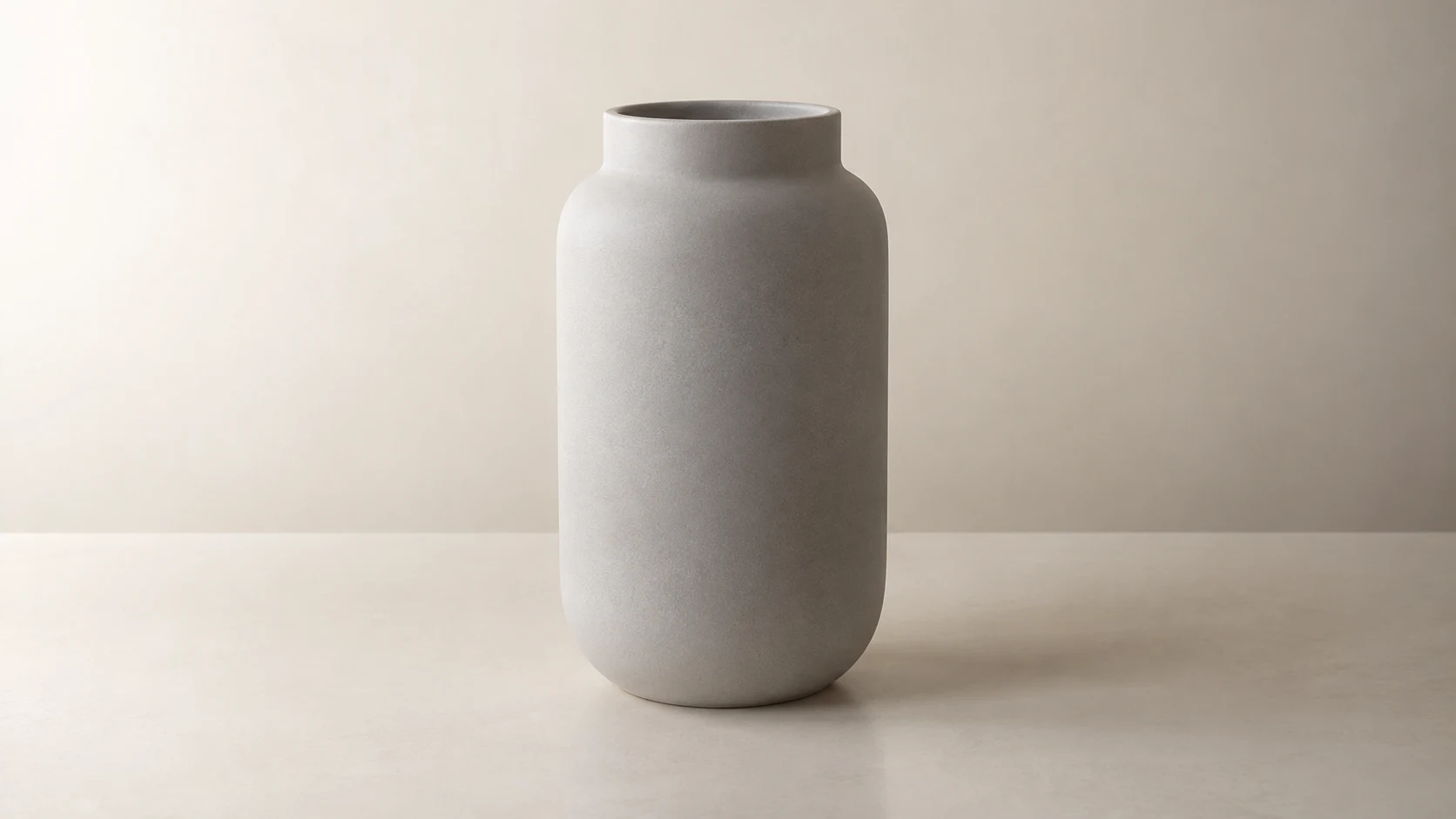
1. Transparent Glass
Attachments for this prompt, in order: Reference form for material study.
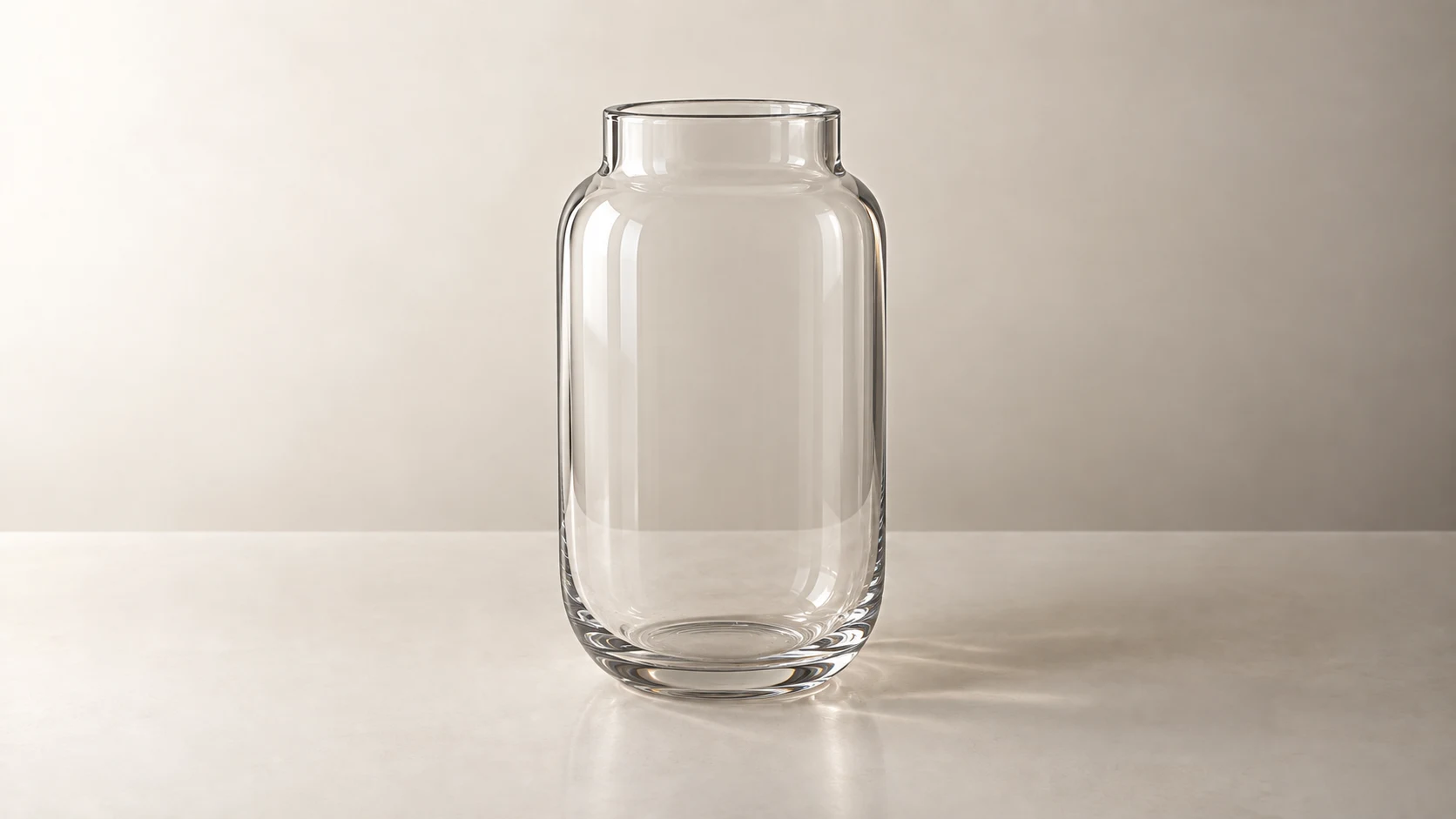
The walls and thicker bottom are readable through reflections. The background remains visible through the object, which distinguishes it from a simple bright, shiny form.
Prompt to copy:
Edit the reference, changing only the vase material to clear transparent glass with visible wall thickness, with refraction of the background view and thin bright reflections on the edges. Keep exactly its height, width, neck narrowing, opening, rounded bottom, position on the table, camera angle, and cream background. Keep the soft light source from the left; reflections and shadow should result from the new material. Empty vase without flowers. Realistic material study 16:9, no text, no new scenery, and no change in form.
2. Polished Metal
Attachments for this prompt, in order: Reference form for material study.
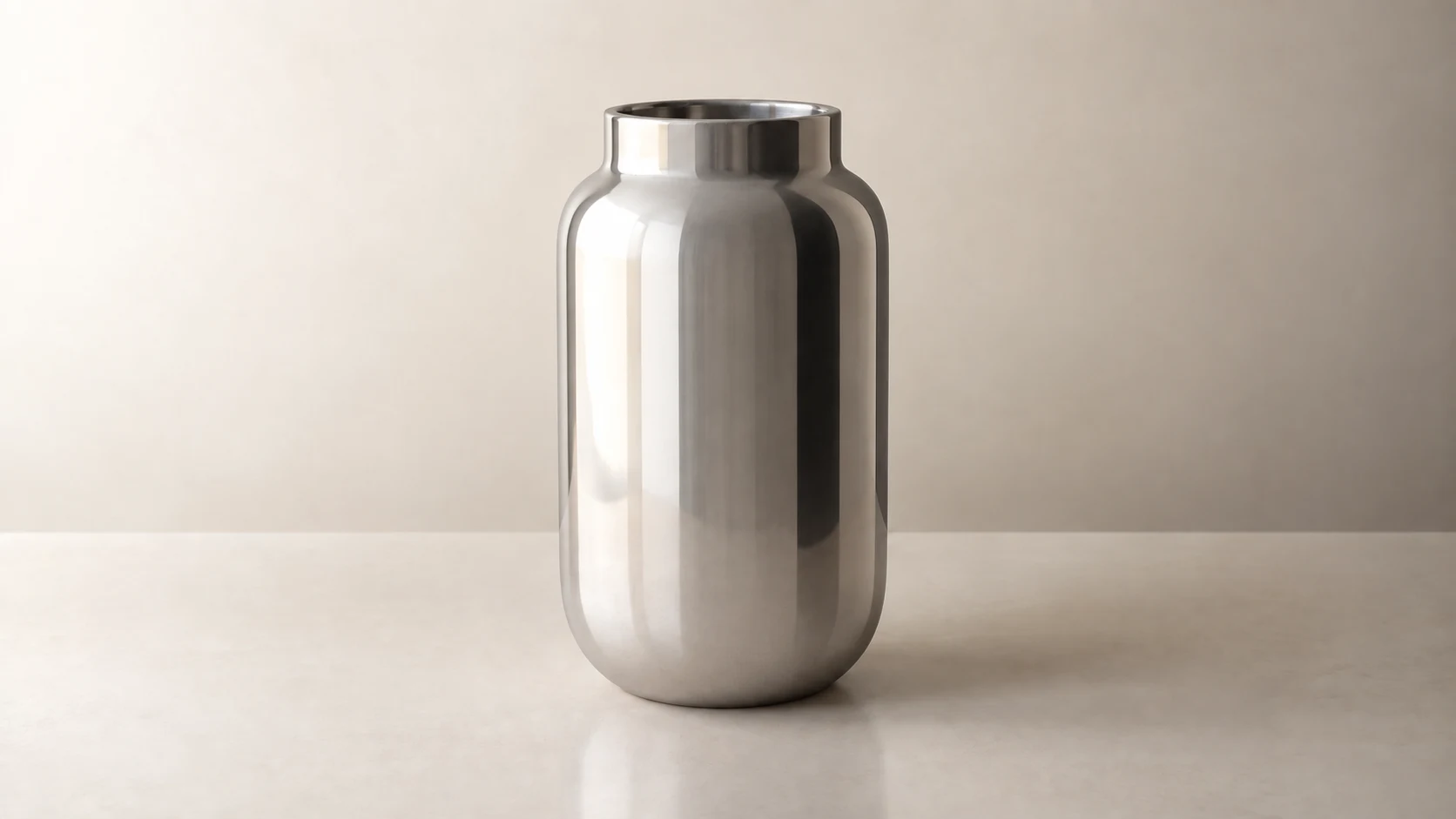
Light and dark bands emphasize the curvature. The surface looks reflective, not just painted gray.
Prompt to copy:
Edit the reference, changing only the vase material to polished steel with clear broad reflections of the bright surroundings and a darker band on the side, not gray paint. Keep exactly its height, width, neck narrowing, opening, rounded bottom, position on the table, camera angle, and cream background. Keep the soft light source from the left; reflections and shadow should result from the new material. Empty vase without flowers. Realistic material study 16:9, no text, no new scenery, and no change in form.
3. Glazed Ceramic
Attachments for this prompt, in order: Reference form for material study.
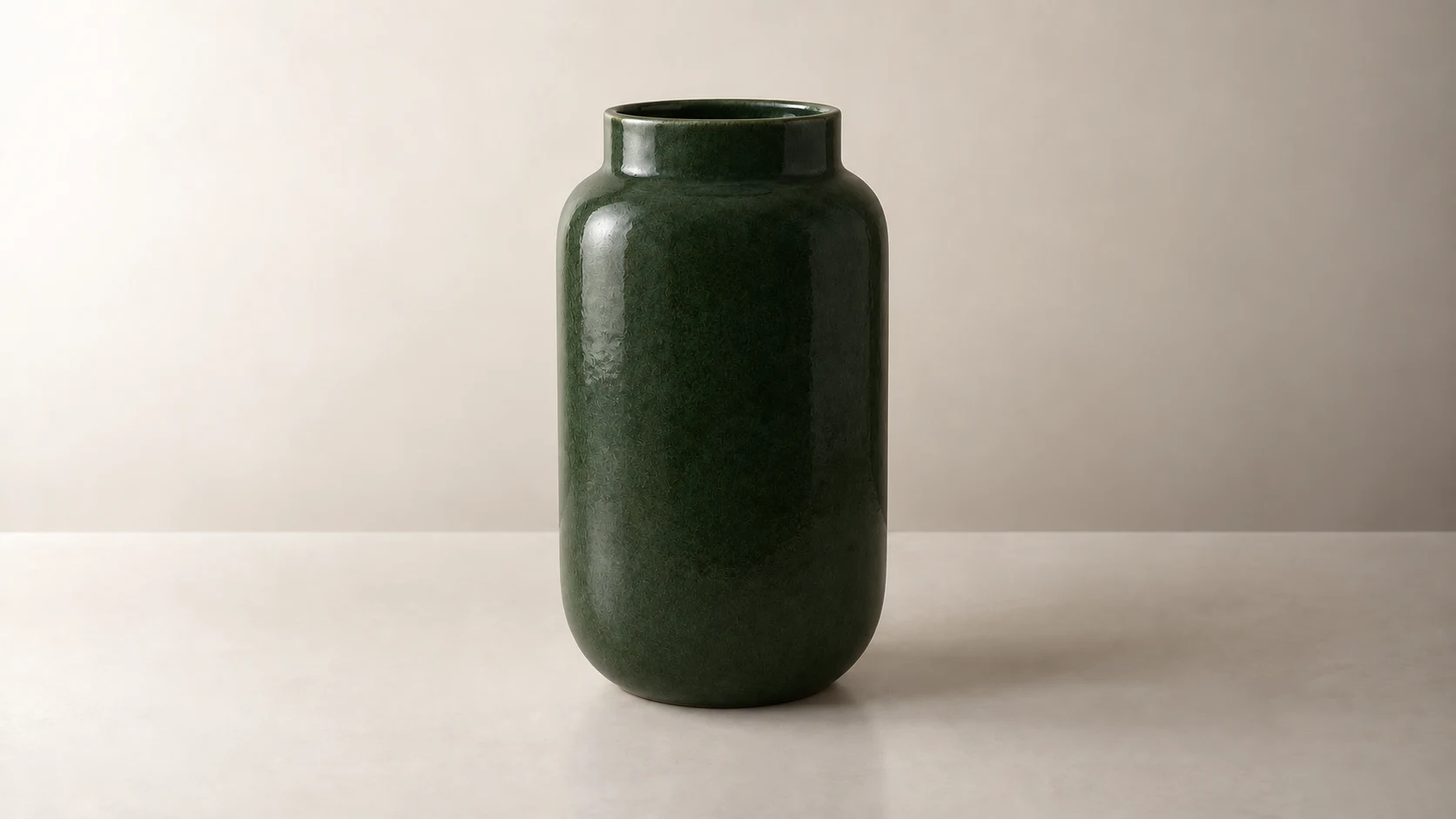
The green surface has an uneven, controlled shine. The material is distinct from metal, even though both variants reflect light.
Prompt to copy:
Edit the reference, changing only the vase material to ceramic covered with deep dark green glaze, small controlled bright light reflection, slightly uneven glazed shine. Keep exactly its height, width, neck narrowing, opening, rounded bottom, position on the table, camera angle, and cream background. Keep the soft light source from the left; reflections and shadow should result from the new material. Empty vase without flowers. Realistic material study 16:9, no text, no new scenery, and no change in form.
4. Turned Wood
Attachments for this prompt, in order: Reference form for material study.
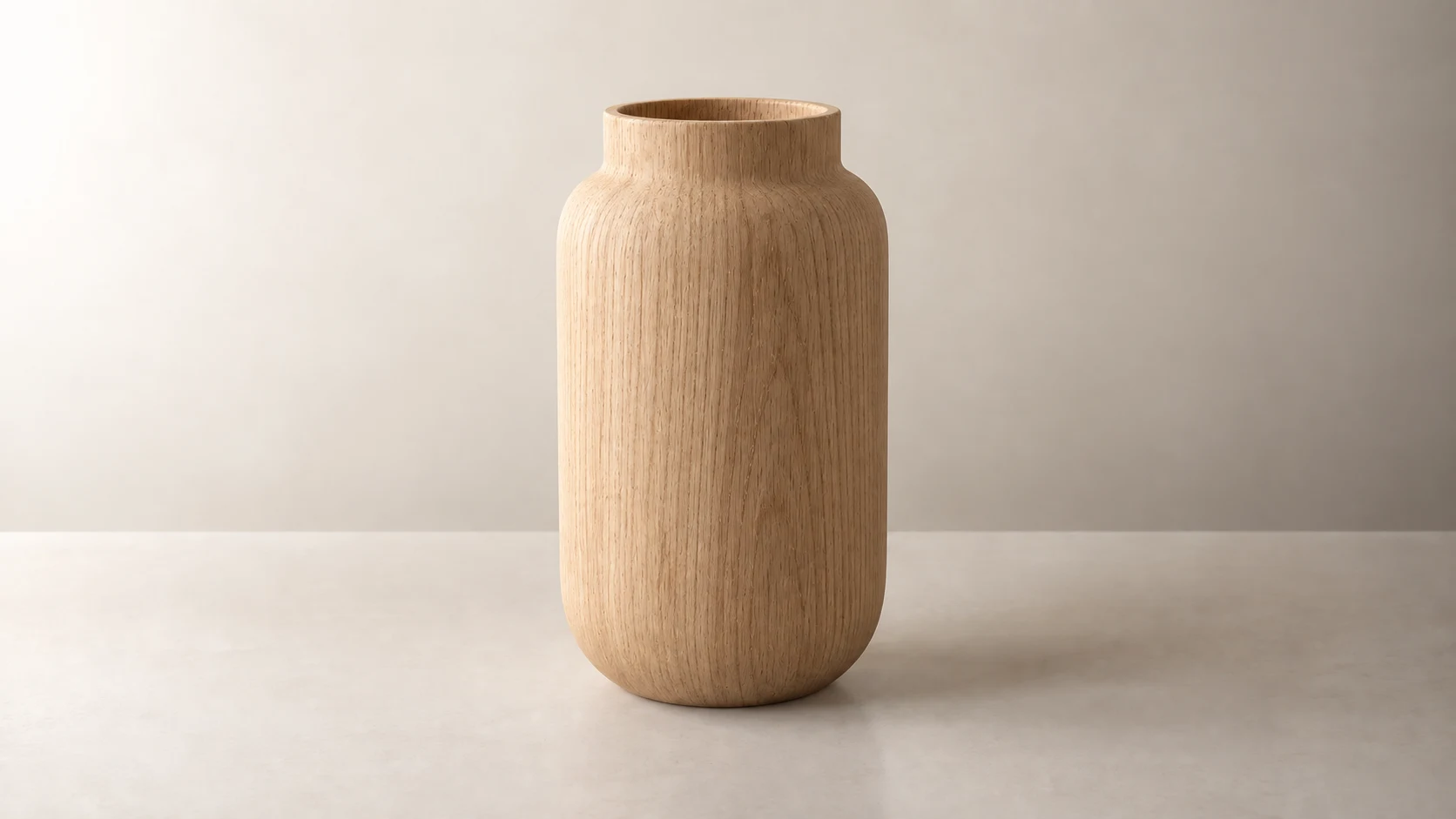
The grain runs through the form, and at the opening you can see the wall thickness. The shape remains close to the reference despite a complete change in surface.
Prompt to copy:
Edit the reference, changing only the vase material to light natural oak wood with subtle vertical grain, matte finish, visible thickness of wooden wall at the opening. Keep exactly its height, width, neck narrowing, opening, rounded bottom, position on the table, camera angle, and cream background. Keep the soft light source from the left; reflections and shadow should result from the new material. Empty vase without flowers. Realistic material study 16:9, no text, no new scenery, and no change in form.
Where to Look for Inconsistencies
With glass, we examine the opening, bottom, and view of the background through the walls. With metal - whether reflections follow the curvature. With wood, we check the direction of the grain, and with glaze, the relationship of the bright reflection to the dark surface.
The shadow can change character along with the material. So we don’t treat an identical shadow as the only proof of scene preservation. More important is maintaining the object’s position and light direction.
Google · Your sourcesQuantslant higher in your Google - one clickAdd to preferred sources →How We’d Use This Kind of Study
This is a good way to compare visual directions before building a more complex product scene. You can check whether a form looks better matte, shiny, or transparent. We wouldn’t draw conclusions from this about actual properties or the feasibility of making the object.
If the result looks like painted plastic, we specify surface behavior instead of adding the adjective “realistic.” For metal, we’d describe specific reflection bands; for glass, thickness and background visibility. This gives the model a more useful goal.
See also: Product in Hand with AI: Perfume, Can, and Headphones. 3 Prompts.


More on this from QUANTSLANT



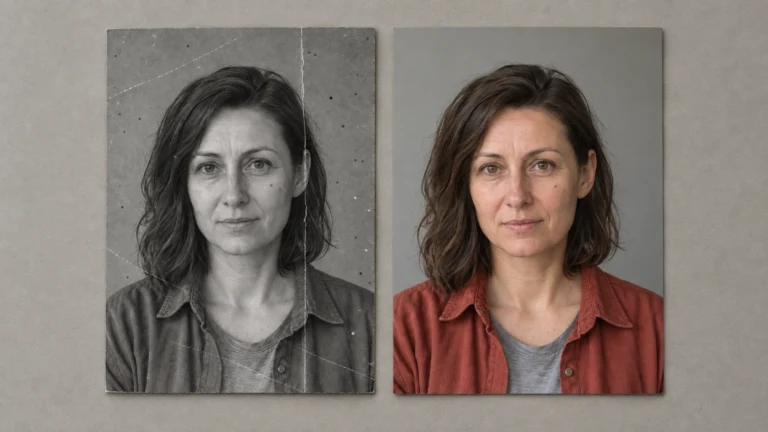 guides·AI Photo Restoration: 3 Prompts and the Limits of DetailCleaning, reconstruction or colorization? We test 3 AI photo restoration approaches on a deliberately damaged portrait and show what each method preserves.