Japanese Court: AI Voice Cloning Violates Actor’s Rights
A Tokyo court ruled that cloning voice actor Kenjiro Tsuda's voice with AI without consent violates personality rights - a first in Japanese legal history.
👁 112 reads
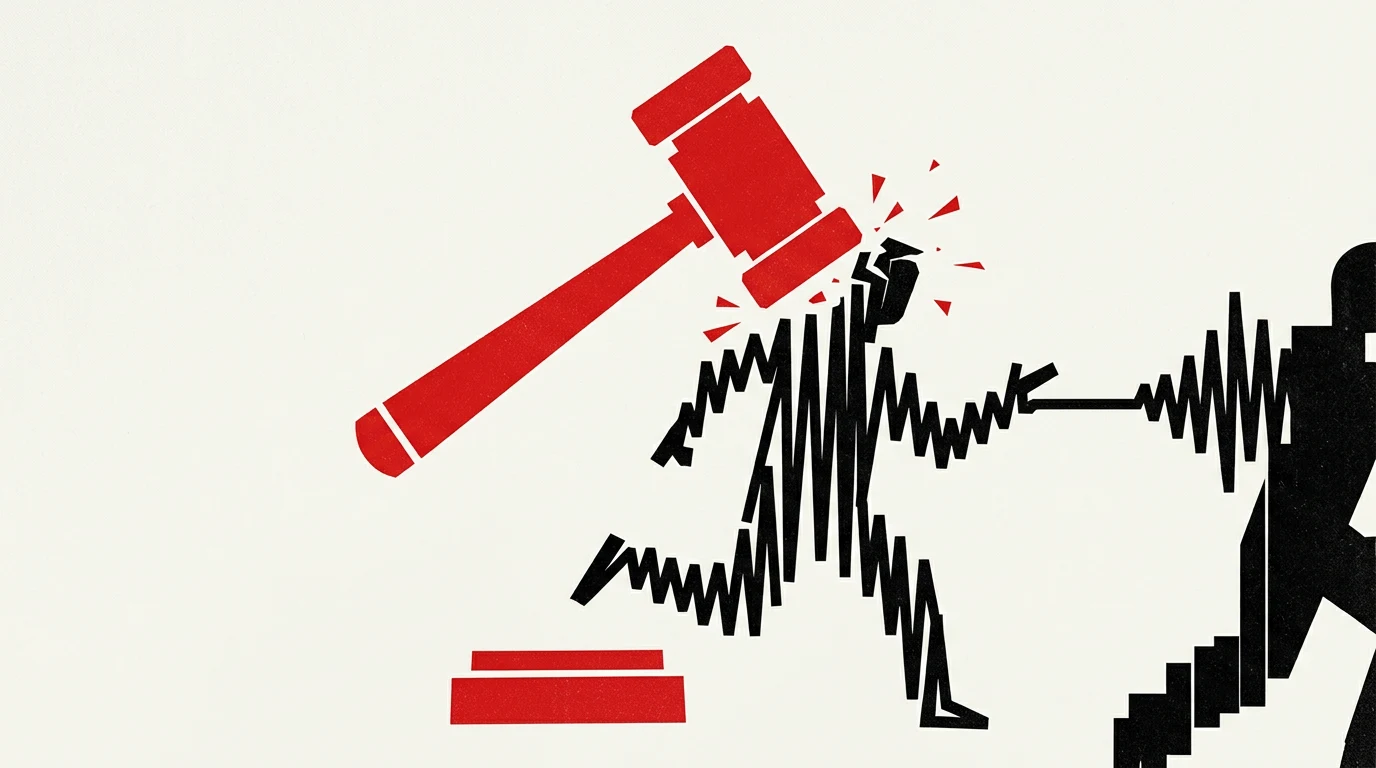
A district court in Tokyo ruled Wednesday that the voice of actor Kenjiro Tsuda - best known for voicing Kento Nanami in the anime Jujutsu Kaisen - was unlawfully copied by an AI tool, and using it without the artist’s consent constitutes a violation of personality rights. This is the first such case in Japanese legal history.
Tsuda, 55, sued an anonymous TikTok account that published 188 videos between July 2024 and September 2025. The recordings discussed urban legends, occultism, and conspiracy theories - all delivered in a voice the actor described as his distinctive “deep and lustrous baritone”. The account accumulated over 200,000 subscribers and - according to court documents cited by Kyodo news agency - generated between 75,000 and 500,000 yen in monthly revenue.
TikTok defended itself by claiming the videos contained only a “generic male voice” and any similarities to Tsuda were “highly subjective”. Judge Aya Takahashi, who presided over the case, disagreed with this argument.
“Unauthorized use of a performer’s voice can be considered a violation of personality rights,” Judge Takahashi ruled, adding that voice is “equally symbolic of a person’s identity as their portrait”.
The protection applies when the use of the voice is solely to profit from its commercial appeal. However, the court dismissed the demand to remove the materials, as the account deleted the videos shortly after the lawsuit was filed in November 2024. The account’s avatar depicted the character Nanami from Jujutsu Kaisen.
Tsuda’s lawyers described the published content as “repugnant”, pointing out that the account gained popularity exclusively by cloning a popular actor’s voice. Yuko Sasaki, executive director of the Japan Actors Union, emphasized before the verdict was announced that an actor’s voice “is the result of years of rigorous training and apprenticeship in the profession”.
TikTok stated it would “respect the court’s decision while considering next steps after detailed analysis of its content”, and announced continued work on “balancing technological development with rights protection”.
The ruling comes at a time when Japanese voice actors - who often achieve star status through anime roles - are increasingly vocal about AI imitation threatening their livelihoods and the entire industry. Lawyers and platform creators worldwide will be watching this Tokyo precedent.
One thing is certain: If voice is treated like a portrait, then AI clones are starting to look like forgery - and the law is beginning to recognize it.
Google · Your sourcesQuantslant higher in your Google - one clickAdd to preferred sources →

More on this from QUANTSLANT


 ai tools·Viggle AI: Animate Photos and Create Memes with AIViggle AI transfers motion from one video to a character in your photo. Free plan gives 5 videos daily with watermark; paid plans start at $7.99/month.