Brian Krzanich Leaves Intel in 2018: Why the CEO Resigned
Intel's CEO left in 2018 for breaking a no-relationship policy, and the board raised guidance the same day. Why analysts recalled it for Nvidia in 2026.
👁 111 reads
On June 21, 2018, at 9 a.m. New York time, Intel sent out a press release carrying two pieces of news at once. First: CEO Brian Krzanich was leaving because he had violated the company’s ban on relationships with employees. Second: the company was raising its outlook for the quarter. It remains the cleanest case in tech history of a CEO leaving over a private matter, which is why analysts brought it up in connection with Nvidia in November 2026.
A years-old relationship and one rule for everyone
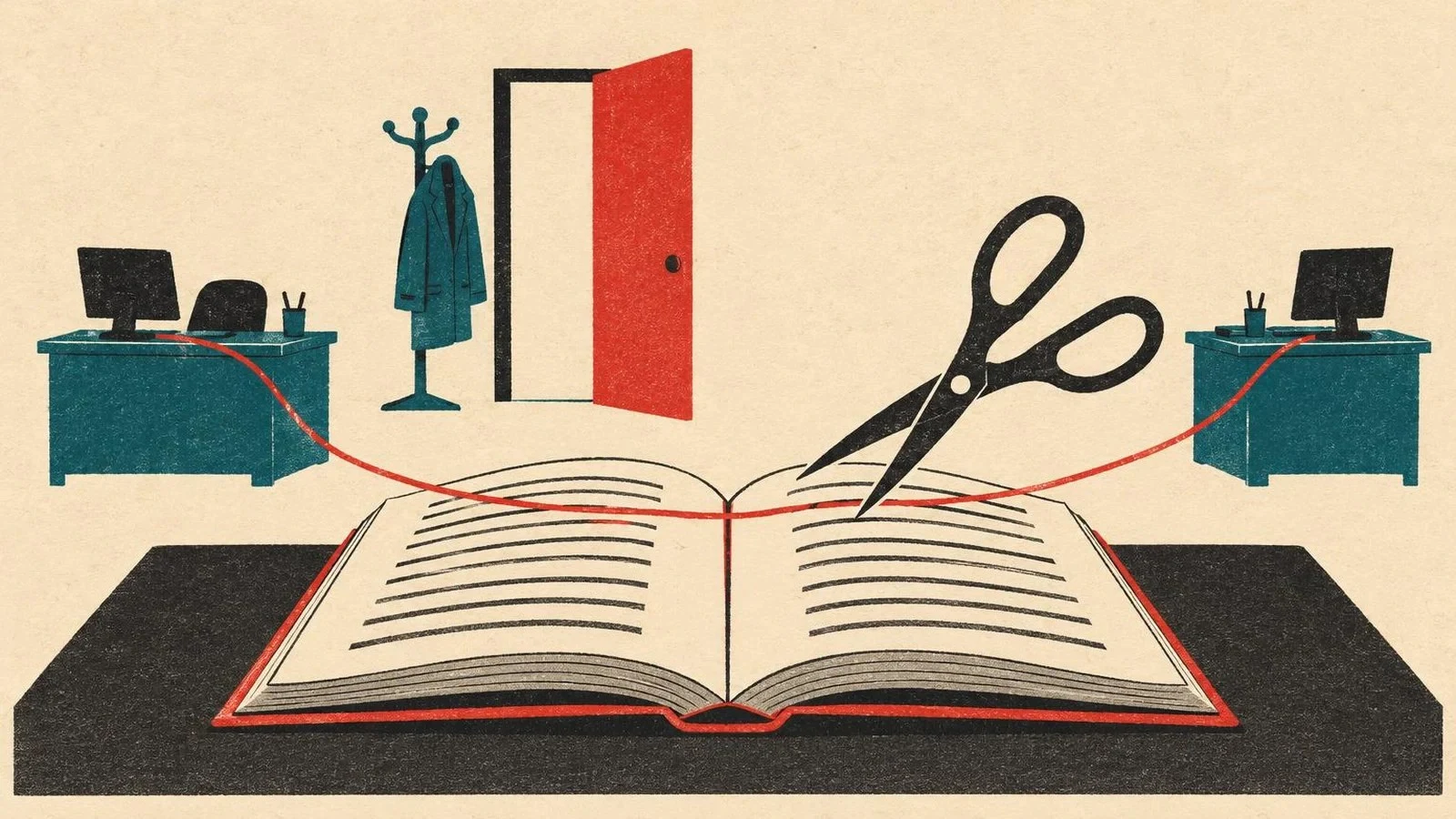
Krzanich had run Intel since May 2013. The company’s release gave the reason for his departure plainly: the board had learned of a past consensual relationship with an Intel employee, and an investigation by internal and outside lawyers confirmed a violation of a policy that “applies to all managers.” Intel did not allege any conduct against the other person’s will, did not name the employee, and did not say whether she still works at the company.
According to Reuters, citing an anonymous source, the board learned of the matter about a week earlier, and the relationship began before Krzanich became CEO and ended several years before his departure. In the Form 8-K that Intel filed with the US Securities and Exchange Commission, the resignation is dated June 20. The document gives no reason and no financial terms.
What Intel’s board did
Intel’s board did three things on the same day, and each one is a lesson today.
- It named the rule, not the man. The release talked about a policy that applies to every manager. That kept the decision from looking like a settling of scores or a moral lecture.
- It named a successor right away. Chief financial officer Bob Swan became interim CEO and kept his CFO role as well. The board said it would look for a permanent CEO among internal and external candidates and wrote that it had a “robust succession planning process.”
- It changed the subject to business. In the same release, Intel raised its second-quarter revenue outlook from about $16.3 billion to about $16.9 billion, and earnings per share from $0.85 to $0.99.
Krzanich left without severance. Intel’s 2018 proxy statement, the report to shareholders ahead of the annual meeting, states plainly that he received no separation benefits, and the board denied him an annual bonus for 2018. He forfeited 58,372 stock units from incentive plans.
How Intel stock reacted
The market took it calmly. On the eve of the announcement, Intel shares closed at $53.46. On the day of the announcement they closed at $52.19, down 2.4 percent. The next day the stock gained 0.6 percent. For comparison, when Mark Hurd left HP in August 2010, the shares lost 8 percent on the first day.
| Day | INTC close | Change |
|---|---|---|
| 6/20/2018 | $53.46 | - |
| 6/21/2018, announcement | $52.19 | -2.4% |
| 6/22/2018 | $52.50 | +0.6% |
| 6/27/2018 | $48.76 | -8.8% from 6/20 |
By the end of June the stock was down almost 9 percent from its level before the announcement, but you can’t pin that on the resignation alone. The tech market had other worries at the time, and Intel’s biggest problem was in its factories. Back in April 2018 it had pushed high-volume production of 10 nm chips to 2019. Stacy Rasgon of Bernstein commented on Krzanich’s departure by saying he would go down in history as the CEO who let Intel lose its manufacturing lead.
What happened next
Analysts doubted whether Swan would stay on permanently: he had a short tenure at the company and no background in manufacturing. On January 31, 2019, after seven months of searching, the board appointed him permanently anyway. He was the seventh CEO in Intel’s history. He led the company until 2021, when Pat Gelsinger replaced him.
Krzanich’s case was not the only one. In November 2019, McDonald’s removed CEO Steve Easterbrook over a relationship with an employee. The board fired him “without cause,” which left him with a package worth more than $40 million. When an internal investigation in 2020 uncovered further undisclosed relationships, the company sued him, and in December 2021 Easterbrook returned shares and cash worth more than $105 million. The SEC later imposed a $400,000 penalty on him and a five-year ban on holding positions at public companies. The difference between Intel and McDonald’s is that Intel dealt with the money right away, while McDonald’s had to undo its decision over two years.
What it means for Nvidia
When The New York Times described a second relationship of Jensen Huang on November 11, 2026, this time with a vice president who reported to him, analyst Patrick Moorhead recalled Krzanich. The analogy holds on one point: from that moment the story was no longer only about espionage and security, but also about rules that apply to every manager at large companies.
On other points the differences are huge. Krzanich was a hired manager; Huang is a founder who ran the company for 33 years. Intel had a board chair and a described succession process; Nvidia had no chair at all, and according to Semafor the word “succession” did not appear in its annual report. Still, both companies did the same thing on the day the CEO left: the person in charge of finance became the interim leader. At Intel that was Bob Swan, at Nvidia Colette Kress. Markets like that, because a CFO knows the numbers the company has just promised investors.
The most important lesson from 2018 is about speed. Intel’s board needed a few days from learning of the matter to announcing it, and the market lost 2.4 percent. Nvidia’s board spent four days expressing confidence in its CEO before accepting his resignation, and on the day of the announcement the stock fell 13 percent at the open. I tell the whole story of those days in the report Fifteen days that changed Nvidia.
Frequently asked questions
Why did Brian Krzanich leave Intel?
Intel said he violated a company policy that bars managers from relationships with employees. It involved a past consensual relationship with an employee. Krzanich resigned as CEO and from the board on June 20, 2018, and Intel announced it on June 21.
Who replaced Krzanich as Intel CEO?
CFO Bob Swan, first as interim CEO and, from January 31, 2019, permanently.
Did Krzanich get a severance package?
No. According to Intel’s 2018 proxy statement, he received no separation benefits and no annual bonus for 2018, and part of his stock from incentive plans was forfeited.
Sources
- Intel: Intel CEO Brian Krzanich Resigns, Board Appoints Bob Swan as Interim CEO (June 21, 2018)
- SEC: Intel Form 8-K (June 21, 2018)
- SEC: Intel proxy statement DEF 14A for 2018
- SEC: Intel Form 8-K on the appointment of Bob Swan (January 2019)
- Fortune: Intel CEO resigns (June 21, 2018)
- Reuters (Yahoo Finance): Intel CEO resigns after probe of relationship with employee (June 21, 2018)
- SEC: charges against Steve Easterbrook (Jan. 9, 2023)
- McDonald’s: settlement with Easterbrook (Dec. 16, 2021)
- SEC: HP Form 8-K on Mark Hurd’s departure (Aug. 6, 2010)
- Yahoo Finance: INTC, HPQ price history (daily closes)
Tech CEO Scandals: Tech CEO Scandals: Intel, OpenAI, Uber, WeWork, Theranos, FTX, Nvidia
More on this from QUANTSLANT


 news·Tech CEO Scandals: Intel, OpenAI, Uber, WeWork, Theranos, FTX, NvidiaSeven tech CEO scandals, one table: what happened, who acted, how the stock or valuation reacted, and what it means for Nvidia after Jensen Huang's exit.