Why Travis Kalanick Left Uber in 2017: Timeline and Investor Revolt
Five investors, a letter and a few hours of talks: how Travis Kalanick lost the Uber CEO job in 2017 without a board vote, and what it did to Uber's valuation.
👁 111 reads
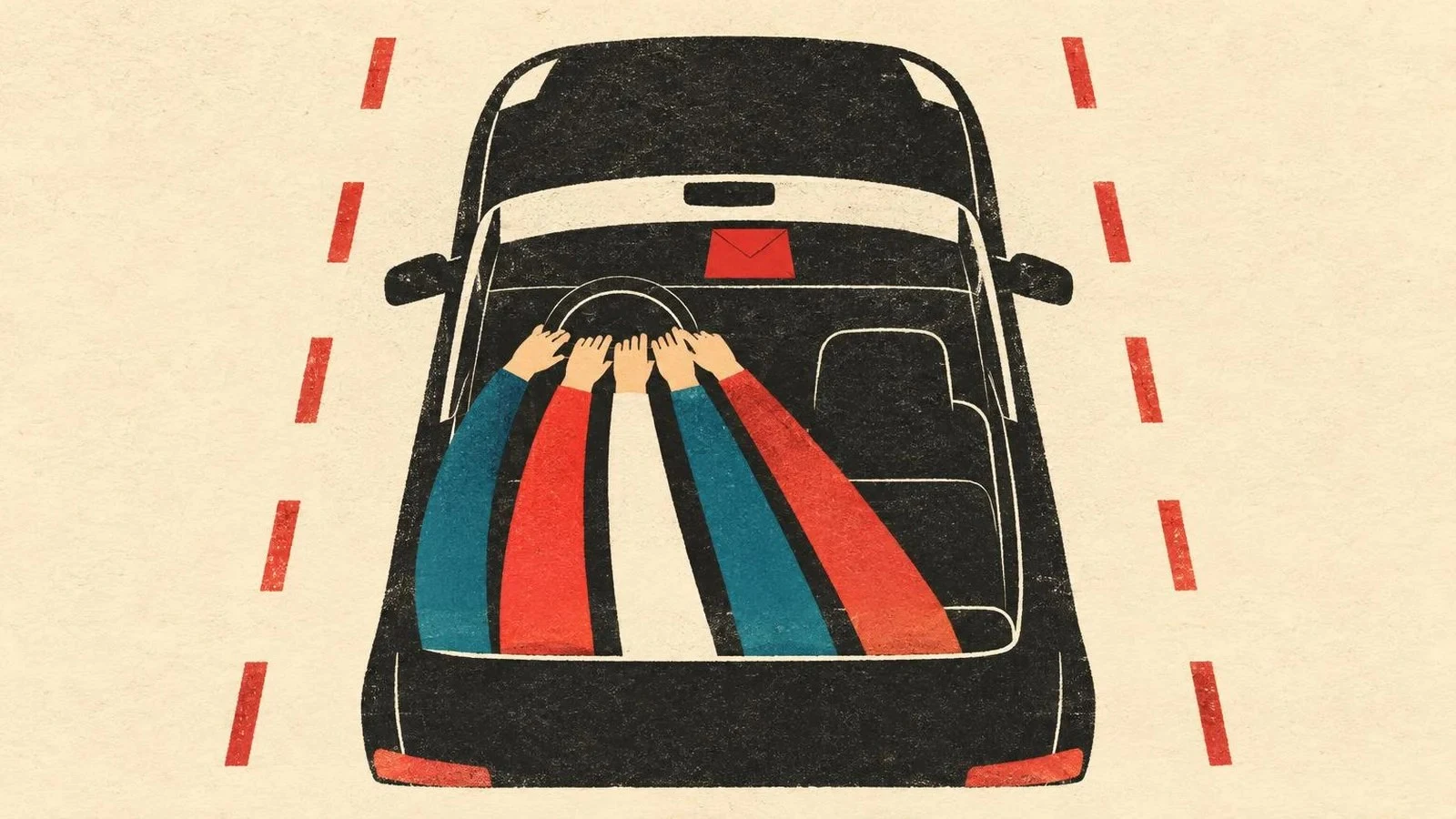
On June 20, 2017, Travis Kalanick was in Chicago when he received a letter titled “Moving Uber Forward.” Five of Uber’s biggest investors, Benchmark among them, demanded that he step down as CEO immediately. After several hours of talks, he agreed. It was the end of the most high-profile fight over company culture in Silicon Valley history, and a good example of how a founder can be pushed out without a board vote.
Four months of scandals that added up
There was no single scandal. There were several, one after another, and each one added weight to the last.
- February 19, 2017. Former engineer Susan Fowler published a post on her blog about harassment by her manager. She wrote that HR treated it as the manager’s first offense because, in her account, he was a strong performer, and that it ended with a warning.
- Late February. Bloomberg published dashcam footage of Kalanick arguing with an Uber driver about falling fares. Kalanick later wrote to employees that he needed to change fundamentally as a leader and grow up.
- March. The New York Times described Greyball, a tool Uber used to tag and evade officials inspecting ride services. In May, according to Reuters, the Department of Justice opened an investigation into it.
- In the background. Waymo, Google’s self-driving car company, sued Uber for trade secret theft. The settlement in February 2018 cost Uber 0.34 percent of its equity.
What Uber’s board did
Uber’s board did exactly what lawyers advise in a situation like this: it commissioned an independent investigation. It was led by former U.S. Attorney General Eric Holder of the law firm Covington & Burling. The report was based on more than 200 interviews and 3 million documents, and it made 47 recommendations: an independent board chair, new independent directors, a chief operating officer as a partner for the CEO, shifting some of Kalanick’s duties to other executives, and a ban on relationships between managers and their subordinates.
On Sunday, June 11, 2017, the board met at Covington’s office in Los Angeles and unanimously adopted all the recommendations. The report did not call for Kalanick to leave. On June 13, Kalanick announced an indefinite leave of absence. In an email to employees, he wrote that he needed time to grieve his mother, who had died in a boating accident in May.
A week later it turned out that investors did not intend to wait for the leave to end. According to media reports, five funds signed the “Moving Uber Forward” letter, including Benchmark, which held a board seat. Kalanick resigned as CEO but stayed on the board. He wrote that he loved Uber more than anything in the world. The company was left without a CEO, a chief operating officer, a chief financial officer and a head of marketing.
The board adopted 47 recommendations. A letter from five investors removed the CEO.
The fight over board seats
Leaving the CEO job did not end the matter, because Kalanick kept his influence over the board. In June 2016 the board had been expanded from eight to eleven seats, and he received the right to fill three of them on his own. On August 10, 2017, Benchmark sued him in Delaware court, claiming it had agreed to expand the board only because Kalanick had concealed serious irregularities from investors. Kalanick’s spokesperson called the lawsuit entirely without merit.
At the end of August, the board unanimously chose a new CEO: Dara Khosrowshahi, head of Expedia since 2005. In the end, though, money settled the power struggle. When SoftBank bought a large stake in Uber in January 2018, the deal also brought new governance rules: an end to shares with extra votes, a larger board, and Kalanick’s picks for board seats subject to approval by the full board. Benchmark withdrew the lawsuit with prejudice, so it cannot be refiled. Kalanick left the board at the end of 2019 and sold all of his shares, which according to Uber were worth about $3 billion.
Uber’s valuation before and after
Uber was a private company at the time, so there is no daily share price to show how the market reacted. There are, however, valuations from successive deals, and they say enough.
| Moment | Uber valuation |
|---|---|
| June 2016, funding round with Saudi fund PIF | about $68 billion according to the WSJ ($62.5 billion according to Uber, which used a different calculation method) |
| Last private round before the crisis | about $69 billion |
| December 2017, SoftBank share purchase | about $48 billion, roughly 30 percent lower |
| May 2019, IPO | $45 per share, about $82 billion on a fully diluted basis |
| End of the first trading day, May 10, 2019 | $41.57 per share, 7.6 percent below the offering price |
SoftBank bought shares from existing shareholders at a discount of about 30 percent to the last valuation. Some investors agreed because they wanted out of a company that had lived through scandals all year, and a new CEO was only just starting. In 2018, bankers talked about an IPO valuing Uber at up to $120 billion. It ended at less than $70 billion after the first day of trading.
What the Uber case teaches about Nvidia
At Uber, the founder was pushed out by owners, not by the board. Five investors did what the board did not want to do on its own: the Holder report described how to limit the CEO’s power but did not call for his departure. At Nvidia it was the other way around. It was the board that launched the investigation, it was the board that, according to the Wall Street Journal, was preparing a removal, and it was the board that accepted the resignation. I found no reports of a major Nvidia shareholder publicly demanding the CEO’s departure.
The two cases share a problem: the day after the departure. After June 20, 2017, Uber had no CEO and was missing half of its leadership, and it searched for a successor for more than two months. Nvidia had no chief operating officer, and according to Semafor more than 50 people reported to Huang. At both companies, succession planning got serious only when it was needed immediately. Nvidia at least named an acting CEO on the day of the departure: CFO Colette Kress. I cover the chronicle of those days in the report Fifteen days that changed Nvidia.
Frequently asked questions
Why did Travis Kalanick leave Uber?
After a series of scandals in 2017, from Susan Fowler’s post about harassment to the investigation into the Greyball tool, five major investors sent him a letter on June 20, 2017, demanding that he step down immediately. Kalanick agreed the same day.
Who replaced Kalanick as Uber CEO?
Dara Khosrowshahi, previously CEO of Expedia, chosen by Uber’s board at the end of August 2017.
How much did Kalanick make from Uber?
At the end of 2019 he sold all of his Uber shares. According to the company, his stake was worth about $3 billion.
Sources
- Susan Fowler: Reflecting on one very, very strange year at Uber (Feb. 19, 2017)
- TechCrunch: Uber’s board votes unanimously to adopt all recommendations of Holder report (June 11, 2017)
- CNBC: full text of the Holder report (June 13, 2017)
- TechCrunch: Uber CEO Travis Kalanick resigns (June 20, 2017)
- Bloomberg: Uber CEO Kalanick relinquishes power after an investor mutiny (June 21, 2017)
- CBS News: Benchmark sues Kalanick (Aug. 10, 2017)
- TechCrunch: Uber confirms Khosrowshahi will be its new CEO (Aug. 29, 2017)
- TechCrunch: SoftBank’s big investment in Uber comes to a close (Dec. 28, 2017)
- TechCrunch: Benchmark’s lawsuit against Kalanick dismissed (Jan. 25, 2018)
- Crunchbase News: Uber prices IPO at 45 dollars per share (May 9, 2019)
- Axios: Uber ends first day of trading lower (May 10, 2019)
- CNBC: Travis Kalanick to depart Uber board (Dec. 24, 2019)
Tech CEO Scandals: Tech CEO Scandals: Intel, OpenAI, Uber, WeWork, Theranos, FTX, Nvidia
More on this from QUANTSLANT


 news·Sam Altman Fired and Rehired: What Happened at OpenAI in November 2023Fired on a Friday video call, back as CEO five days later: the timeline, the review findings and what the OpenAI board crisis shows about power.