AI Logo Generator Test: Six Variants, One Hidden Problem
We generated six variants of one logo with AI. They look like a family, but letter proportions and details differ. Here's what works and what doesn't.
👁 116 reads
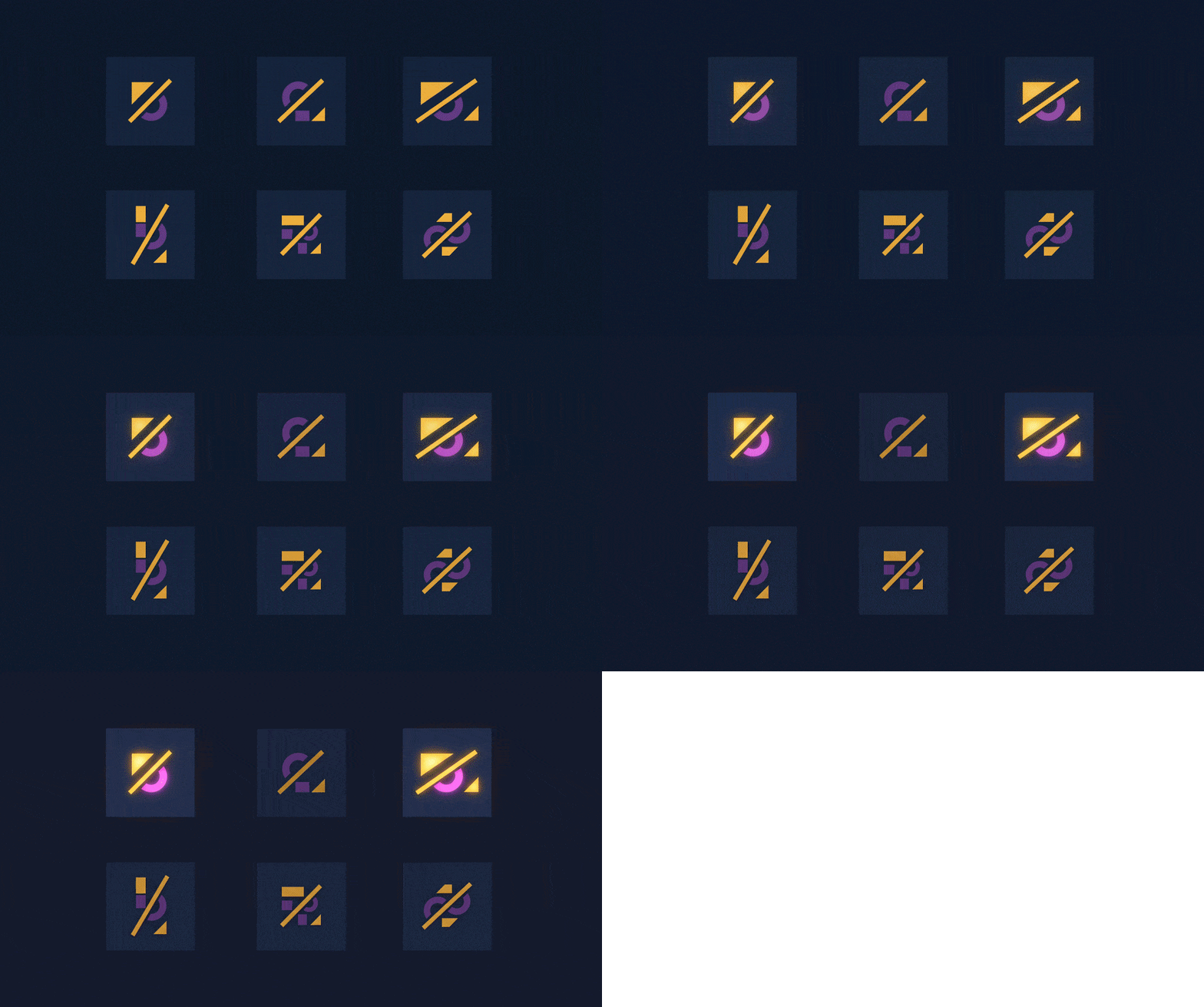
We generated six logo variants for a fictional coffee roastery: an icon, text-only version, monogram, horizontal layout, negative, and stamp. All should be the same mark in different applications, because that’s what visual identity means. The result shows exactly where the usefulness of generators ends in this kind of work.
Seven variants of one mark
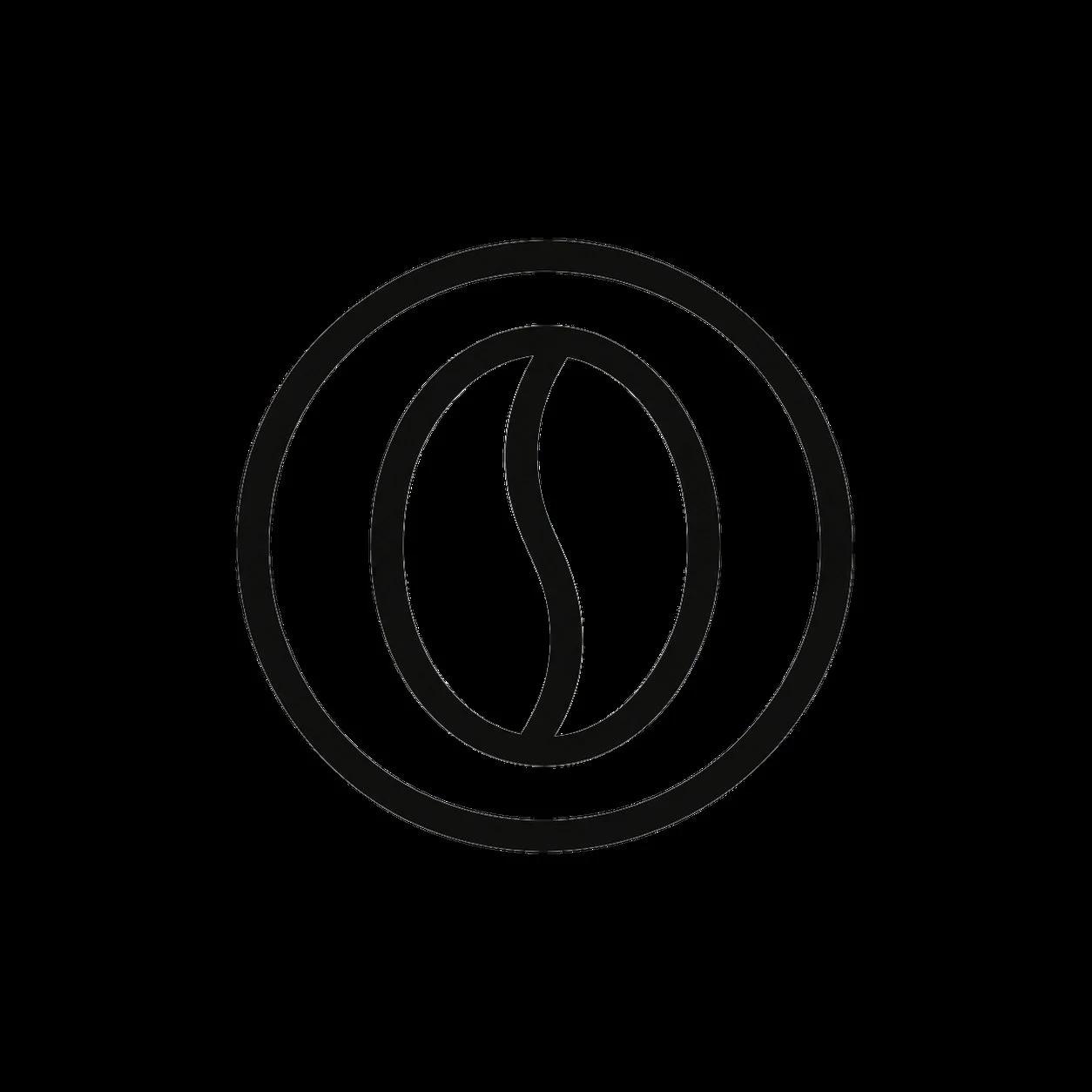
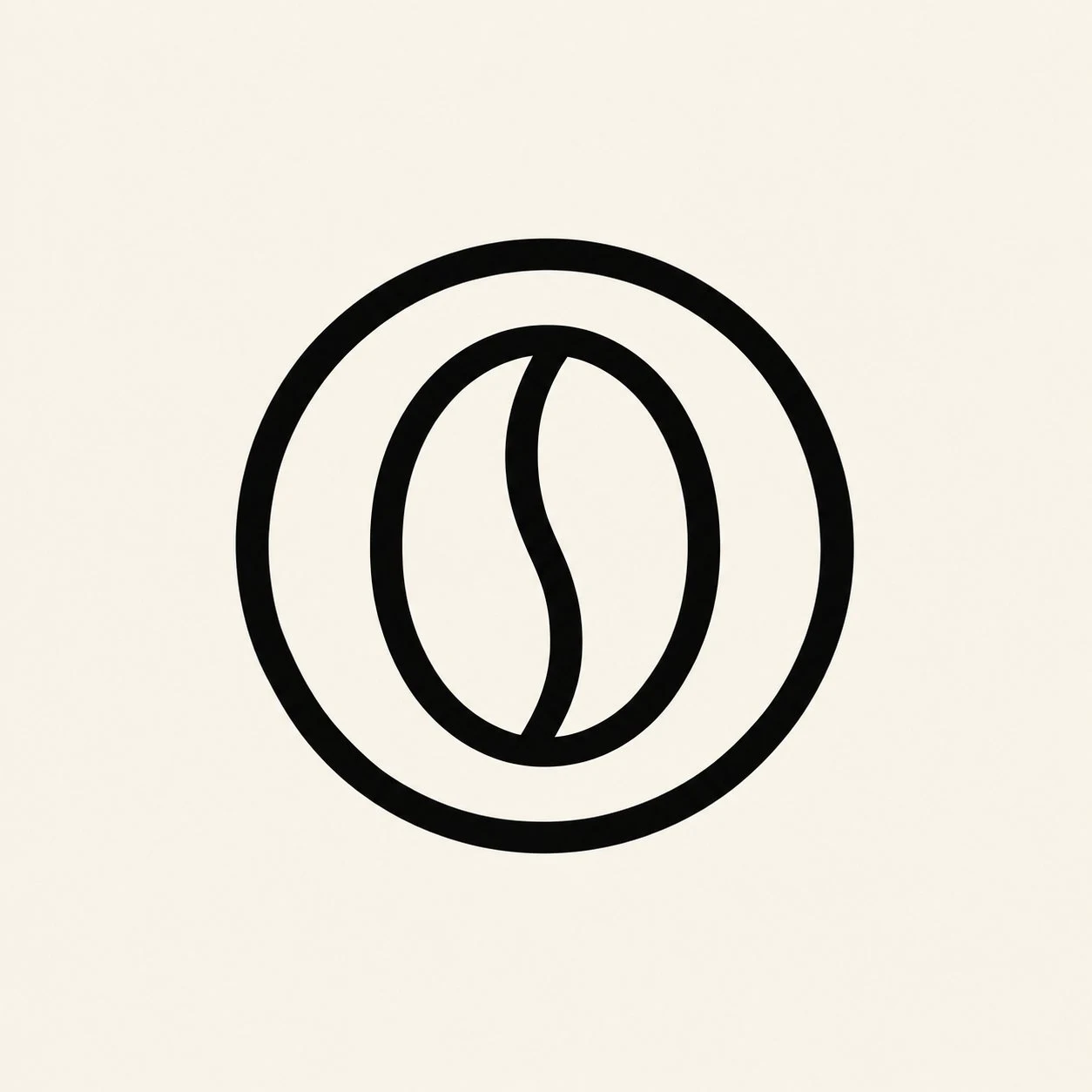
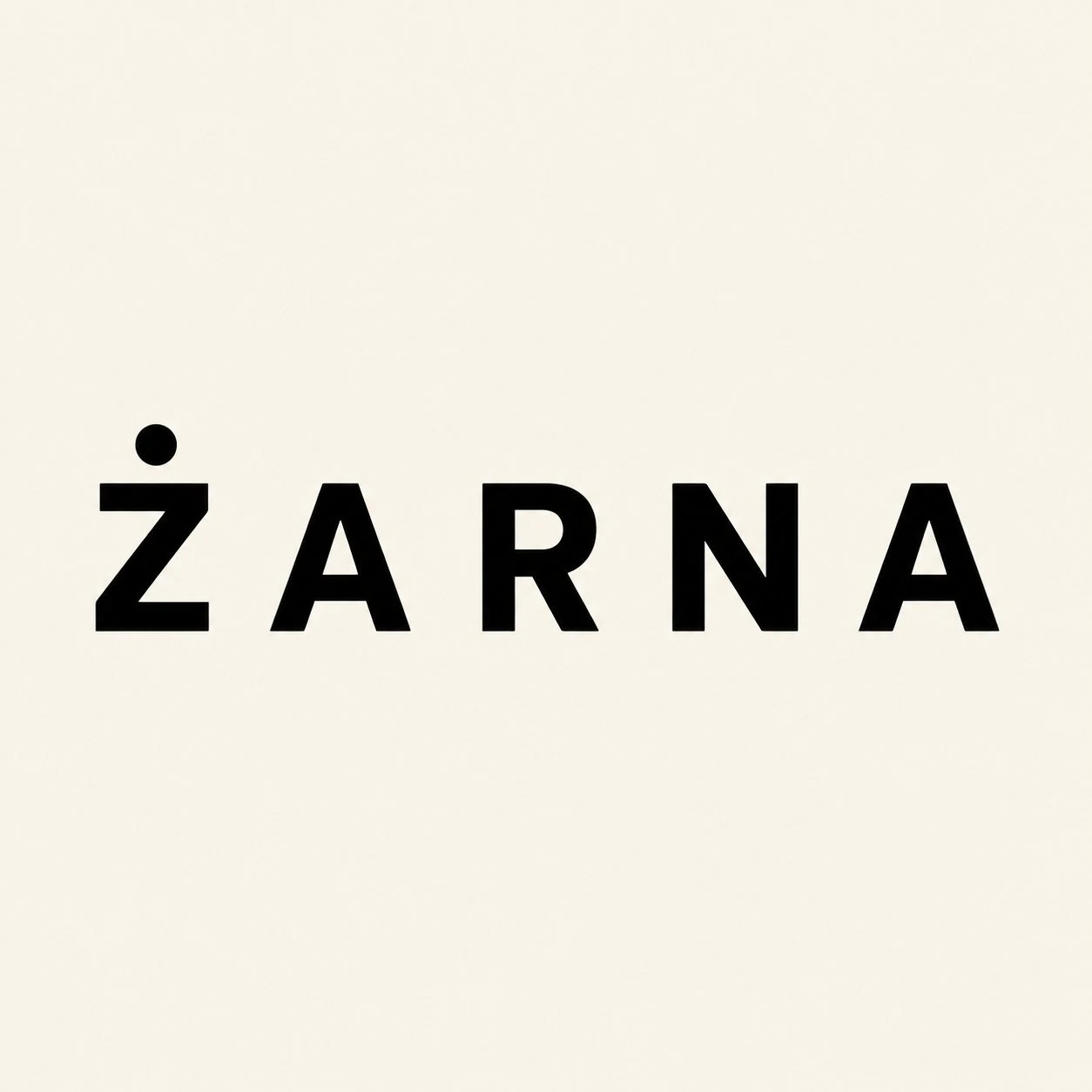
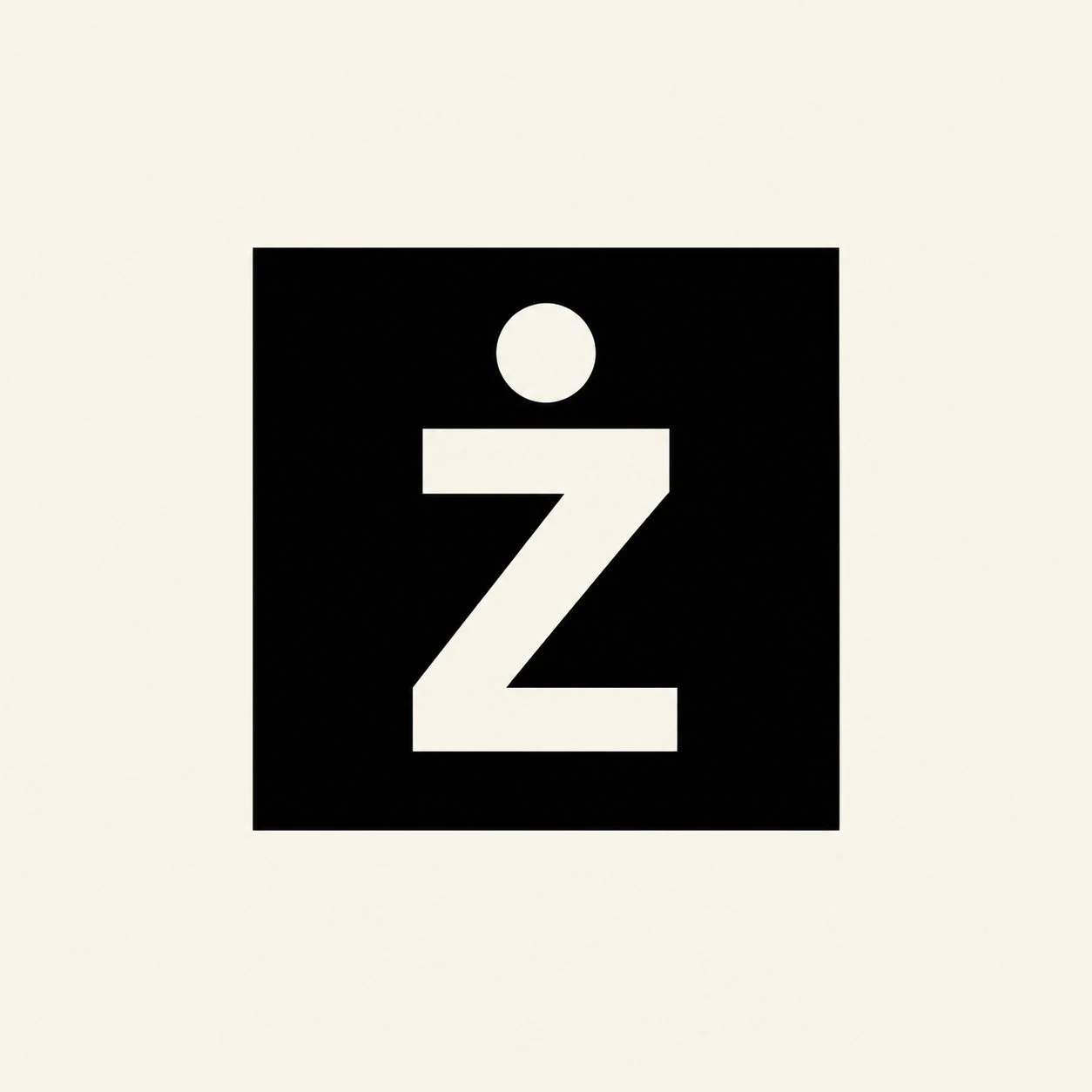
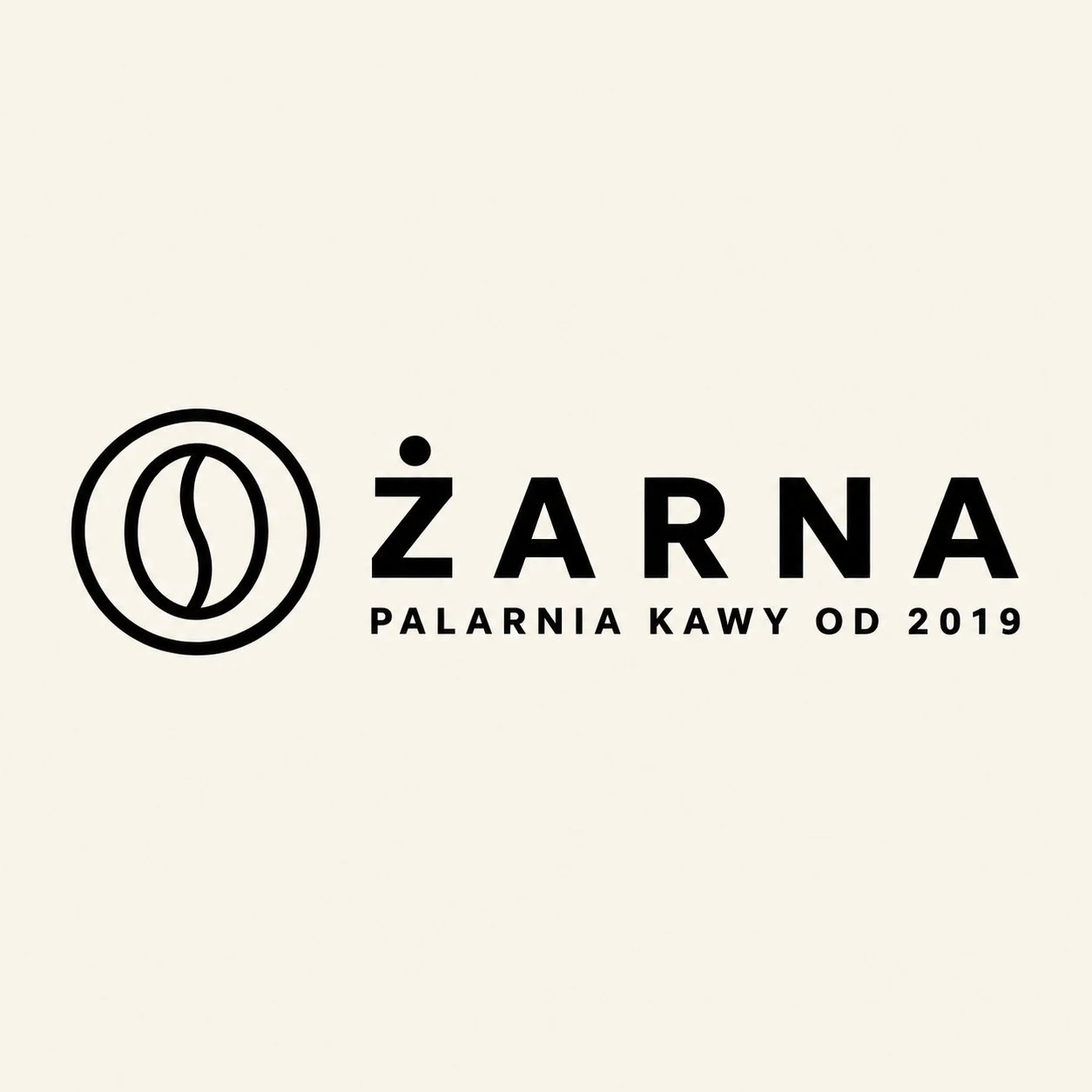
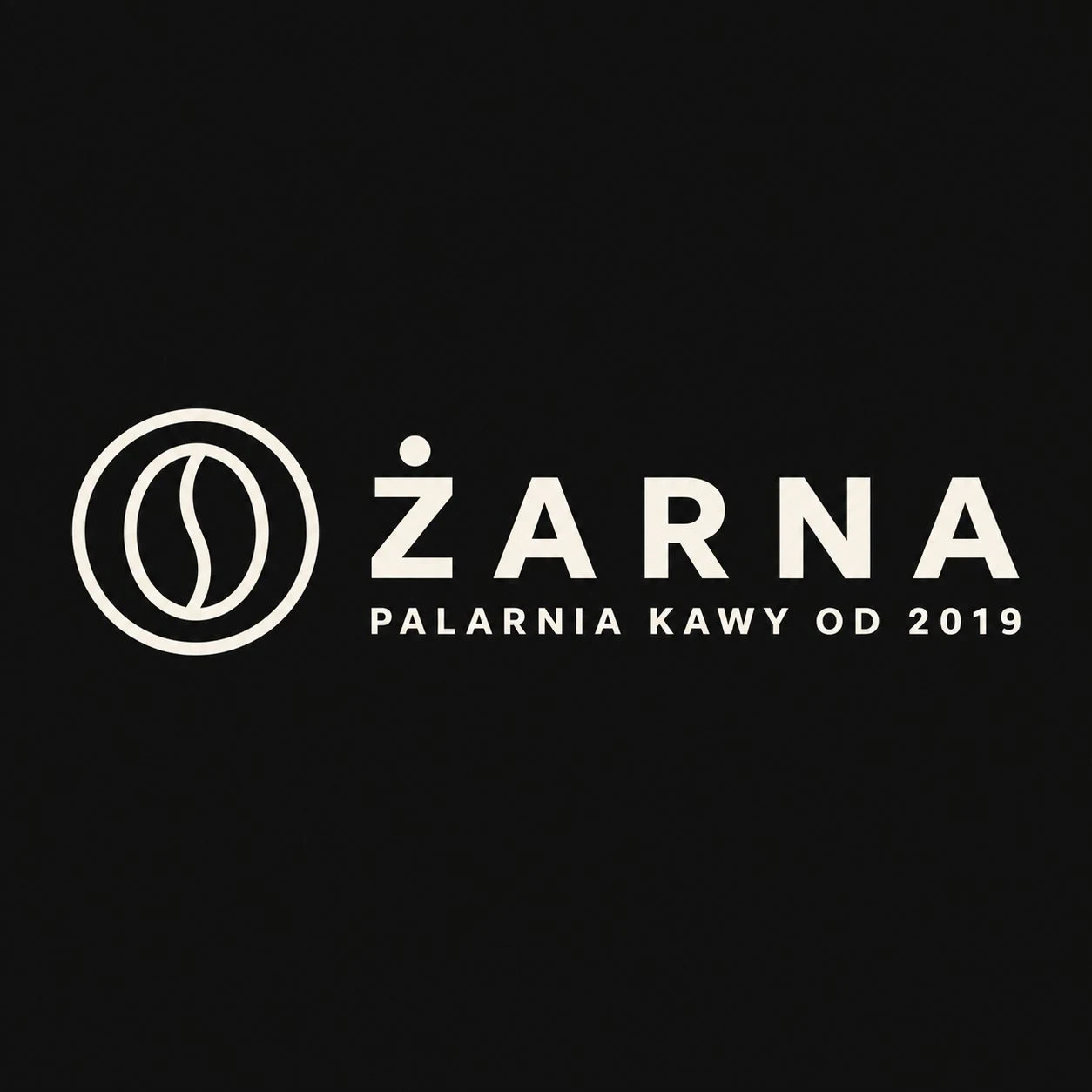
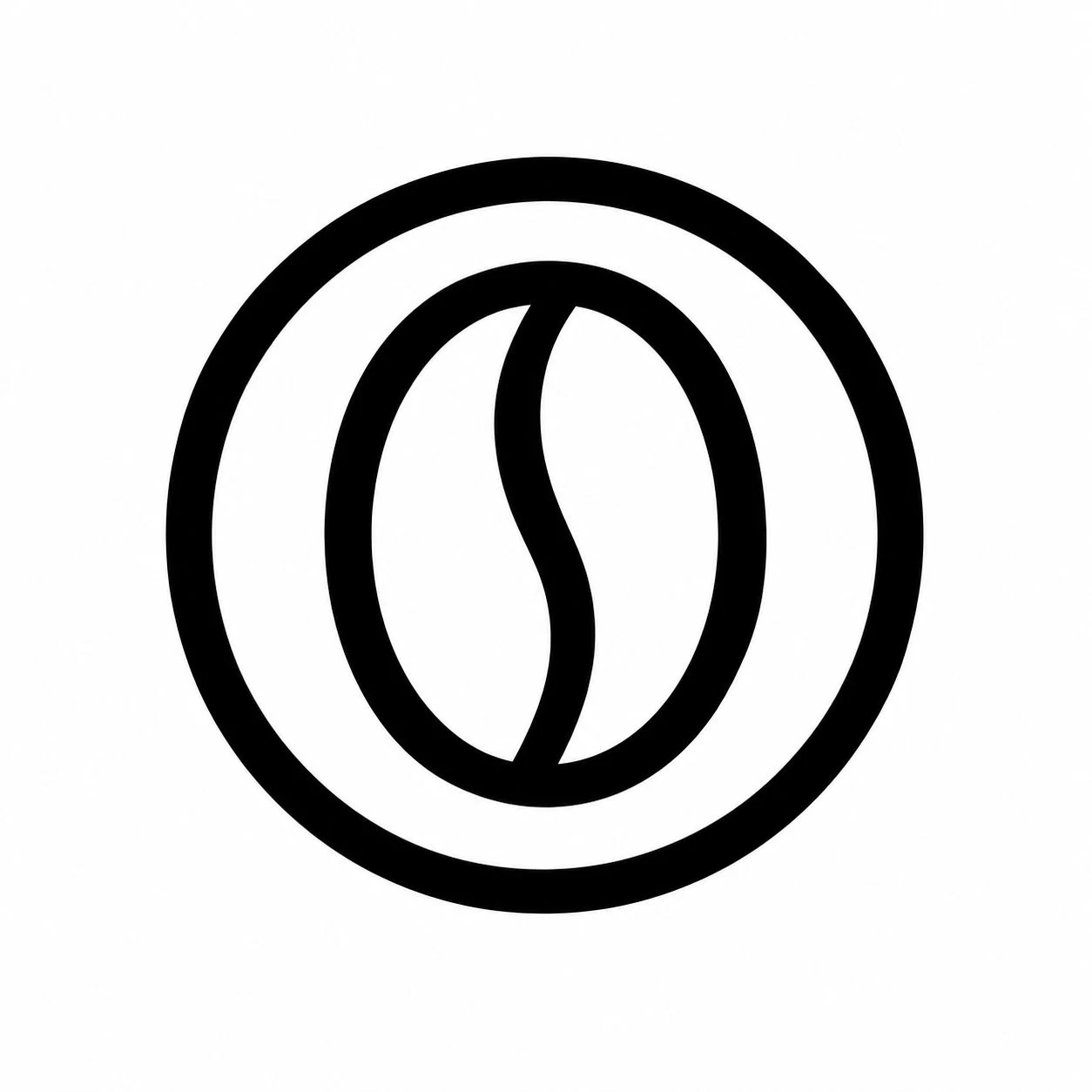
Letters are stylistically consistent but not identical
This is the core problem and also the most precise description of what’s happening. The variants look like a family. Typeface, weight, character - everything matches. But letter proportions and the size of the dot above the Ż differ between variants. The most consistent were the horizontal version and the negative.
In a logo, this is the difference between “almost” and “yes”. A brand mark must be identical on a business card, on a sign, and on an invoice, because otherwise it stops being a mark and becomes an illustration about a mark.
Diacritics handled correctly
The dot above the Ż came out correctly in four variants containing letters. The remaining two were pure icons without text, so there was nothing to evaluate. For brand names with diacritical marks this matters, because until recently generators most often dropped diacritics in lettering.
What this works for and what it doesn’t
It works for the exploration phase: generating twenty directions in fifteen minutes, choosing two and showing the client which way we’re going. This genuinely shortens the most frustrating part of a project.
It doesn’t work for the final mark. A logo must be a vector file with controlled curves, consistent spacing, and one unchanging version of each element. The generator gives you an image, not a system. I describe tools working with vectors in the guide to Recraft, and the whole category in the article about AI image generators.
Google · Your sourcesQuantslant higher in your Google - one clickAdd to preferred sources →Disclaimer
Test conducted with OpenAI’s built-in graphics tool, which does not disclose the model version. The brand is fictional to avoid reproducing someone else’s trademark.
More on this from QUANTSLANT
 benchmarks·GLM 5.3 Real Cost: Three Numbers Don’t Match the Model CardWe tested GLM 5.3 and found the advertised price, context window, and performance don't match what you actually get. Here's what you'll really pay.