Qwen-Image-2.1 Tested: Ten Frames from Ten Different Worlds
From product photography to vector illustration. Where the model excels and where it shows its limits - with ratings and ten examples.
👁 117 reads
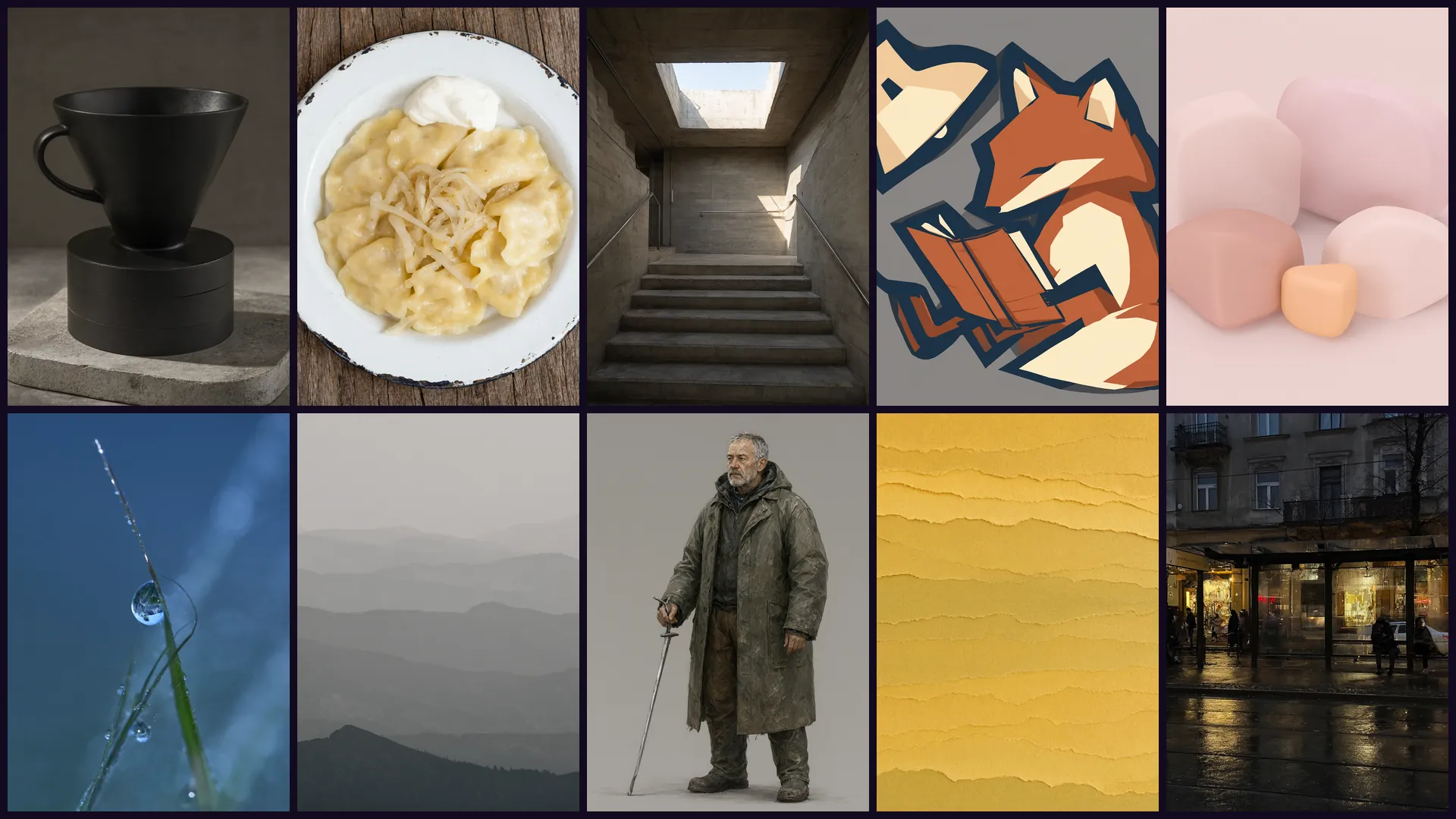
Benchmarks say Qwen-Image-2.1 scores 60.28 points. That’s a number that means nothing until you see what the model actually outputs. We ran ten frames through it from ten different worlds - from product photography to vector illustration - to see where it’s strong and where the seams show.
Verdict in One Paragraph
It’s strongest in product photography and architecture, weakest in graphics that should look hand-made. Product shots, interiors and macro come out at a level we’d take for real without a caption. Vector illustration and 3D renders are correct but generic - they look like hundreds of similar ones. Each of these frames took 40-80 seconds and cost a fraction of a cent, so the barrier to testing your own use case is close to zero.
Photography: Where the Model Is Strongest
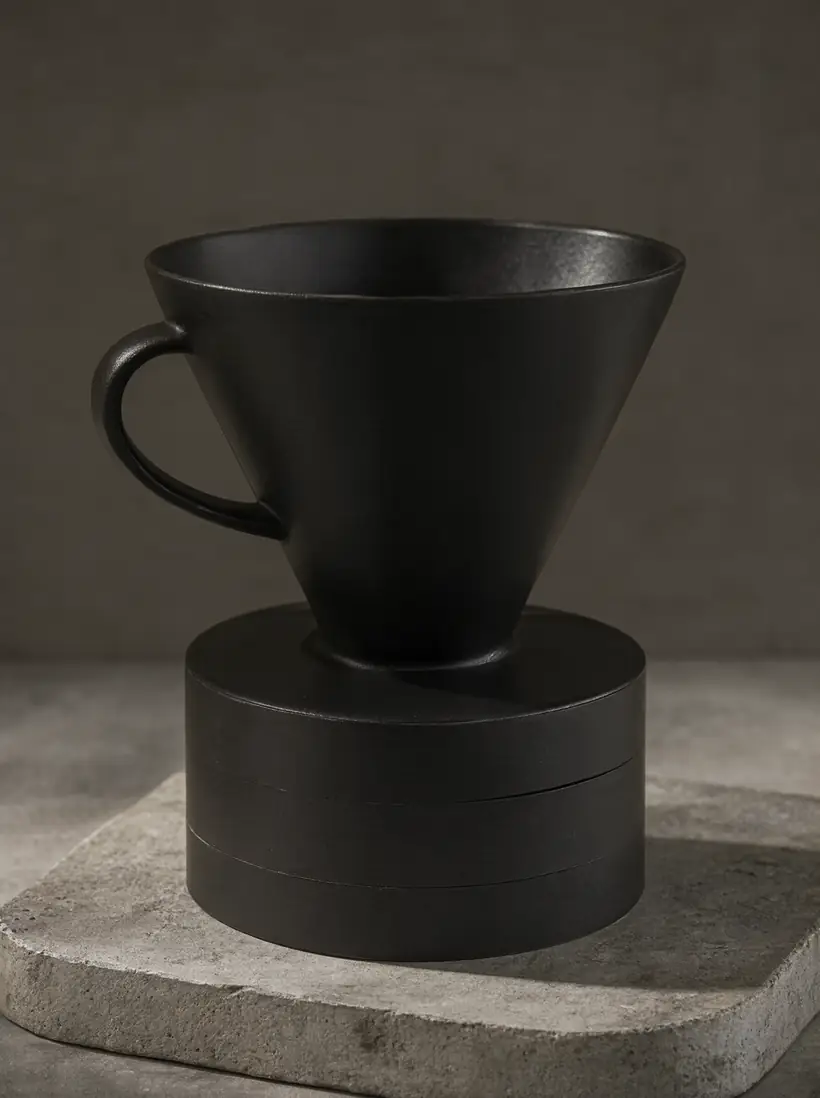
Product shot: matte ceramic dripper, one hard light from the right, deep shadow on concrete. Catalog-level quality.
Product photography tests material and light at once. Matte ceramic can’t shine like glass, and the shadow must have the right edge sharpness. Both conditions met - this is a frame that would enter a product page without reservations.
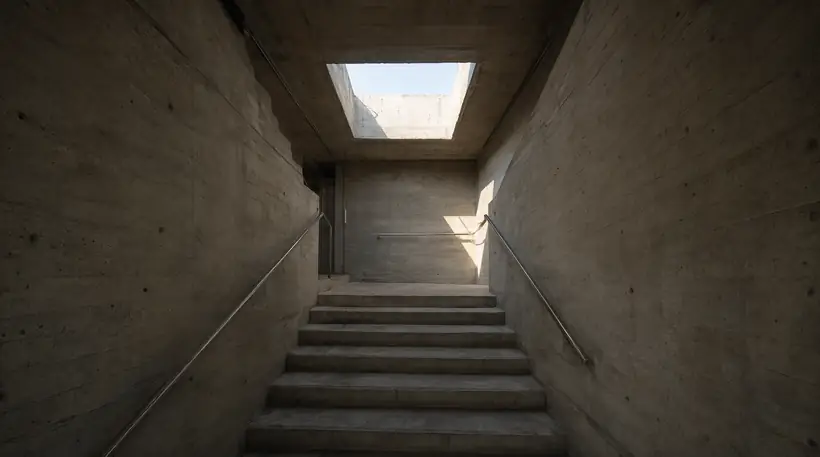
Brutalist stairwell with a single skylight, sharp afternoon light, wide frame, no people.
Architecture came out equally well. The concrete has texture, not flat gray, and the light from the skylight falls according to the interior’s geometry - meaning the model didn’t paste light onto a ready scene, but built it together with it.
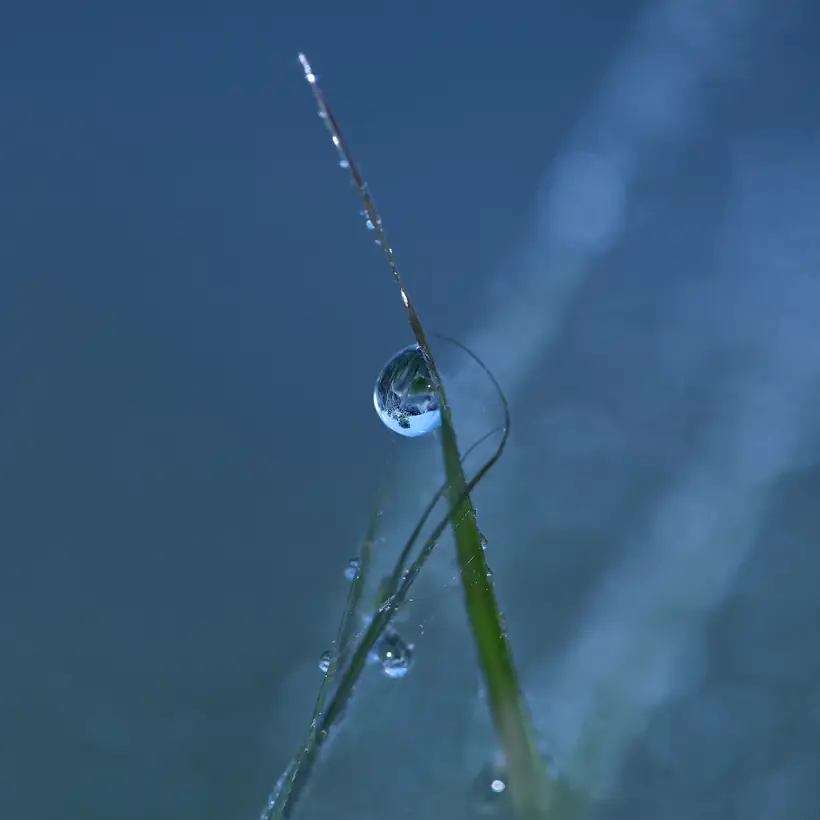
Macro: dew drop on grass blade at sunrise, shallow depth of field, cool blur in background.
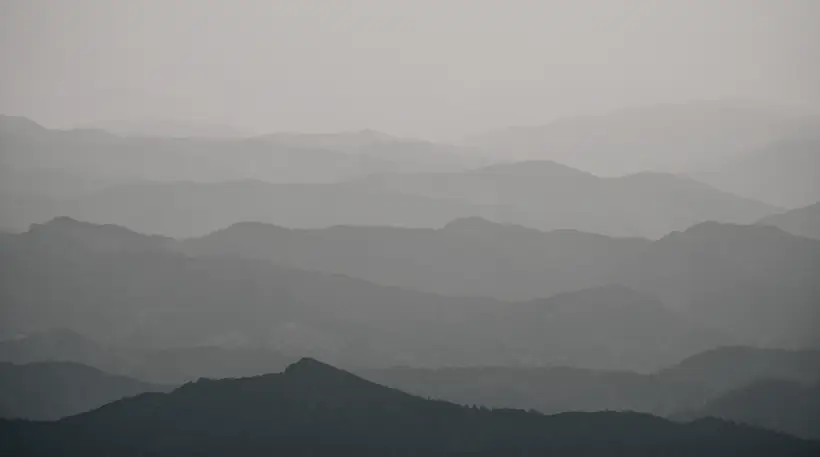
Tatra Mountains in autumn fog: layers of ridges fading into gray, muted palette.
A landscape with fog layers is a classic test of whether the model understands depth. The ridges fade gradually, not abruptly - exactly how atmospheric perspective works.
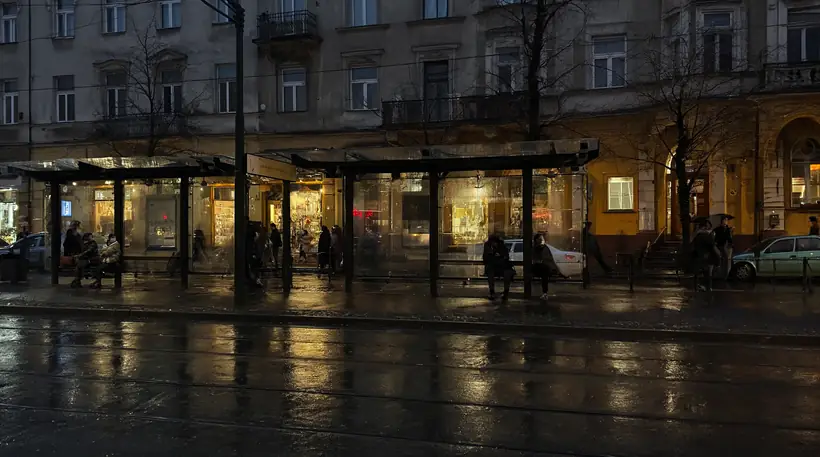
Rainy tram stop at dusk: reflections on wet asphalt, warm storefronts, documentary character.
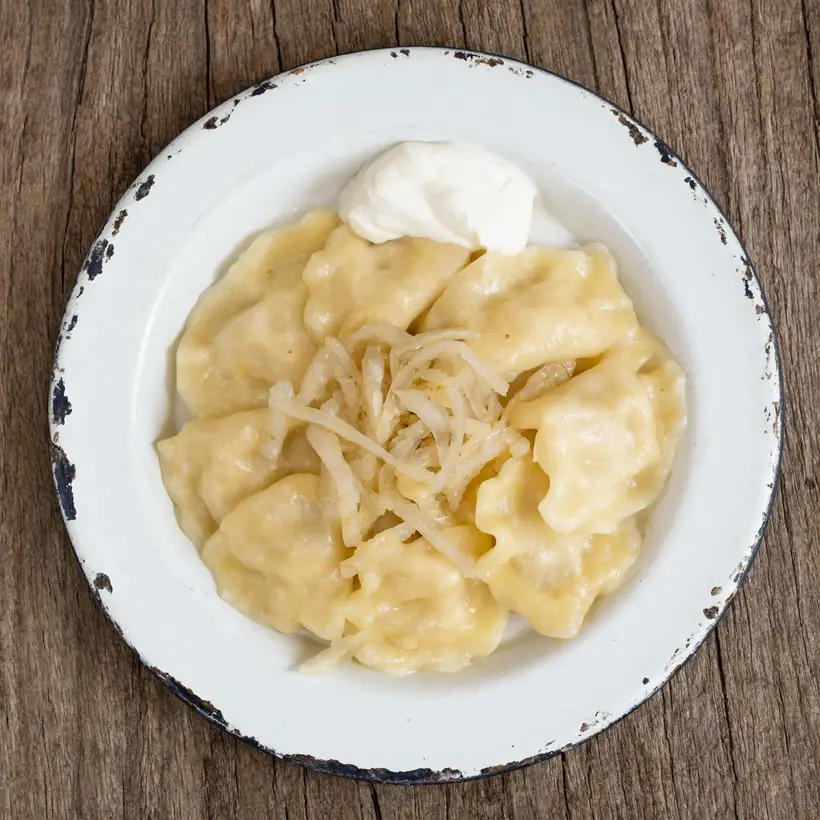
Dumplings on a chipped enamel plate, with onion and a dollop of sour cream, wooden tabletop, soft daylight.
Food passes a test that breaks many models: the dumplings look hand-formed, not stamped from a mold - each has a different shape and different edge crimping.
Graphics: Correct but Without Character

Flat vector illustration: fox reading a book, three colors, thick outlines. Correct but without individual character.
The vector illustration is clean, holds the palette and has even outlines. And that’s its biggest problem: it looks like stock illustration that no one will remember. The model reproduces the convention but brings nothing of its own to it.
The same observation applies to the 3D render - technically flawless, visually seen a thousand times.
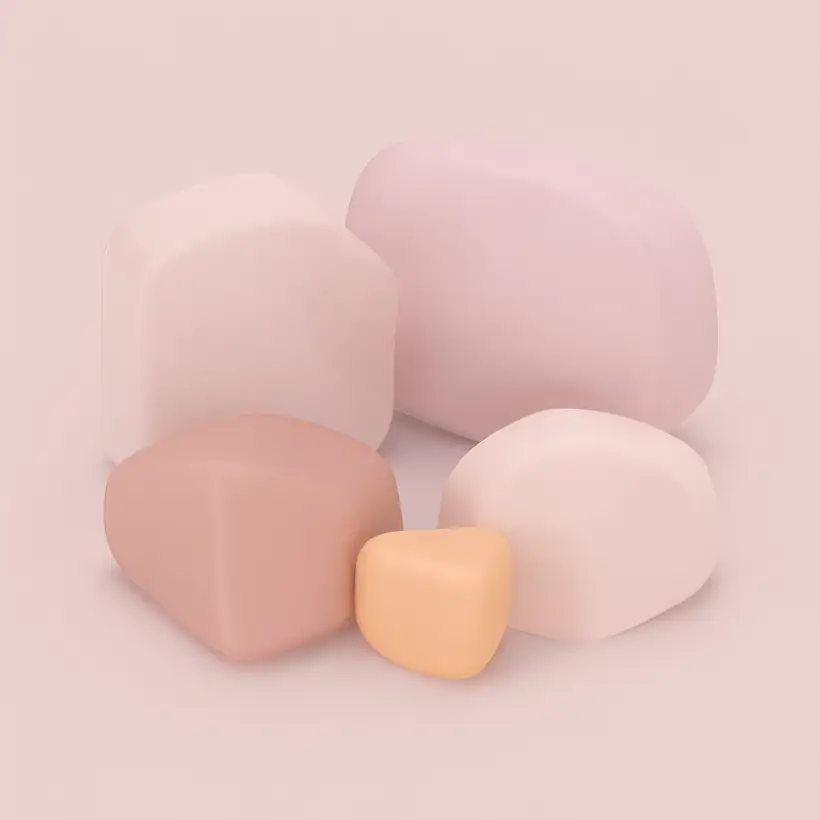
3D render: soft rounded forms in pastel clay, subtle shading, pink background.
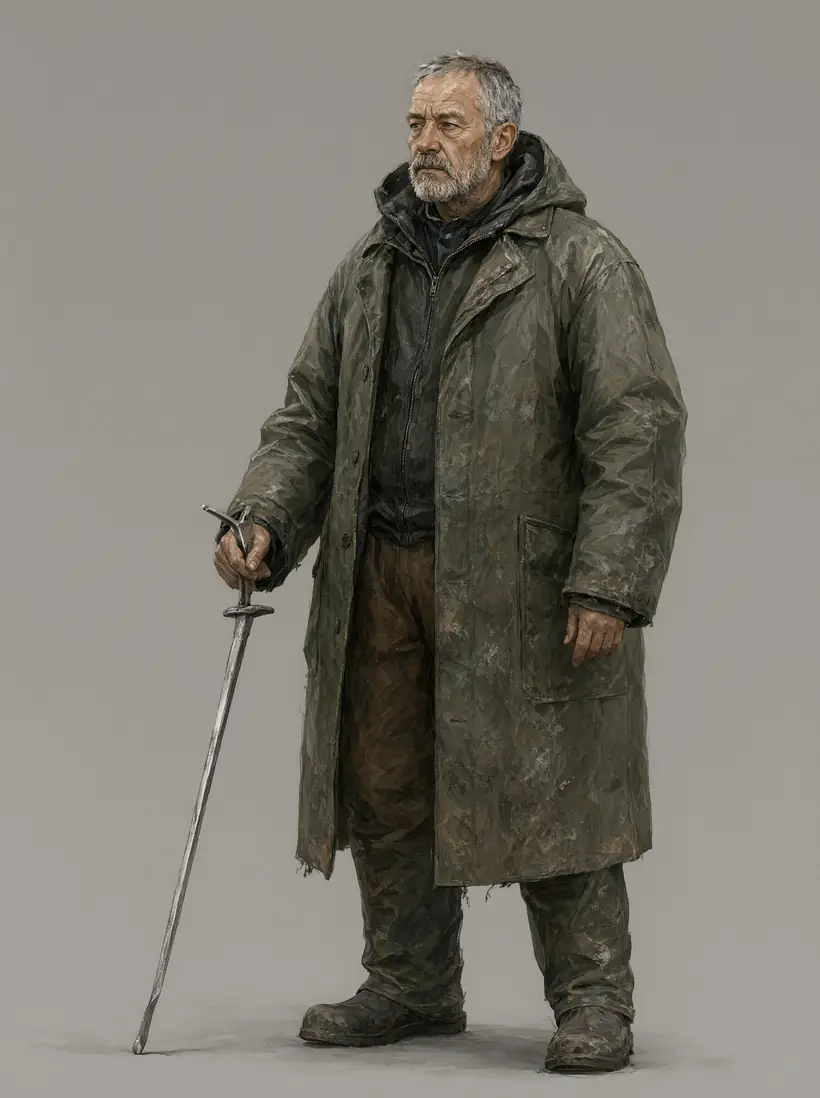
Character design: elderly fisherman in storm jacket, painterly digital illustration, neutral background.
Character design came out better than flat illustration - the painterly approach gives the model more room for detail, and detail is what it’s good at.
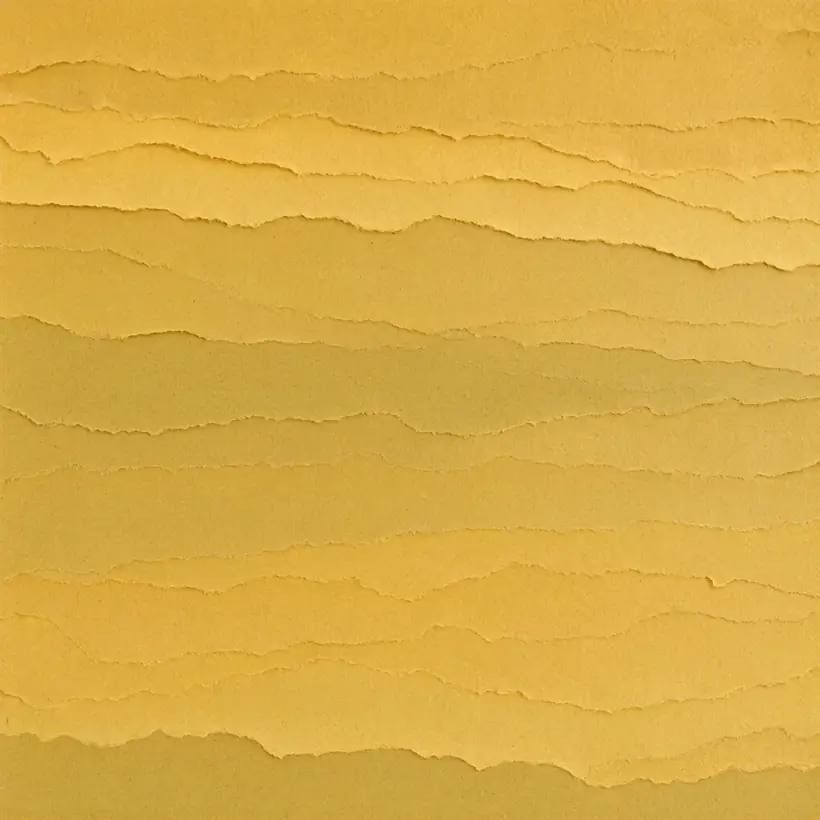
Torn layers of handmade paper in ochre and olive, top-down view, fills the frame.
Textures are an application that’s easy to overlook but very practical: backgrounds, header underlays, fills. Here the model is unbeatable compared to stock photo banks, because it generates exactly the palette you need.
Where the Boundary Lies
| Application | Rating | Note |
|---|---|---|
| Product photography | very good | Material and shadow correct |
| Architecture and interiors | very good | Light consistent with geometry |
| Macro and landscape | very good | Correct depth and blur |
| Textures and backgrounds | very good | Custom palette |
| Street photography | good | Mood yes, background details weaker |
| Character design | good | Painterly better than flat |
| Vector illustration | average | Correct but generic |
| 3D render | average | Same as above |
| Small text in graphics | weak | Described separately |
Three Practical Takeaways
- For photography - yes, for visual identity - no. The model will replace stock photo banks, it won’t replace a designer creating a logo.
- The more physics in the scene, the better. Light, material, depth and texture are its strong points. Abstraction and simplification - weaker.
- Test your own use case, not someone else’s. Ten frames is fifteen minutes and a fraction of a cent in electricity. That’s cheaper than reading about how it worked out for someone else.
How to set this up yourself is described in our step-by-step guide, and what it really costs - in a separate breakdown. We’ve collected everything in a complete guide.
Frequently Asked Questions
What is Qwen-Image-2.1 best at?
Product photography, architecture, macro and textures - everywhere light and material matter.
Is it suitable for illustration?
For painterly and concept art yes. Flat vector illustration comes out correct but generic.
Will it replace stock photo banks?
For generic photos, backgrounds and textures - in our test, yes. For logos and brand identity - no.
How long does one frame take?
From 40 to 80 seconds on RTX 4090 in int8 variant, depending on resolution and card load.
How much does such a series cost?
Ten frames is about 0.02 USD in electricity. We break down the calculation in a separate article.
Sources and Date Verified
We generated all ten frames ourselves on September 22, 2026 locally on RTX 4090, using Qwen-Image-2.1 in int8 variant through ComfyUI: 25 steps, euler, cfg 1.0, one seed for the entire series, one attempt per subject, without retouching and without choosing the best from multiple tries. The ratings in the table are ours and subjective - this is the result of one run, not a measurement. The score of 60.28 points comes from the ranking published by the producer.

More on this from QUANTSLANT

 benchmarks·Qwen-Image-2.1 Fashion Photography: Twelve Styles Tested35mm film, medium format, Polaroid, 90s flash, high key and low key. One base prompt, only the technique changed - and twelve different photographs.