Cartoon Style Photo: 6 AI Prompts for Different Animation Looks
One photo transformed into six different cartoon and comic styles. Complete prompts, examples, and how to preserve facial features while changing line work and color.
👁 120 reads
“Turn a photo into a cartoon” is just the start of the brief. It can mean clean comic lines, painted backgrounds, flat graphics, or a clay figure. I’ve prepared six interpretations of the same scene to show how much the description of line work and material matters.
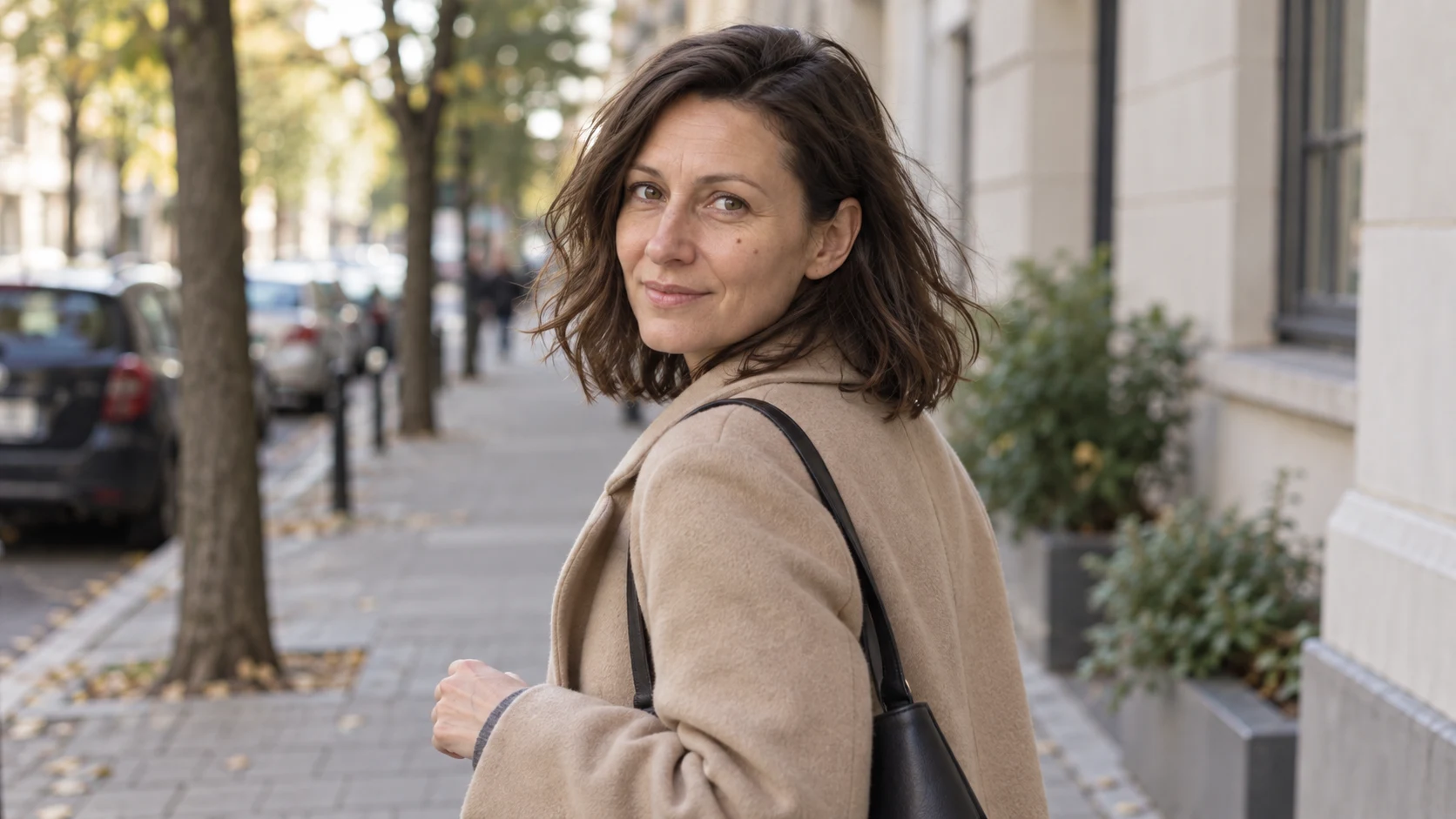
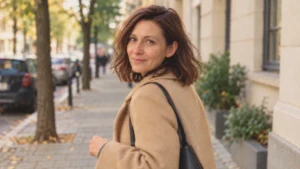
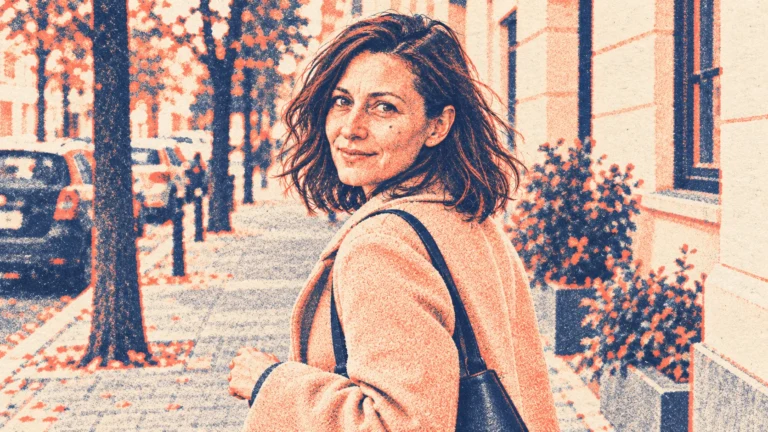
In each example, the starting point is the same fictional woman turning her head on a street. I keep the pose, clothing, and layout of the surroundings. I change the visual language, not the progression of the scene. The results are single illustrations inspired by animation, not films.
Four Components of Style
First I define the outline: thin, even, thick, or irregular. Then the shading method: flat patches, painted transitions, halftone, or light on a three-dimensional figure. Only at the end do I choose the palette and degree of facial simplification.
I don’t need a specific creator’s name to describe these features. Such a prompt is easier to modify later: I can keep the composition and just swap the line work method or limit the number of colors.
Source Material
1. Clean Line Comic
Attachments for this prompt, in order: street scene.
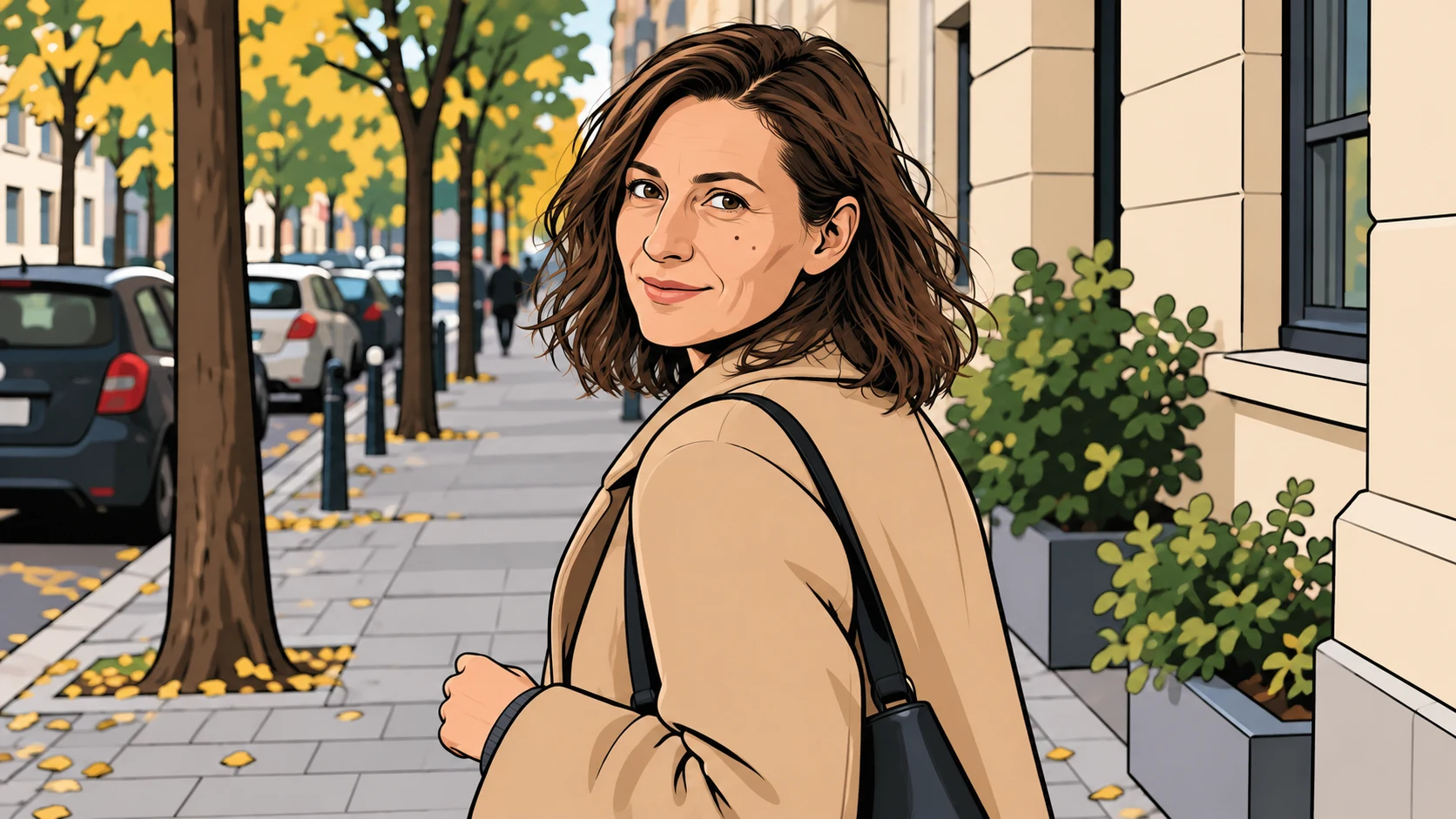
Outlines separate the figure from the background, and limited shading organizes the face. The scene remains easy to connect with the reference.
Prompt to copy:
Transform the attached photograph into a single 16:9 drawing. Preserve recognizable facial features, age around 40, brown hair, beige coat, black bag, over-the-shoulder turn, and street layout. No aging down to a child, no text, no frames, and no copying characters from existing films. Comic book style with even black outline, flat color, and very minimal shadow. Lines clear, street details simplified but logical, face adult and natural.
2. Hand-Painted Cel Animation
Attachments for this prompt, in order: street scene.
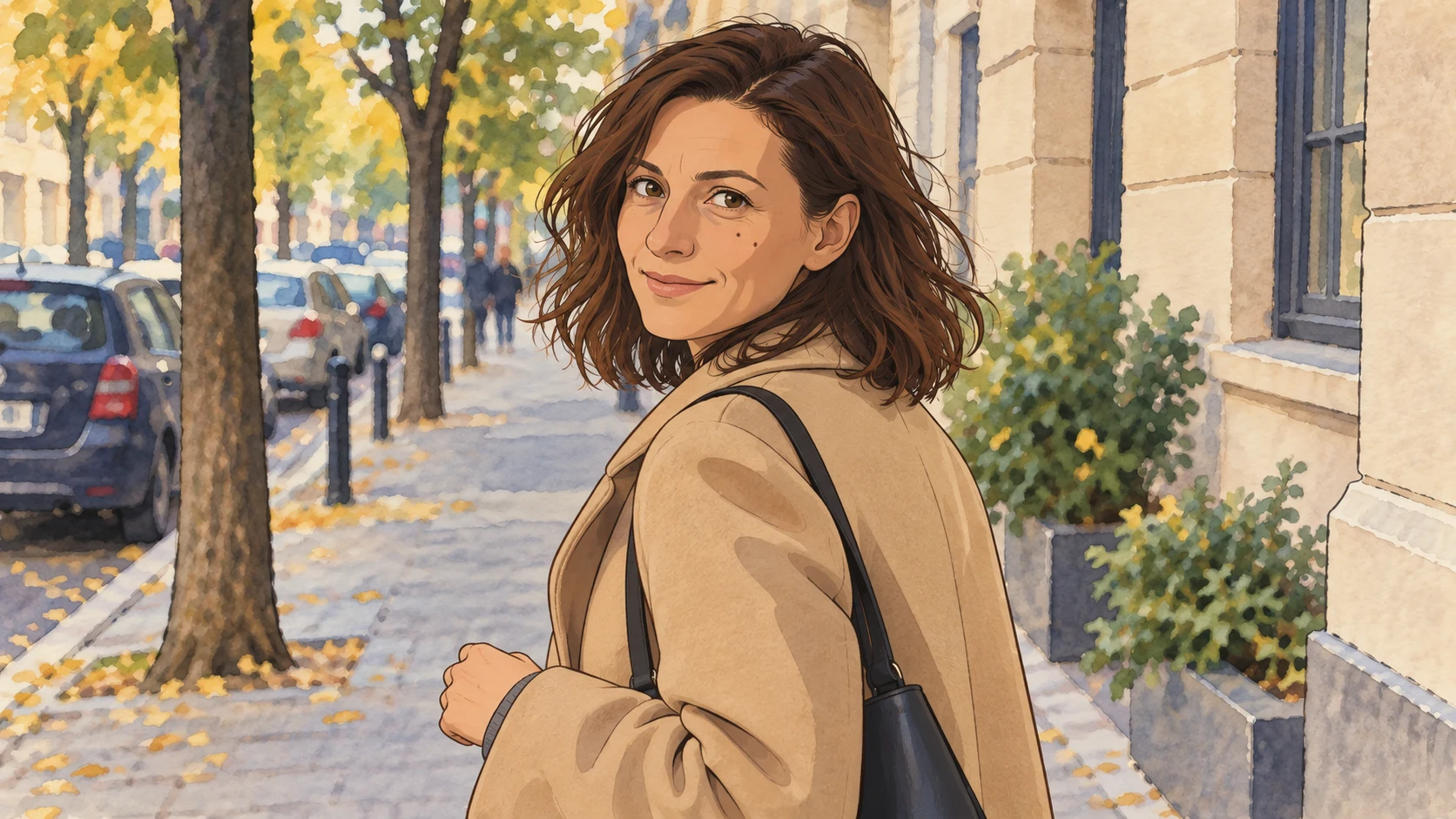
The figure has a more pronounced outline, and the background resembles painted patches. This is a clear separation of planes, though the texture also covers part of the clothing.
Prompt to copy:
Transform the attached photograph into a single 16:9 drawing. Preserve recognizable facial features, age around 40, brown hair, beige coat, black bag, over-the-shoulder turn, and street layout. No aging down to a child, no text, no frames, and no copying characters from existing films. Hand-drawn 2D animation aesthetic from the 90s: precise outline with variable thickness, two levels of shadow on the figure, painted watercolor background, natural expression. No exaggeratedly large eyes.
3. Flat Graphic Animation
Attachments for this prompt, in order: street scene.
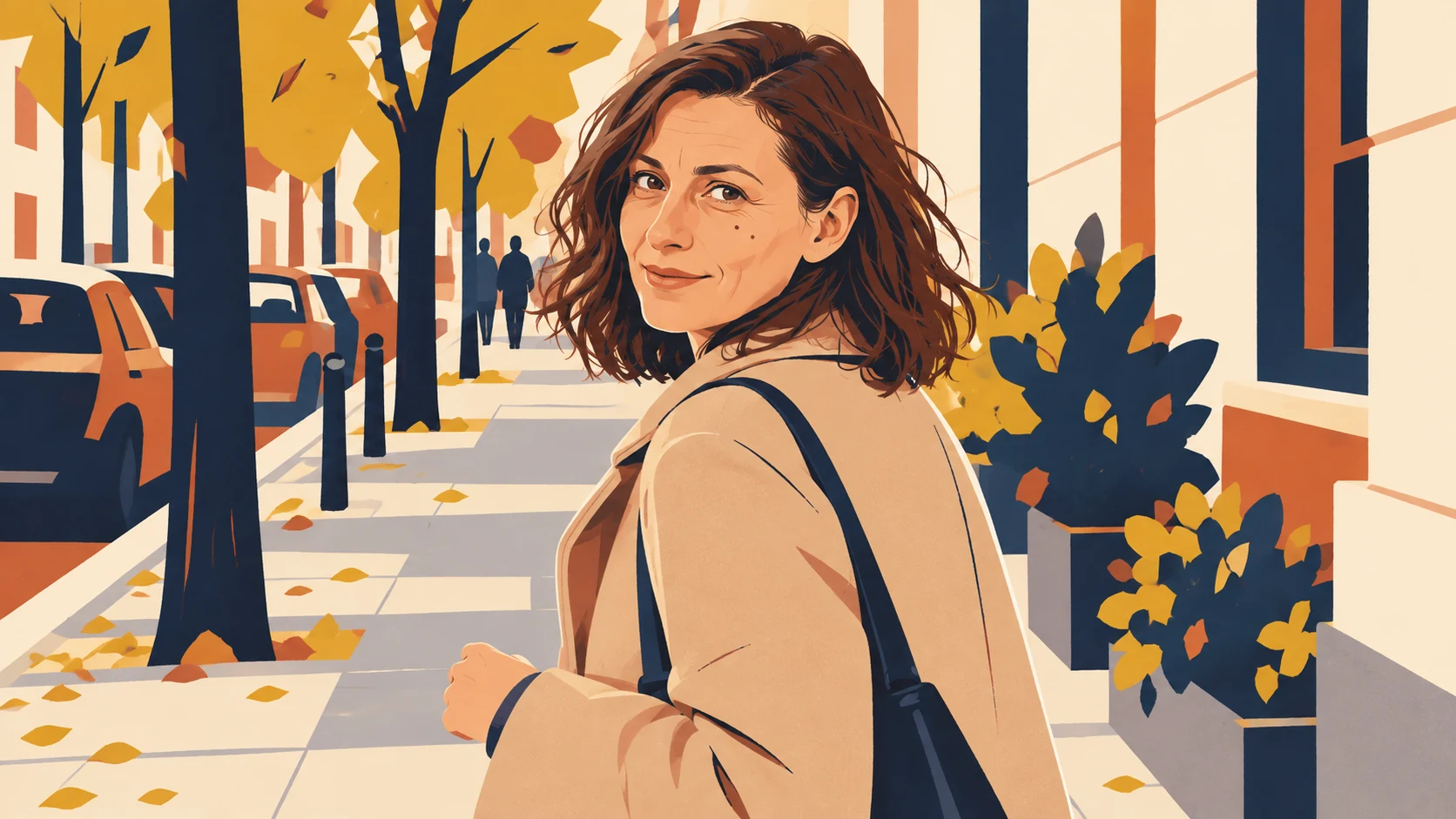
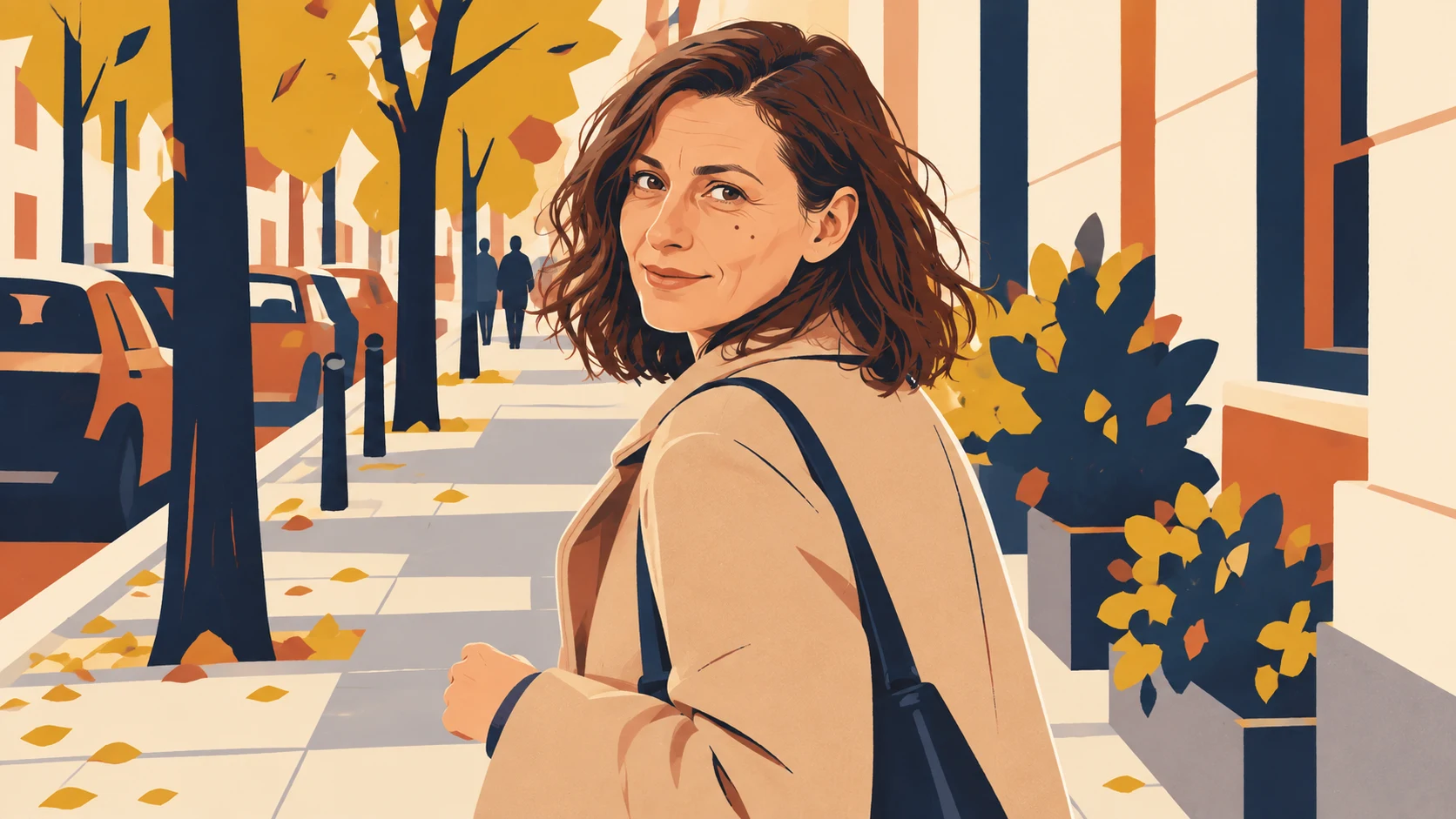
The background changes most dramatically: trees and architecture become large forms. The face retains more detail than the surroundings.
Prompt to copy:
Transform the attached photograph into a single 16:9 drawing. Preserve recognizable facial features, age around 40, brown hair, beige coat, black bag, over-the-shoulder turn, and street layout. No aging down to a child, no text, no frames, and no copying characters from existing films. Simplified independent graphic animation: asymmetric geometric shapes, thin irregular outline, limited palette of mustard navy terracotta cream. Adult silhouette, large flat fields, no spatial gloss.
4. Rubber Hose Animation
Attachments for this prompt, in order: street scene.
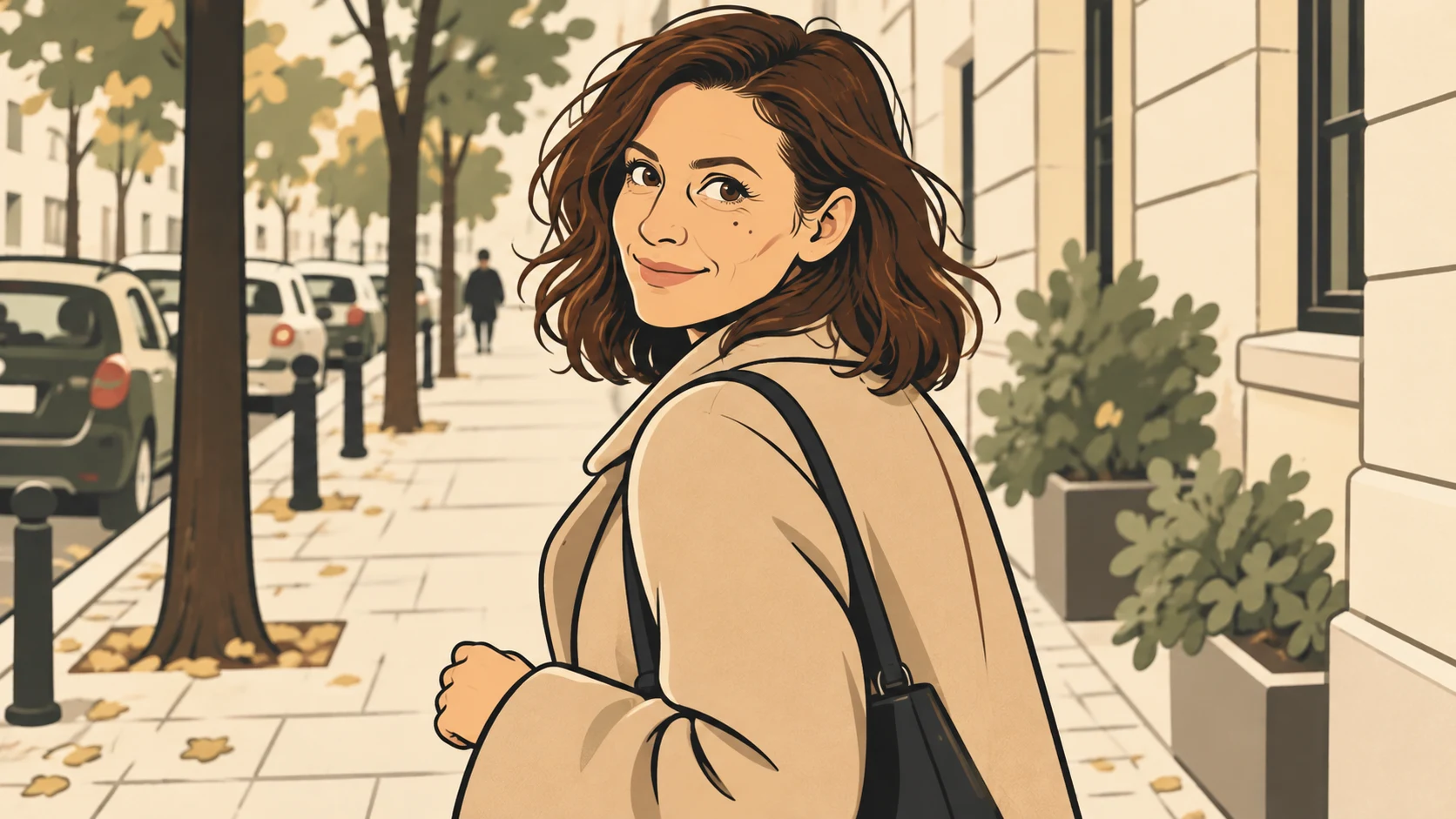
This attempt went toward a gentle retro cartoon. The rubber hose limb effect is weak, and the eyes and features are more simplified than in the reference. This is an example of partial realization of the brief.
Prompt to copy:
Transform the attached photograph into a single 16:9 drawing. Preserve recognizable facial features, age around 40, brown hair, beige coat, black bag, over-the-shoulder turn, and street layout. No aging down to a child, no text, no frames, and no copying characters from existing films. Independent cartoon inspired by rubber hose technique: soft elastic outlines and gestures, expressive but adult face, simple black lines, cream background and two muted colors. Keep coat, bag, and pose layout, no gloves from known characters.
5. Ink and Halftone Comic
Attachments for this prompt, in order: street scene.
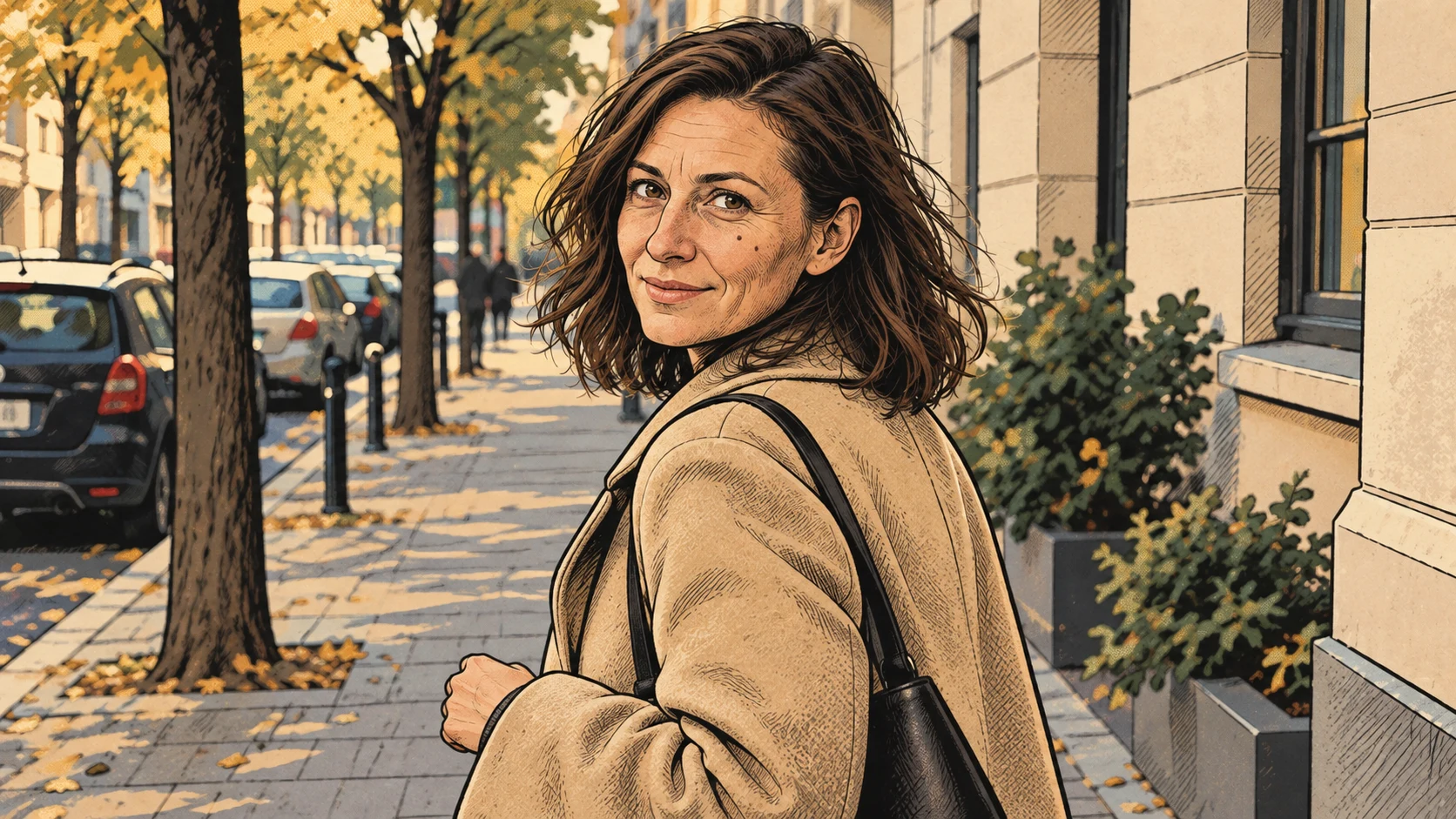
Hatching models the face and coat, and halftone gives the scene a print character. Features remain recognizable, though the texture is stronger than in the clean line variant.
Prompt to copy:
Transform the attached photograph into a single 16:9 drawing. Preserve recognizable facial features, age around 40, brown hair, beige coat, black bag, over-the-shoulder turn, and street layout. No aging down to a child, no text, no frames, and no copying characters from existing films. Comic book drawing: dynamic ink, hatching in shadows, minimal printed halftone, muted warm palette. Face with natural age texture, street simplified, no speech bubbles or text.
6. Clay Animation
Attachments for this prompt, in order: street scene.
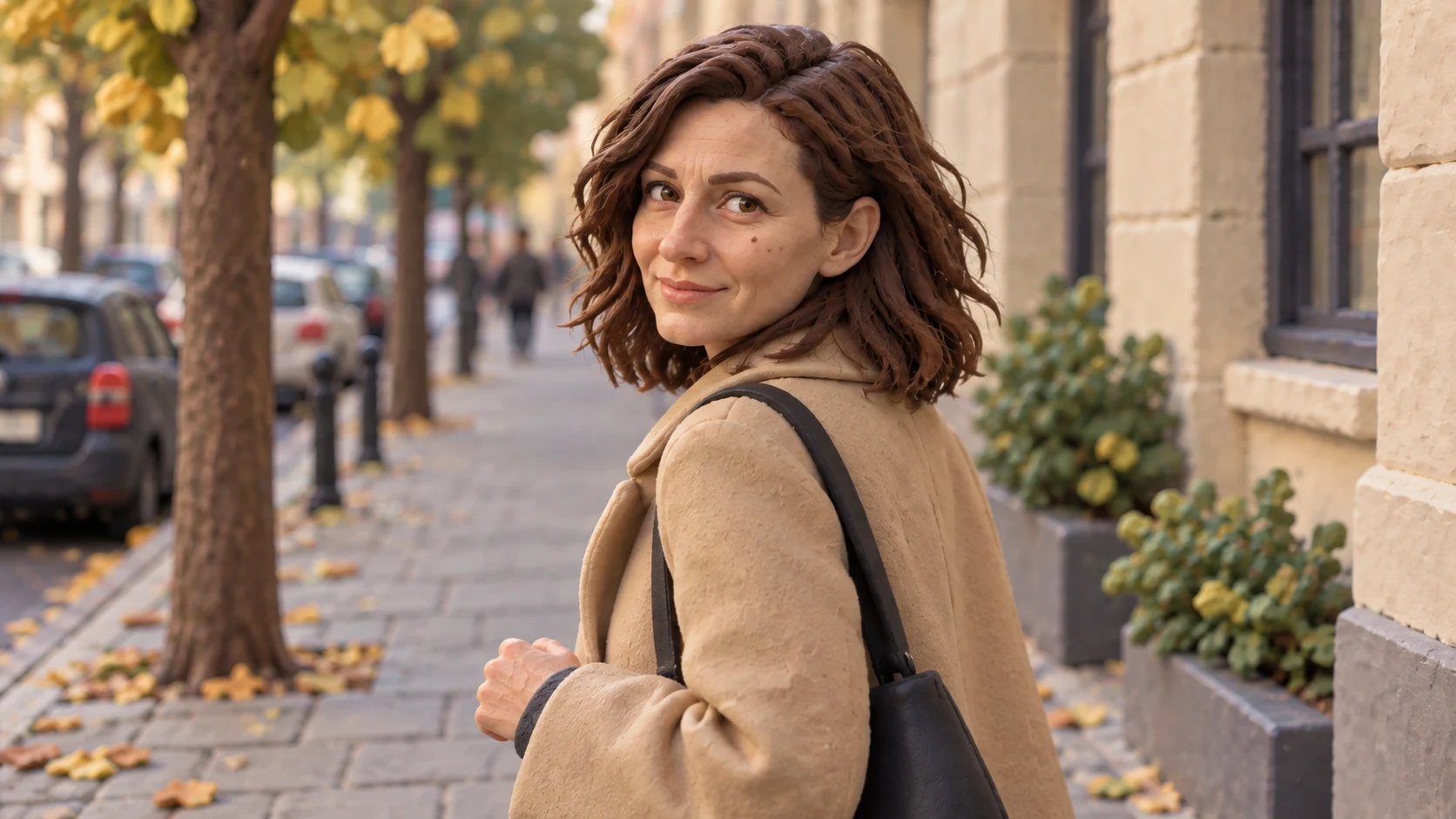
Hair and coat resemble formed mass. The material is readable, though the image still maintains fairly realistic proportions of the person.
Prompt to copy:
Transform the attached photograph into a single 16:9 drawing. Preserve recognizable facial features, age around 40, brown hair, beige coat, black bag, over-the-shoulder turn, and street layout. No aging down to a child, no text, no frames, and no copying characters from existing films. Appearance of a frame from independent stop-motion animation: figure and street made of matte clay, visible small modeling marks, soft miniature lighting, calm colors. Adult face recognizable, no rubbery shiny skin.
Likeness and Stylization Don’t Always Go Together
The greater the simplification, the fewer features remain to recognize the person. Enlarged eyes and smoothed face can make a portrait younger, even when hairstyle and clothing match. That’s why I compare nose line, mouth shape, and facial proportions, not just hair color.
In more sculptural interpretations, I also check the surroundings. If the figure looks like a figurine but the cars still look like a photograph, the whole scene can seem like a random montage. Style should cover both planes.
Google · Your sourcesQuantslant higher in your Google - one clickAdd to preferred sources →Which Style I’d Start With
Clean line gives a good reference point because it makes recognizability easy to assess. Flat graphics are useful when strong palette and readability at small size matter. I’d choose the clay variant for work on texture and spatial figure.
When the model exaggerates eyes or makes the face younger, I ask for correction of those features while keeping the line work. I don’t immediately add another style. First I want a consistent interpretation of one direction, only then its more daring version.
See also: The same photo, 6 cameras: prompts for photographic AI stylizations.
More on this from QUANTSLANT
 guides·One Photo, 5 Print Styles: Linocut, Riso & More with AILinocut, risograph, screen print, cyanotype and watercolor. We show 5 AI stylizations of one photo, with prompts and differences in line and texture.